60-Minute Dispatch · 24/7
Water Damage Restoration in Fontana, CA
Expansive Lytle and Day Creek clay-loam soils in south Fontana shift slabs and stress buried lines under Kaiser Steel-era 1950s–80s homes.
- Documented dry standard
- Bonded & insured
- 24/7 emergency response
Fontana spans a wider range than almost any city we serve — from Kaiser Steel-era post-war tracts down near the 10 to brand-new construction in the northwest foothills, with everything in between.
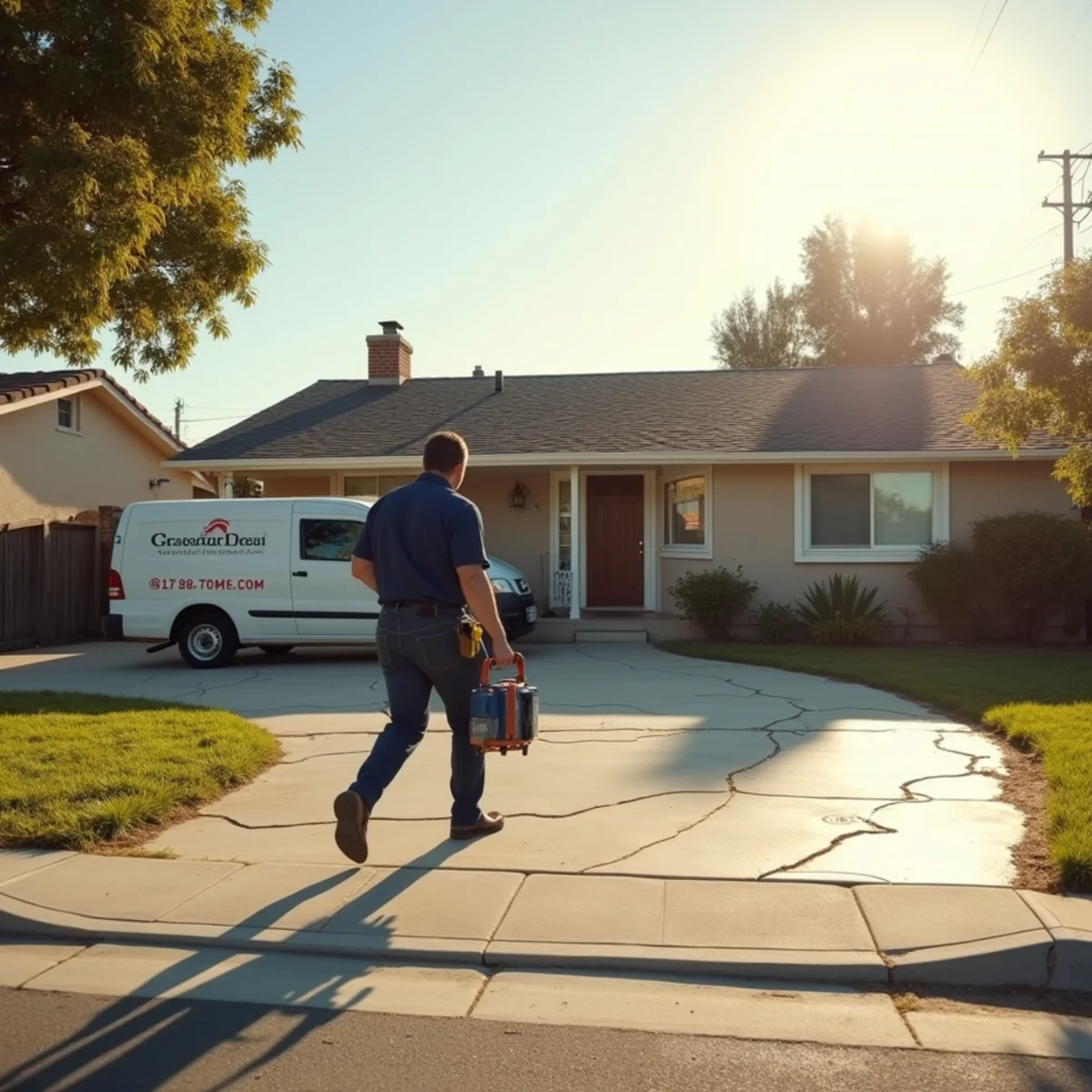
We're 15 to 25 minutes out depending on which Fontana you're in, and the two ends of the city produce genuinely different jobs.
Local risk profile
Why homes in Fontana take water damage the way they do
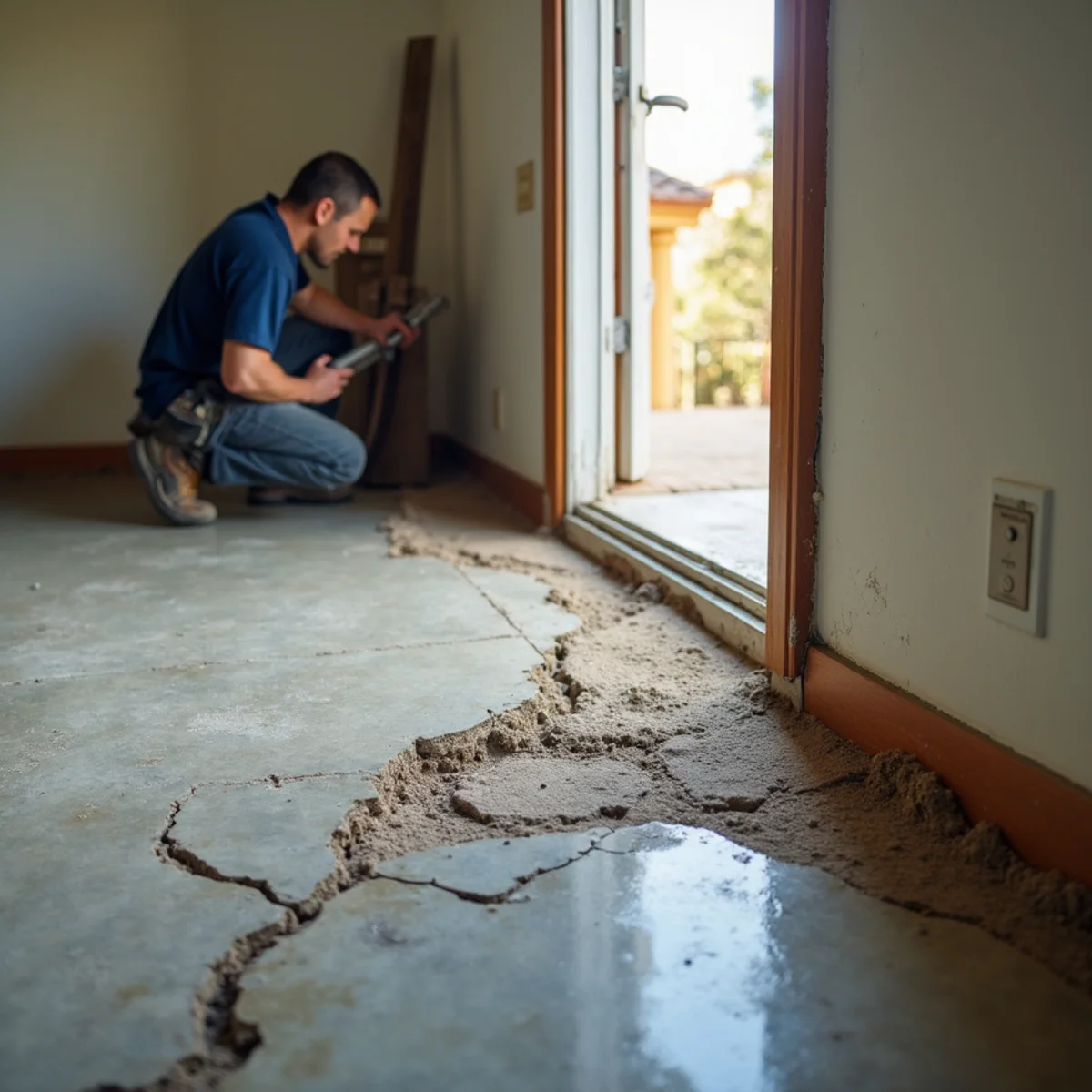
The south end sits on expansive clay-loam soils in the Lytle Creek and Day Creek floodplain deposits. Expansive soil swells when it takes on water and shrinks when it dries, and that cycle moves whatever is sitting on it. In practice that means slab cracking, differential settlement, doors that stop closing in one season, and — most relevant to us — stress on the water and drain lines running through and under the concrete.
It also creates a feedback loop worth understanding. A slab leak wets the soil, the soil swells, the slab moves, and the movement stresses the line further. By the time it's found, the damage often isn't limited to the water.
North Fontana is a different city. The tracts climbing toward the foothills — Hunter's Ridge, Summit Heights, Sierra Lakes, California Landings, Shady Trails — went up mostly from the late 1990s through the 2010s. That stock is young enough that pipe failures are rare, but it sits closest to the Cajon Pass, which funnels the strongest Santa Ana winds in the region. Roof and flashing damage from October through March, followed by water entry when the winter rain arrives, is the dominant north-Fontana loss.
The middle band, the enormous 1950s–80s expansion, is squarely in repipe and water-heater-replacement territory.
On the ground
What our Fontana jobs actually look like
We keep separate pages for the north Fontana communities because they behave nothing like the south end: Hunter's Ridge, Summit Heights, Sierra Lakes, California Landings and Shady Trails.
A representative south-Fontana job: a 1960s single-story near Sierra Avenue with a hot-side slab leak that had been running long enough to soften the soil under one corner of the house. The homeowner had noticed a warm patch in the hallway and a door that had started sticking, and hadn't connected the two. We located it acoustically, coordinated an overhead reroute rather than opening the slab, dried the concrete and wall bases, and remediated the growth under the carpet pad.
That combination — a slab leak plus soil movement plus growth under flooring — is the Fontana signature, and it's the reason we treat a warm floor spot here more urgently than we would in a newer neighborhood.
We work around
- Auto Club Speedway
- Sierra Lakes Golf Club
- Fontana Park
- Lytle Creek wash
- Etiwanda Avenue corridor
Why Fontana
Why Fontana residents call us
We treat a warm floor spot in south Fontana more urgently than elsewhere. The expansive Lytle and Day Creek clay-loam soils swell when they take on water, and a slab leak wets that soil until the slab itself starts moving. A sticking door and a warm patch in the hallway are usually the same problem, and homeowners rarely connect them.
North and south Fontana get different crews' attention. Up by the Cajon Pass it's roofing and storm work; down toward the 10 it's slab leaks and repipe-age copper in Kaiser-era housing. Knowing which we're driving to changes what's on the truck.
We recommend rerouting more often here. On ground that moves, opening the slab to patch one pinhole tends to buy a short reprieve. Running the line overhead leaves the concrete alone and takes that pipe out of the soil permanently.
We say when it isn't ours. If the movement is structural rather than water, that's a foundation contractor or a soils engineer, and we'll tell you so instead of drying around the real problem.
What we do here
Services we run most in Fontana
Chosen from what this area's housing and geography actually produce — not a generic list.
Slab Leak Damage
The most common serious leak in Rancho Cucamonga's 1980s–90s tract homes. Detection, drying and full restoration.
Learn moreLeak Detection
Thermal imaging, acoustic listening and moisture meters find the leak before we open anything up.
Learn moreStorm Damage Cleanup
Emergency tarping, water extraction and full interior restoration after Santa Ana winds and winter atmospheric rivers.
Learn moreRoof Leak Damage
Wind lifts the tile in October, the December storm finds the gap. We tarp, strip wet insulation and dry the structure.
Learn moreMold Remediation
Containment, HEPA filtration, source removal and moisture correction — remediation that fixes the cause, not just the stain.
Learn more
- Documented dry standard
- Bonded & insured
- 24/7 emergency response
FAQ
Water damage questions from Fontana
Why do slab leaks seem worse in south Fontana?
The soil. Much of south Fontana sits on expansive clay-loam floodplain deposits that swell when wet and shrink when dry. A leak under the slab wets that soil, the soil moves, and the movement stresses the slab and the lines running through it. So a slab leak here often comes with a structural symptom — a sticking door, a new crack — that you wouldn't see on sandier ground.
We're in north Fontana near the pass and the wind is brutal. What should we watch for?
Roofing, specifically. Santa Ana gusts through the Cajon Pass don't have to remove tile to cause a leak — lifting it is enough. A tile that reseats slightly proud, a bent piece of ridge flashing or a cracked vent boot won't leak in October because it doesn't rain in October. It leaks in December. After a big wind event it's worth having the roof looked at before the first storm rather than after.
How long does it take you to reach Fontana?
15 to 25 minutes for most addresses, depending on where in the city you are. North Fontana off the 210 is quicker for us than the south end near the 10. We'll give you a real arrival estimate when you call rather than a window.
Why do slab leaks seem worse in south Fontana?
The soil. Much of south Fontana sits on expansive clay-loam floodplain deposits that swell when wet and shrink when dry. A leak under the slab saturates that soil, the soil lifts, and the movement stresses the slab and the lines running through it. So a slab leak here often arrives with a structural symptom — a door that has started sticking, a new crack — that you wouldn't see on sandier ground.
We're in north Fontana near the pass. What should we watch?
Your roof, specifically after Santa Ana events. This is the highest wind exposure in the region because the Cajon Pass funnels straight onto it. Gusts don't need to remove tile to cause a leak — lifting it is enough, and a tile that reseats slightly proud won't leak in October because it doesn't rain in October. It leaks in December. Get the roof looked at in November, not after the first storm.
Further reading
Useful for Fontana homeowners
Local Risk & Rancho Cucamonga
South Fontana's Expansive Clay Soils: Why Slabs Crack, Walls Shift, and Pipes Shear
A slab leak wets the soil, the soil swells, the slab moves, the movement stresses the pipe. Here's how to break the loop.
5 min read
Emergency Guides
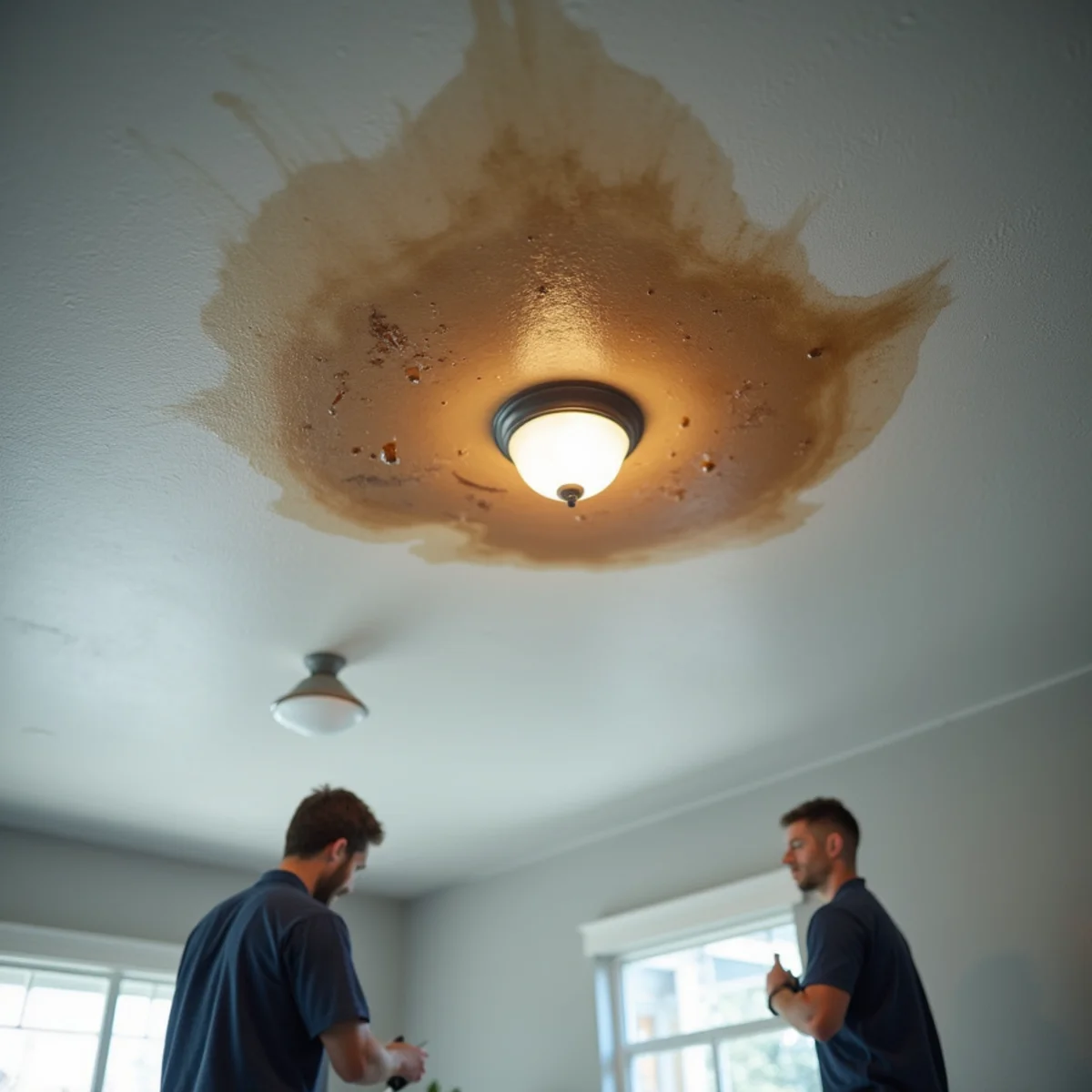
Ceiling Leaking During a Storm? What to Do in the Next 30 Minutes
Clear the room, kill the circuit, catch what you can — and why the leak is almost never directly above the stain.
5 min read
Nearby
Other areas we serve close to here
Same crews, same response, same documentation.
Get in touch
Serving Fontana, CA from our Rancho Cucamonga base
RC Water Pros
Water Damage Restoration · Rancho Cucamonga, CA
- 11190 White Birch Dr
Rancho Cucamonga, CA 91730 - +1 (201) 277-9344
- Emergency response 24 hours a day, 7 days a week
Office & estimates: Mon–Sat, 7:00 AM – 7:00 PM
Water damage in Fontana? We're already close.
Fontana is east along the 210 and Baseline — 15 to 25 minutes depending on whether you're in north Fontana or down toward the 10. Free assessment, 24/7 dispatch, and we handle your insurance documentation.
- Documented dry standard
- Bonded & insured
- 24/7 emergency response