
Free Written Estimate
Flood Cleanup Services in Rancho Cucamonga, CA
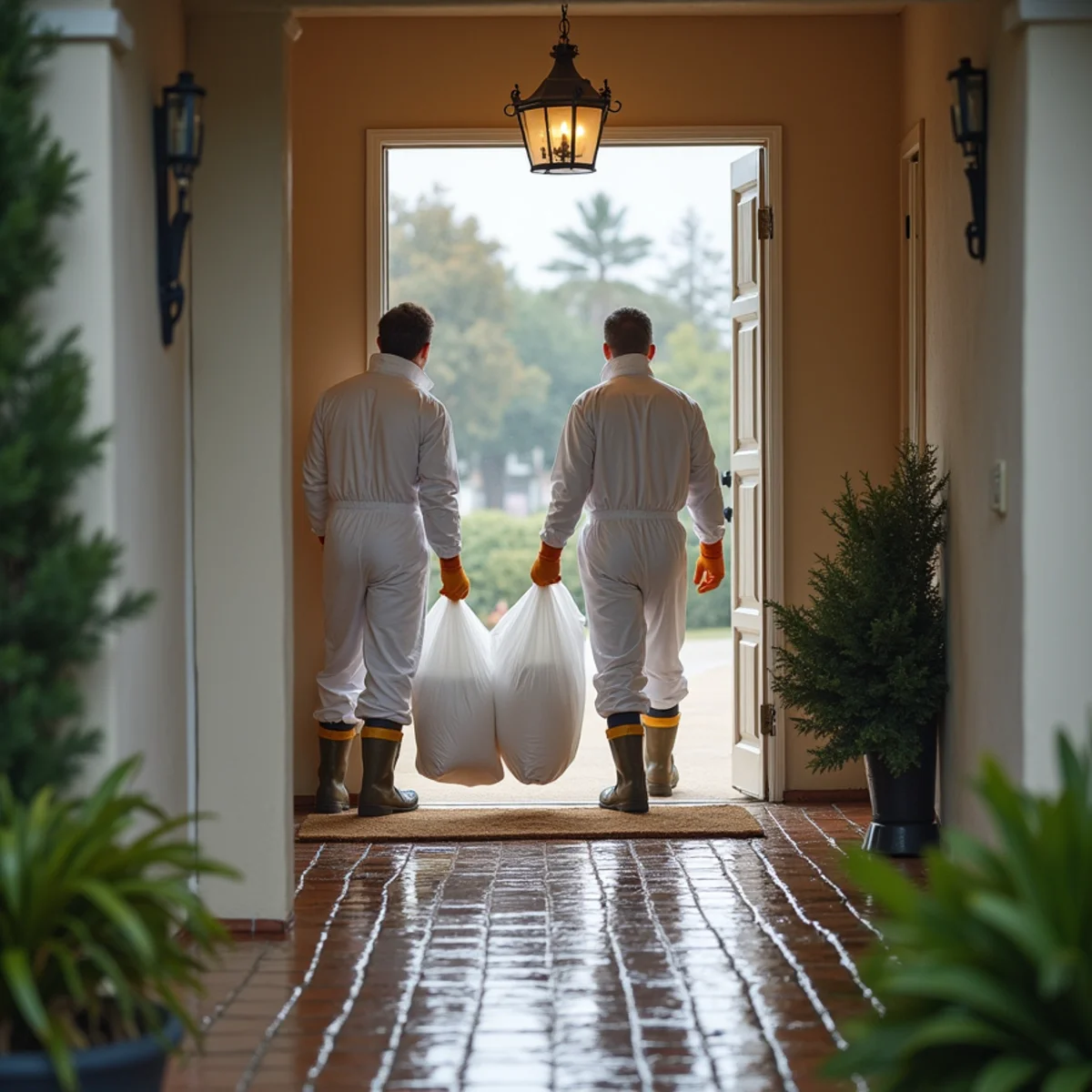
Storm and runoff flooding brings contaminated water. We pump, strip, sanitize and dry — then document it for your carrier.
- Documented dry standard
- Bonded & insured
- 24/7 emergency response
Floodwater is not the same as a burst pipe. Water that came in across the ground picks up everything it crossed on the way — fertilizer, animal waste, sewer overflow, road runoff — which means the cleanup is a decontamination job, not just a dry-out.
We handle flood losses across Rancho Cucamonga and the foothill communities, 24 hours a day. Call +1 (201) 277-9344.
Water actively spreading? Call now — every hour widens the damage and the bill.
+1 (201) 277-9344Do you need this service?
What flood cleanup deals with
Rancho Cucamonga floods from above and from the ground, and the two need different responses.
Runoff that came in under a door or garage
The classic Inland Empire event. Hardpan soil sheds a heavy winter downpour instead of absorbing it, and the water finds the lowest opening in your house.
Water that pushed up through a floor drain
That is the storm system backing up into your home. Treat it as contaminated — see [sewage cleanup](/sewage-cleanup/) if it smells or carries solids.
A flooded garage after a debris-basin overflow
Foothill neighborhoods near Day Creek and Deer Creek can take fast-moving water carrying silt and grit that has to be removed before drying starts.
Standing water in a crawl space after a storm
Often invisible from inside the house, and it will keep the floor above damp and smelling for months if it isn't pumped and treated.
Mud and silt lines on walls and belongings
Anything below the water line has been contaminated, not just wetted. Cleaning sequence matters more than speed here.
Why floodwater is treated as contaminated by default
Under the IICRC's framework, water that has crossed the ground is Category 3 — grossly contaminated. That classification is not about how it looks. Clear-looking runoff can carry bacteria, agricultural chemicals, hydrocarbons from roadways, and whatever came out of an overwhelmed storm drain upstream.
The practical consequences are strict:
- Everyone working in it wears full PPE.
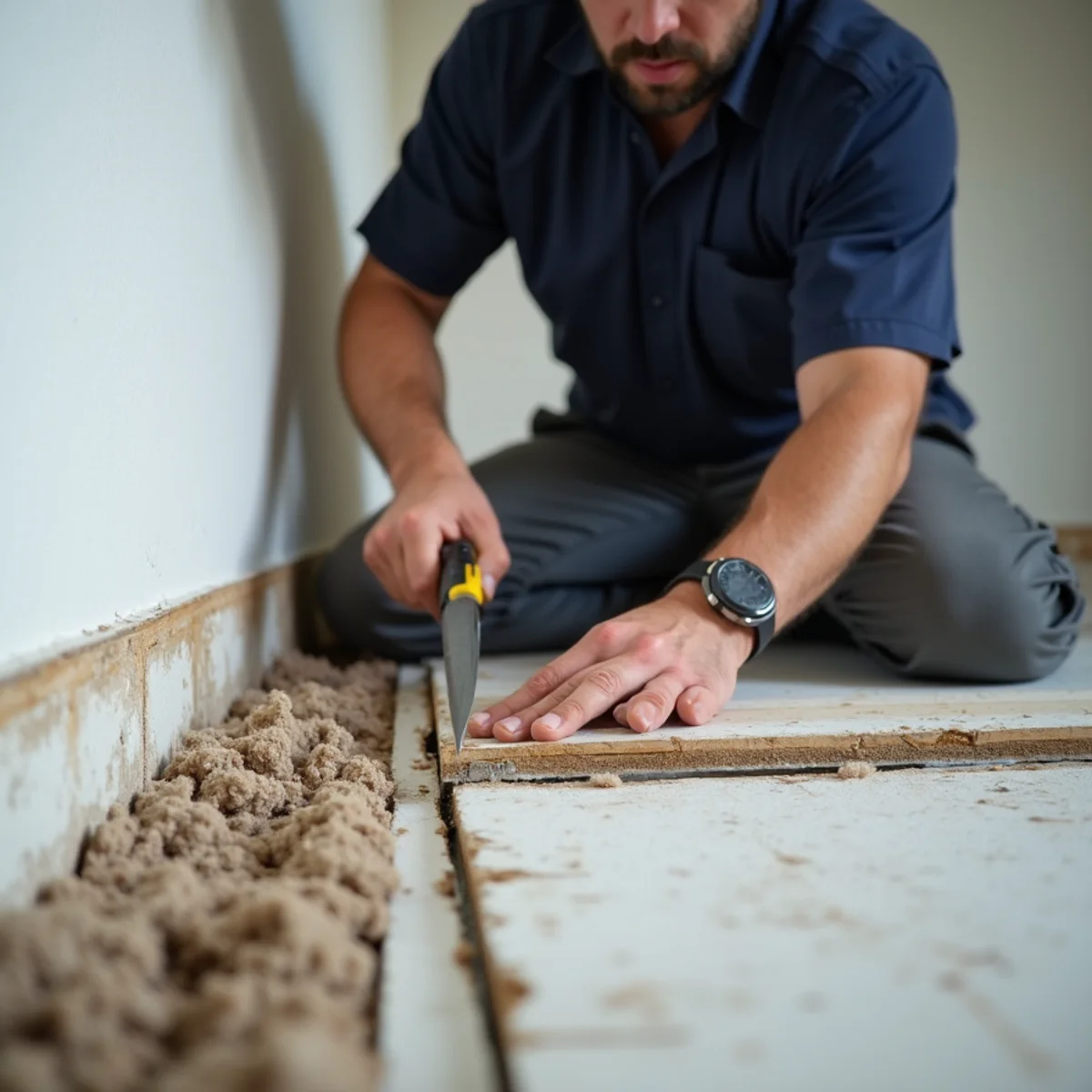
- Porous materials that were submerged come out. Carpet pad, insulation, particle board, and drywall below the water line are removed, not dried.
- Surfaces get cleaned first and disinfected second — you cannot disinfect through mud.
- The affected zone gets contained and HEPA-filtered so contamination doesn't migrate into dry parts of the house.
Homeowners are sometimes shocked by how much material leaves the house in a flood job compared with a clean-water loss of the same size. That difference is the contamination, not an upsell.
The Rancho Cucamonga flood pattern
The city sits at the base of the San Gabriels, and the county's flood control infrastructure — the Day Creek and Deer Creek debris dams, the Cucamonga Creek channel and the spreading basins — exists precisely because this alluvial fan moves a lot of water fast when it rains.
Rainfall here averages roughly 17.7 inches a year, concentrated almost entirely between November and March. It doesn't arrive gently. An atmospheric river can deliver several inches in a day onto ground that has been baked hard for eight months, and that water runs rather than soaks. Tropical Storm Hilary in August 2023 demonstrated the other version of the problem: San Bernardino County saw totals over a foot in the mountains, and the runoff reached homes that had never taken water before.
Add burn scars. After a foothill fire, the slope above loses the vegetation that used to hold rainfall, and debris-flow risk stays elevated for years. Neighborhoods against the open space — North Etiwanda, Deer Creek, Day Creek — carry that exposure in a way that a tract home south of the 10 does not.
What we actually do on a flood job
Pump and extract. Standing water comes out first, along with silt and debris. Crawl spaces and sub-areas get their own pumps.
Muck-out and controlled demolition. Contaminated porous materials are removed to a documented cut line — typically a set height above the water line — bagged, and disposed of properly. Everything is photographed before it goes.
Clean, then disinfect. Structural surfaces get physically cleaned to remove soil, then treated with an appropriate antimicrobial. Sequence matters: disinfectant applied over mud does nothing.
Contain and filter. HEPA air scrubbers and negative air machines run through the demolition and cleaning phase so airborne contamination stays inside the work zone.
Dry and verify. Once the structure is clean, structural drying begins and runs against daily readings until materials hit their dry standard.
Rebuild. Insulation, drywall, baseboard, paint and flooring go back in. On a flood job we'll also talk with you about what to do differently — flood vents, regrading, door thresholds, a sump — so the next storm is less expensive than this one.
The insurance conversation you need to have early
This is the hardest part of a flood loss and we would rather you hear it from us on day one than from an adjuster on day ten.
Standard homeowners insurance in California generally does not cover flooding from rising surface water. Burst pipes are covered. Roof leaks from wind damage are covered. Water that ran across the ground and into your home is typically excluded, and covering it requires a separate NFIP or private flood policy.
That does not mean stop documenting — it means document harder. Some losses have a covered component (a wind-damaged roof that let the storm in, a sewer backup with an endorsement), and the way the cause is established determines everything. We photograph the point of entry, the water line, and the sequence of damage, and we write the cause of loss plainly. If your claim is going to turn on whether water came through the roof or up from the yard, that evidence needs to exist before demolition starts.
Related reading: flood insurance vs. homeowners insurance and what's salvageable after a flood.
The water line is the most important measurement on the job
On a flood, one number drives most of the decisions that follow: how high the water reached. It should be recorded before anything is moved, and it is the measurement most often lost in the rush to start clearing.
It sets the demolition line. Porous materials below the water line come out — drywall, insulation, carpet and pad, particleboard cabinet bases. Standard practice is to cut above the line rather than at it, because water wicks upward through drywall and insulation well beyond the visible mark. That cut height is a scope decision worth several thousand dollars either way.
It separates what can be cleaned from what cannot. Hard, non-porous surfaces below the line can be cleaned and treated. Semi-porous materials like framing and solid wood are cleaned, treated and dried. Porous materials cannot be reliably decontaminated once floodwater is through them, whatever they look like afterwards.
It drives the claim. Depth of water is a primary variable in how flood claims are assessed, and it is also the fact most likely to be disputed later if it was never documented. A photograph of the line against something of known height — a door frame, an outlet, a tape measure — settles it permanently.
It tells you about the contents. Everything that was below the line is assessed differently from everything above it, which is why the contents inventory is built against that height rather than room by room.
Take that photograph in every affected room before the first item is carried out. It takes two minutes and it is the single most consequential record on a flood job.
Our process
How flood cleanup works, step by step
Safety and utility check
Gas, power and structural stability first. Floodwater near a panel or a submerged appliance means the circuit is isolated before anyone enters.
Pump out and extract
Standing water, silt and debris come out of living space, garages and crawl spaces.
Document before demolition
Water lines, entry point, affected contents and structure are all photographed and measured — this is what a flood claim is decided on.
Controlled muck-out
Contaminated porous materials are cut to a documented line, bagged and disposed of under containment with HEPA filtration running.
Clean and disinfect
Surfaces are physically cleaned of soil, then treated with an antimicrobial appropriate to the contamination level.
Dry, verify, rebuild
Drying equipment runs to a documented standard, then insulation, drywall, flooring and finishes are restored.
- Documented dry standard
- Bonded & insured
- 24/7 emergency response
What it costs
What moves the price on a job like this
We won't quote your property over the phone — too many variables. Here's what an honest estimate is built from.
- 1
Depth and duration of standing water
The height of the water line sets the demolition cut line, and that single measurement drives most of the material and labor cost.
- 2
Contamination level
Runoff that crossed a street or mixed with a sewer overflow requires more PPE, more containment and regulated disposal.
- 3
Silt and debris load
Mud has to be physically removed before anything can be disinfected. Heavy silt adds hours before restoration even begins.
- 4
Contents affected
Furniture, appliances, stored belongings and vehicles in a flooded garage each need separate assessment, cleaning or documented disposal.
- 5
Scope of rebuild
Two feet of drywall and baseboard across four rooms is a very different reconstruction than a full-height replacement in one.
The on-site assessment and written estimate are free. See our Rancho Cucamonga, CA cost guide for typical ranges.
Why RC Water Pros
Why Rancho Cucamonga homeowners call us for this
Five things we commit to on every job, before we ever pull into your driveway.
60-minute dispatch, from inside the city
Our crews and equipment stage off 11190 White Birch Dr in Rancho Cucamonga — not a regional hub an hour away. On flood cleanup that arrival gap is the difference between drying in place and demolition.
Every job run to the published S500 standard
Every job is run to the published industry standard for water damage restoration, with a documented dry standard established from your own unaffected materials — not a technician's judgement about what feels dry.
Adjuster-ready documentation on every job
Timestamped photos, moisture maps, daily drying logs, equipment run hours and a written scope, delivered in the format carriers expect. We speak to your adjuster directly so you aren't the middleman.
Extraction through rebuild, one contract
We don't dry your property and hand you a list of subcontractors. The crew that dries it puts the drywall, texture, paint, baseboard and flooring back, under one point of contact.
Free assessment and a written estimate
Free on-site assessment and written estimate, no charge to come and look, and a straight answer about whether the job is small enough for you to handle yourself.
FAQ
Flood Cleanup questions
Does homeowners insurance cover flood damage in California?
Generally no, not for rising surface water — that requires separate flood insurance through the NFIP or a private carrier. Standard policies do cover sudden internal water losses like burst pipes, and they may cover storm water that entered through wind-damaged roofing. Because coverage often turns on the point of entry, we photograph and document the cause before any demolition starts.
My house flooded but the water is gone now. Do I still need help?
Yes. The water leaving does not take the contamination or the absorbed moisture with it. Materials that were submerged in Category 3 water need removal and disinfection regardless of how dry the floor looks, and framing and slab will hold moisture for days.
What can I keep after a flood?
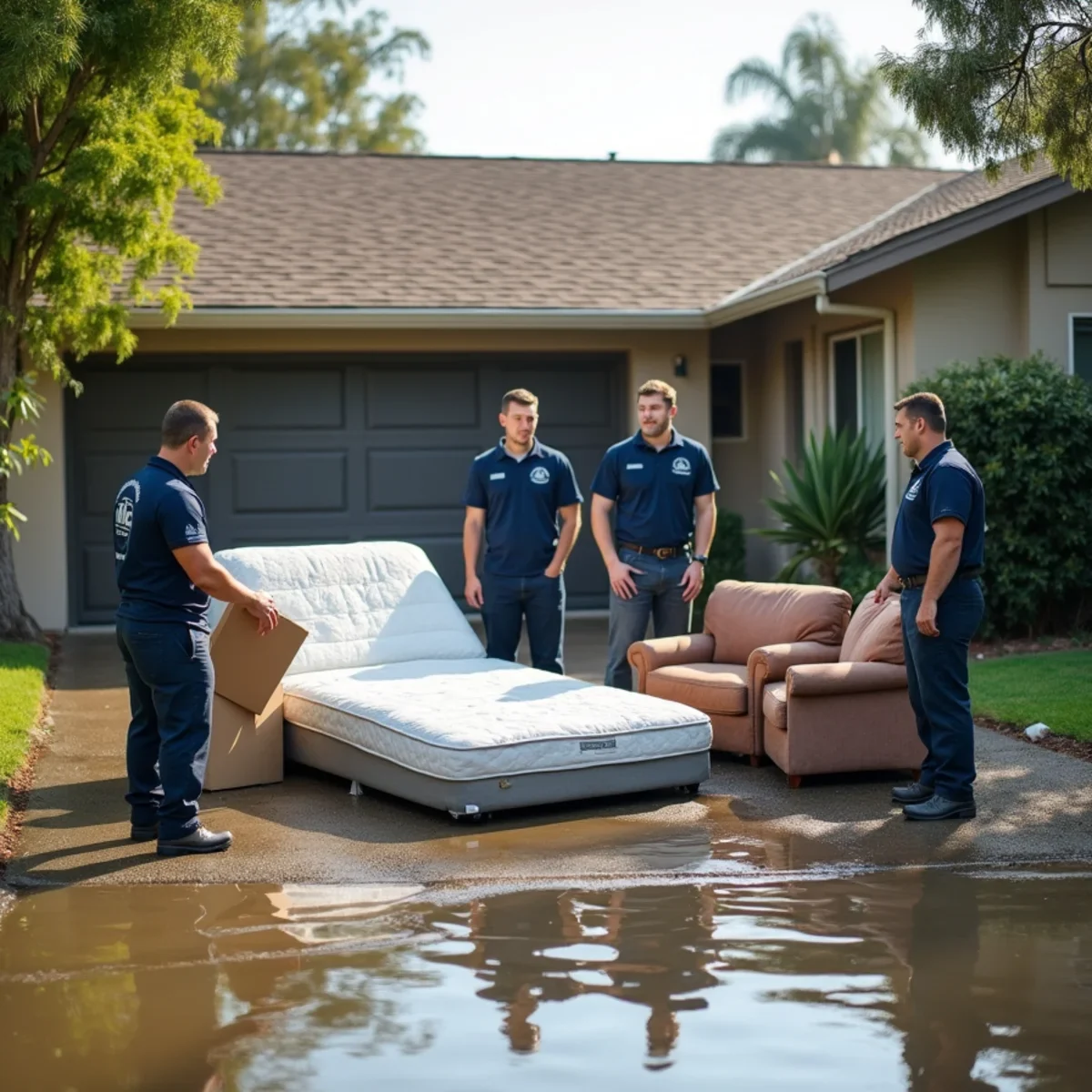
Non-porous items — glass, metal, sealed hard surfaces, most solid-wood furniture — clean up well. Porous items that sat in floodwater generally don't: carpet pad, mattresses, upholstered furniture, particle board, and food or medicine that got wet. Photograph everything before you discard it so it counts toward your claim.
How fast do you respond to storm flooding?
We dispatch 24/7 and stage locally in Rancho Cucamonga, so we're on site quickly for most of the city. During a regional storm event, calling early genuinely matters — every restoration company in the Inland Empire is working the same night.
Do we need to move out during flood cleanup?
Often yes, at least for the demolition and disinfection phase. Floodwater is Category 3, so the affected area is under containment with negative air running, and porous materials are coming out. If the flooding reached a main living area, your only bathroom or the kitchen, plan on relocating. If anyone in the household is immunocompromised, pregnant, elderly or very young, relocate regardless. We'll give you a straight recommendation at the first assessment, before you book anything.
We already started clearing before calling. Have we lost the documentation?
Not entirely, and it is a very common situation — people do not stand still while water is in the house. Photograph the water line on the walls, which stays visible for a long time, and photograph everything you removed, ideally before it goes to the curb. Keep receipts for anything you bought or rented. We reconstruct what we can from that plus the physical evidence still in place, and we say plainly in the report what was documented at the time versus afterwards.
Related services
- Storm Damage CleanupEmergency tarping, water extraction and full interior restoration after Santa Ana winds and winter atmospheric rivers.
- Sewage CleanupCategory 3 black water handled properly: PPE, containment, removal of contaminated material, disinfection and odor control.
- Water ExtractionTruck-mounted units pull standing and sub-surface water out in hours — the step that decides whether your floors survive.
Further reading
How Restoration Works
Stormwater Got Inside: What's Salvageable After a Flood and What Isn't
Porosity decides it. A room-by-room list of what cleans up, what doesn't, and what to photograph before it goes to the curb.
5 min read
Cost & Insurance
Flood Insurance vs. Homeowners Insurance: Why Storm Flooding Usually Isn't Covered
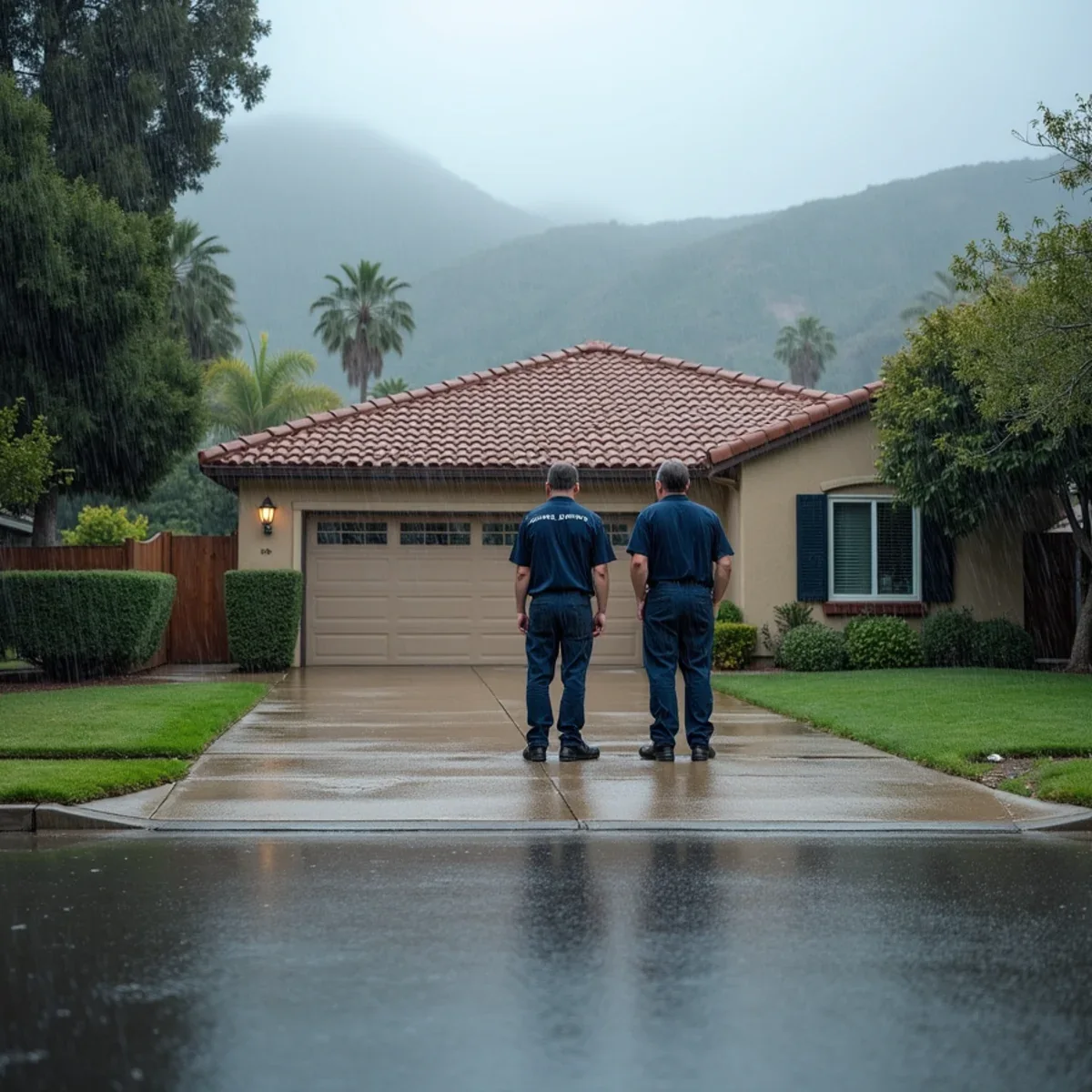
The exclusion that surprises people every winter — and how to tell whether your property actually needs a separate flood policy.
5 min read
Where we work
Flood Cleanup across the Inland Empire
Based in Rancho Cucamonga, serving the surrounding cities and neighborhoods 24/7.
Need flood cleanup in Rancho Cucamonga?
Free assessment, 60-minute dispatch, and a real person on the phone at any hour.
- Documented dry standard
- Bonded & insured
- 24/7 emergency response