Free Written Estimate
Water Extraction & Removal in Rancho Cucamonga, CA
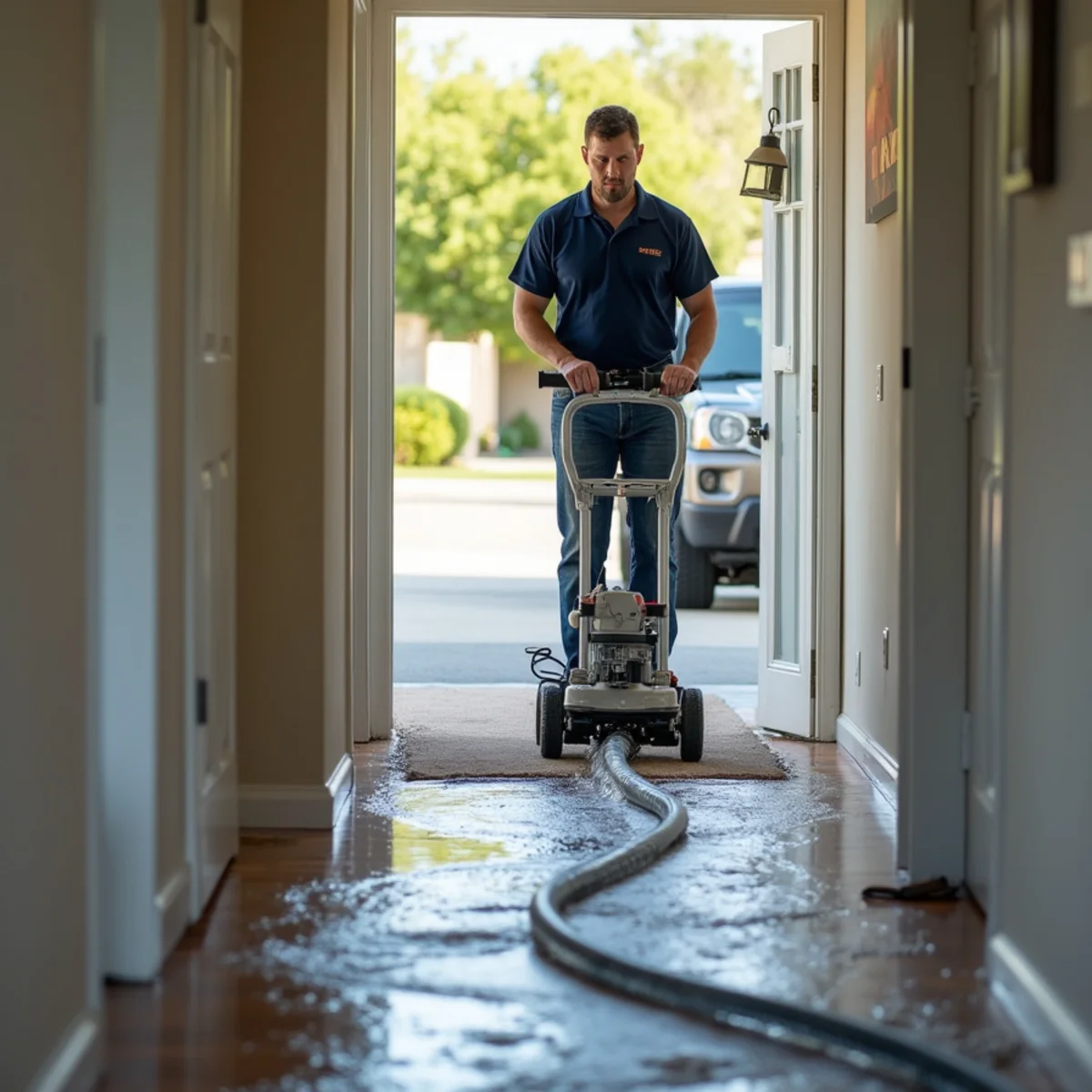
Truck-mounted units pull standing and sub-surface water out in hours — the step that decides whether your floors survive.
- Documented dry standard
- Bonded & insured
- 24/7 emergency response
Extraction is the highest-value hour of the entire job. Every gallon we physically pull out is a gallon that doesn't have to be evaporated later, and evaporation is the slow, expensive part.
We run truck-mounted and portable extraction units across Rancho Cucamonga, and we can be at most addresses in under an hour. Call +1 (201) 277-9344 and stop the spread.
Water actively spreading? Call now — every hour widens the damage and the bill.
+1 (201) 277-9344Do you need this service?
When extraction is the first call
If you can see water pooling, walk on a squelching carpet, or hear dripping through a ceiling, extraction comes before anything else.
Visible standing water on any floor
Tile, laminate, vinyl or slab — pooled water is moving into wall cavities and under cabinets the entire time it sits.
Carpet that squishes underfoot
Carpet holds a fraction of the water; the pad underneath holds most of it. Only weighted sub-surface extraction reaches it.
Water pouring from a ceiling or light fixture
Cut the power to that circuit and call. There is a reservoir of water sitting on the drywall above you.
A flooded garage or laundry room
The most common call we get in Rancho Cucamonga. Water heaters and washer supply lines fail into a slab room that drains toward the house, not the driveway.
Water in a commercial suite or common area
Retail and office losses need extraction on a schedule that keeps the business open. We work nights on these routinely.
Why a shop vac isn't the same thing
A wet/dry vacuum removes surface water. That's genuinely useful in the first ten minutes, and if you have one, use it while you wait for us.
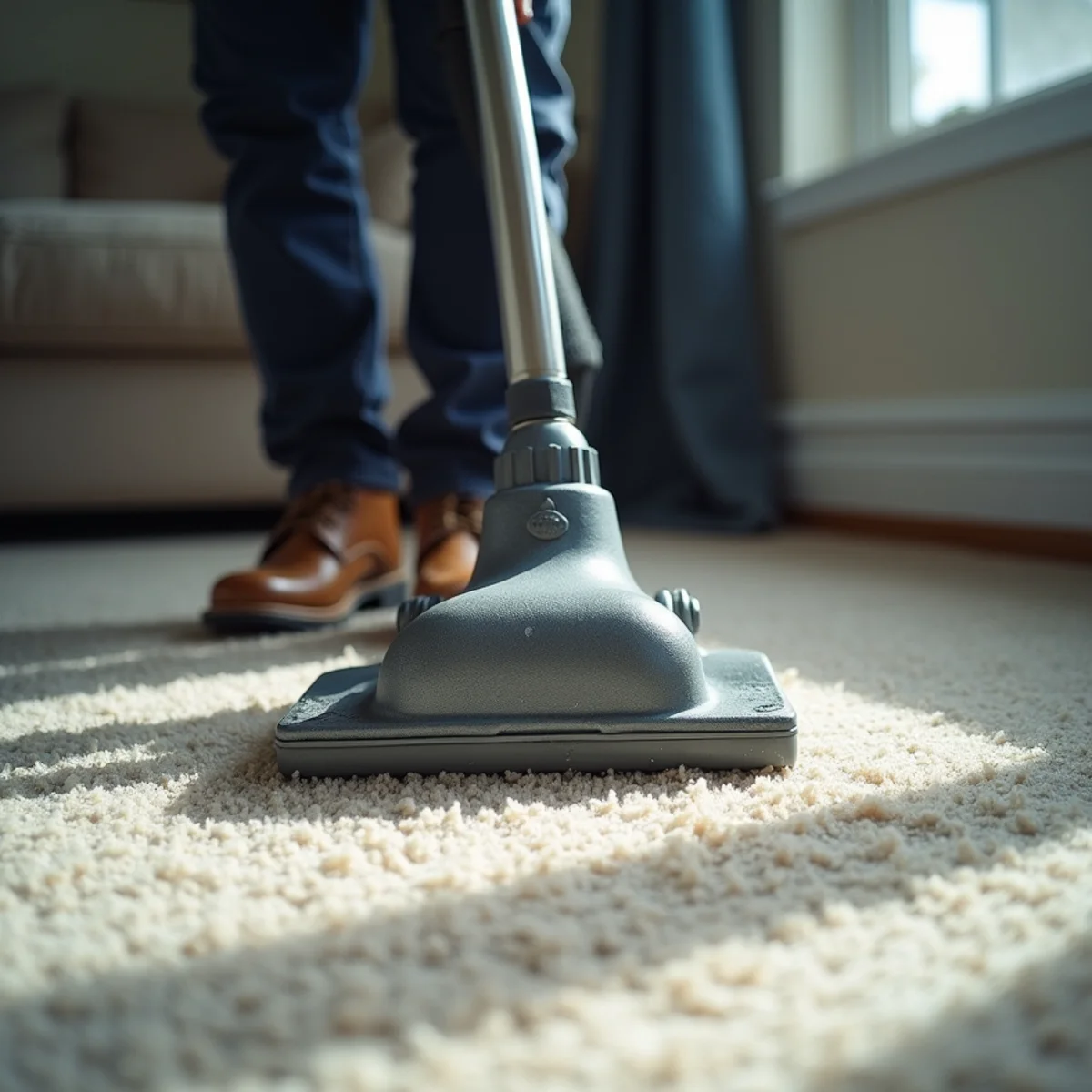
What it cannot do is pull water out of what's underneath. Carpet pad behaves like a sponge with a lid on it: the carpet face feels damp, the pad below is fully loaded, and the concrete or subfloor beneath that has already started absorbing. Professional extraction uses weighted sub-surface tools — the operator's body weight compresses the carpet and pad while vacuum pulls the water up through both layers in a single pass. On a moderate room that is the difference between recovering 90% of the water and recovering maybe 30%.
The other difference is capacity. A truck-mounted unit carries far more vacuum lift and a far larger waste tank than anything you can carry in one hand, so extraction runs continuously instead of stopping every four gallons.
What we extract from, and how
Carpet and pad. We extract through both first. If the water was Category 1 and we're there fast, the pad often survives. If it was grey or black water, the pad is removed and disposed of regardless — it is not cleanable in place.
Hard surfaces. Tile, vinyl plank, laminate and sealed concrete get squeegeed and vacuumed, then checked for water that has migrated under the plank layer or into the grout bed. Laminate almost always has water under it if it has water on it.
Wall cavities. Water that has wicked up drywall or run down inside a wall gets released either through the base plate or through small, patchable inspection holes, then dried from behind with directed airflow.
Crawl spaces and sub-areas. Pumped out, then treated separately — a wet crawl space will re-humidify the whole house through the floor if you dry the living space and ignore it. See flooded basement and crawl space cleanup.
Contents. Furniture is blocked or moved out of the wet zone, rugs are pulled and dealt with separately, and anything that's going to bleed dye onto flooring gets isolated first.
Extraction is where the salvage decisions get made
While the water is coming up, the crew lead is deciding what stays and what goes. That decision is worth watching, because it drives most of your final cost.
The framework is simple: category of water, porosity of the material, and time. Non-porous surfaces — tile, sealed concrete, metal, glass — can be cleaned and saved after almost any category. Semi-porous materials like framing lumber and plywood subfloor are usually dryable if we get there quickly. Porous materials — carpet pad, insulation, particle board cabinetry, drywall below the water line — come out when the water was contaminated or when they've been wet long enough that drying them would take longer than replacing them.
We will tell you which category each item falls into and why. If we say a $900 area rug is worth sending to a specialist and a $60 sheet of drywall isn't, you'll get the reasoning.
After extraction: the part that can't be skipped
Extraction ends when we stop pulling measurable water. That is not the same as the house being dry — the remaining moisture is bound inside materials, and it comes out through controlled evaporation.
That's why extraction is always followed immediately by structural drying and dehumidification. Equipment goes down the same day, moisture readings get baselined, and the drying plan starts running. Homeowners who extract and stop are the ones who call back three weeks later about a musty smell and a soft spot in the drywall — which by then is a mold remediation job.
For losses that are still actively running when you call — a burst line, a failed heater, an overflowing main — start with 24/7 emergency water removal instead, and we'll handle the shut-off and extraction together.
We run extraction across Rancho Cucamonga and out through Ontario, Upland, Fontana and Rialto.
Where the water goes once we remove it
A question almost nobody asks and one that matters more than it sounds, because disposal is regulated and it is one of the places a cut-price operator saves money at your expense.
Category 1 — clean water. Water from a supply line, with nothing picked up along the way, can generally go to sanitary sewer via an appropriate connection. That is a clean-out or a suitable drain, metered and controlled, not a hose run into the street.
Category 2 and 3 — grey and black water. Anything carrying contamination — a washing machine discharge, a toilet overflow, a sewage backup, storm water that has crossed the ground — goes to sanitary sewer only, never to a storm drain. Storm drains in this region discharge to channels and eventually to the Santa Ana River system without treatment, which is why putting contaminated water into one is both an environmental problem and a regulatory one.
The materials, not just the water. Saturated carpet pad, insulation, drywall and particleboard from a contaminated loss are handled as waste rather than left in a pile on the driveway. Bagged, removed and disposed of properly, with the volume recorded on the job file.
Why the paperwork matters to you. On an insured loss, disposal volume and method form part of the scope an adjuster reviews. On a commercial site it can also matter to your own compliance obligations. Either way, a contractor who cannot say where the water went is telling you something about how the rest of the job was run.
Our process
How water extraction works, step by step
Stop the source
If it's still running, the water gets shut off at the fixture or the main before a single tool comes off the truck.
Safety and power check
Standing water near outlets, panels or submerged appliances means the affected circuits get isolated first.
Baseline moisture map
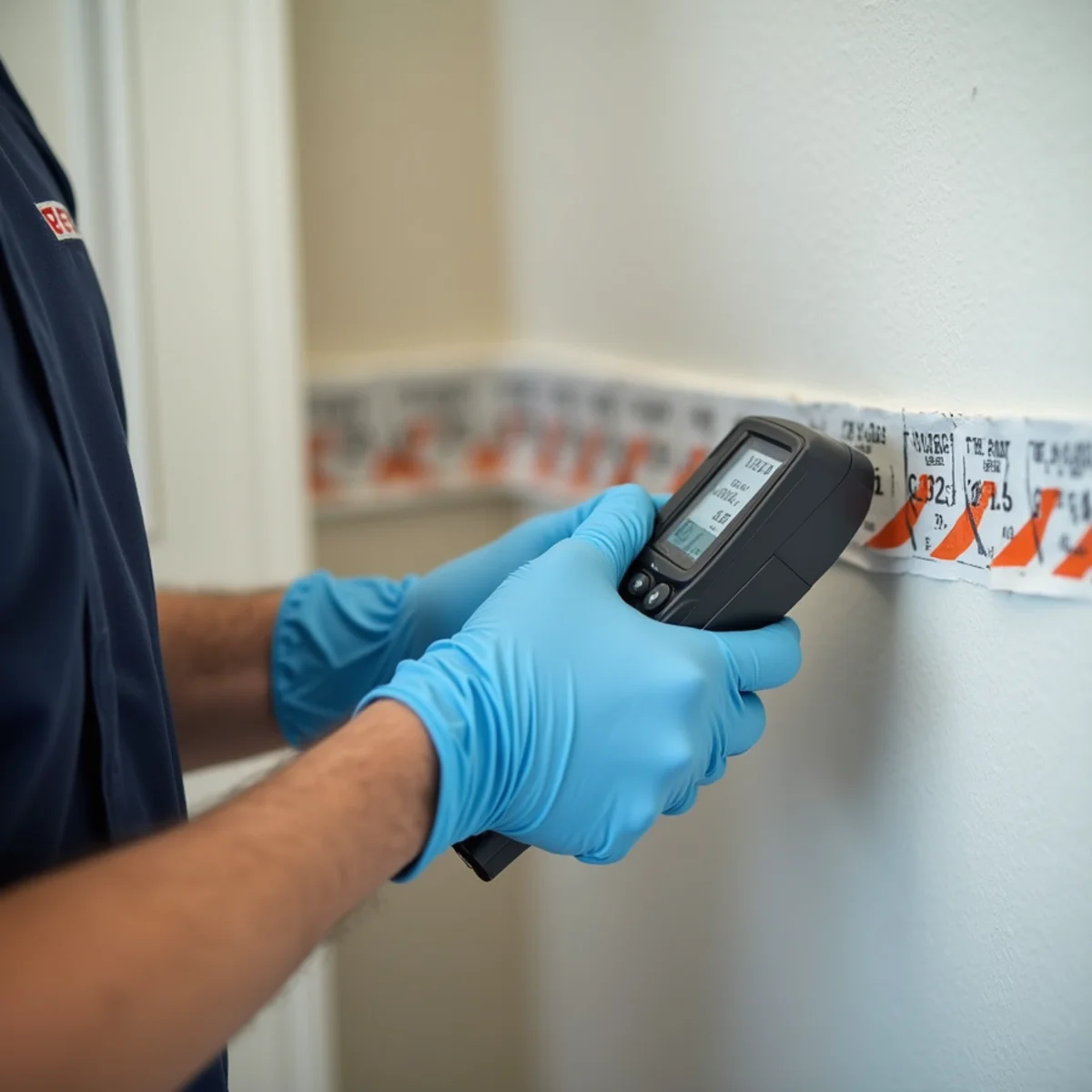
Meters and thermal imaging record what's wet and how wet before extraction, so we can prove progress later.
Bulk water removal
Truck-mounted or portable extraction clears standing water from hard surfaces and open areas.
Sub-surface extraction
Weighted extraction tools pull water up through carpet and pad; wall cavities are released and drained where needed.
Salvage triage and drying setup
Unsalvageable porous material is removed and documented, contents are protected, and drying equipment is placed the same visit.
- Documented dry standard
- Bonded & insured
- 24/7 emergency response
What it costs
What moves the price on a job like this
We won't quote your property over the phone — too many variables. Here's what an honest estimate is built from.
- 1
Volume of standing water
Gallons removed drives truck time and disposal. A contained bathroom overflow and a whole-floor loss are different orders of magnitude.
- 2
Water category
Category 3 extraction requires PPE, containment and regulated disposal of both the water and any porous material it touched.
- 3
Flooring type
Carpet and pad extract quickly. Glued-down vinyl, floating laminate and tile over a mud bed take longer or force removal.
- 4
Access and stairs
Second-floor and crawl-space extraction adds hose runs, pump staging and labor time compared with a ground-floor room.
- 5
Time of day
We answer and dispatch 24/7. Overnight and holiday emergency mobilisation is priced differently than a scheduled daytime visit — we'll say so upfront.
The on-site assessment and written estimate are free. See our Rancho Cucamonga, CA cost guide for typical ranges.
Why RC Water Pros
Why Rancho Cucamonga homeowners call us for this
Five things we commit to on every job, before we ever pull into your driveway.
60-minute dispatch, from inside the city
Our crews and equipment stage off 11190 White Birch Dr in Rancho Cucamonga — not a regional hub an hour away. On water extraction that arrival gap is the difference between drying in place and demolition.
Every job run to the published S500 standard
Every job is run to the published industry standard for water damage restoration, with a documented dry standard established from your own unaffected materials — not a technician's judgement about what feels dry.
Adjuster-ready documentation on every job
Timestamped photos, moisture maps, daily drying logs, equipment run hours and a written scope, delivered in the format carriers expect. We speak to your adjuster directly so you aren't the middleman.
Extraction through rebuild, one contract
We don't dry your property and hand you a list of subcontractors. The crew that dries it puts the drywall, texture, paint, baseboard and flooring back, under one point of contact.
Free assessment and a written estimate
Free on-site assessment and written estimate, no charge to come and look, and a straight answer about whether the job is small enough for you to handle yourself.
FAQ
Water Extraction questions
Should I try to get the water out myself before you arrive?
Yes, within limits. Squeegee or shop-vac what you can reach on hard surfaces, and move furniture up onto blocks or foil. Do not lift wet carpet — pulling it wrong stretches the backing and turns a salvageable carpet into a replacement — and do not wade through standing water if it's near outlets or a panel.
Can my carpet be saved?
Often, if the water was clean and we extract quickly. The pad underneath is a different question — it is cheap, it holds enormous volume, and on anything but a fast Category 1 loss it usually comes out and gets replaced. We'll tell you before we cut anything.
How long does extraction take?
For a typical single-room residential loss, two to four hours on site including moisture mapping and drying setup. Multi-room and commercial losses run longer, and we'll give you a realistic time on arrival rather than a number over the phone.
Do you extract water from crawl spaces?
Yes. Crawl spaces get pumped, then dried and treated as their own zone. Skipping the crawl space is one of the most common reasons a house that was 'dried' still smells musty a month later.
What's the difference between water extraction and water mitigation?
Extraction is one step inside mitigation. Extraction is the physical removal of water — standing water off hard surfaces, then sub-surface water pulled up through carpet and pad. Mitigation is the whole emergency phase: source control, extraction, removing material that can't be saved, and getting drying equipment running to stop the damage spreading. Carriers usually itemise them separately on an estimate, which is why you'll see both words on your paperwork.
Can I speed things up by running my own fans while I wait?
Moving furniture off wet carpet and lifting rugs helps measurably. Running household fans does not do much and can occasionally do harm — fans move air but remove no water from it, so without dehumidification you are pushing moisture from a wet material into drier parts of the house. If the water may be contaminated, air movement actively spreads the problem. Stop the source, lift what you can, photograph it and leave the airflow to equipment sized for it.
Related services
- Emergency Water RemovalOne number, answered by a person, any hour of any day — with a truck rolling before the call ends.
- Structural DryingAir movers and commercial dehumidifiers placed to a calculated load, with daily moisture readings you get to see.
- Flood CleanupStorm and runoff flooding brings contaminated water. We pump, strip, sanitize and dry — then document it for your carrier.
Further reading
How Restoration Works
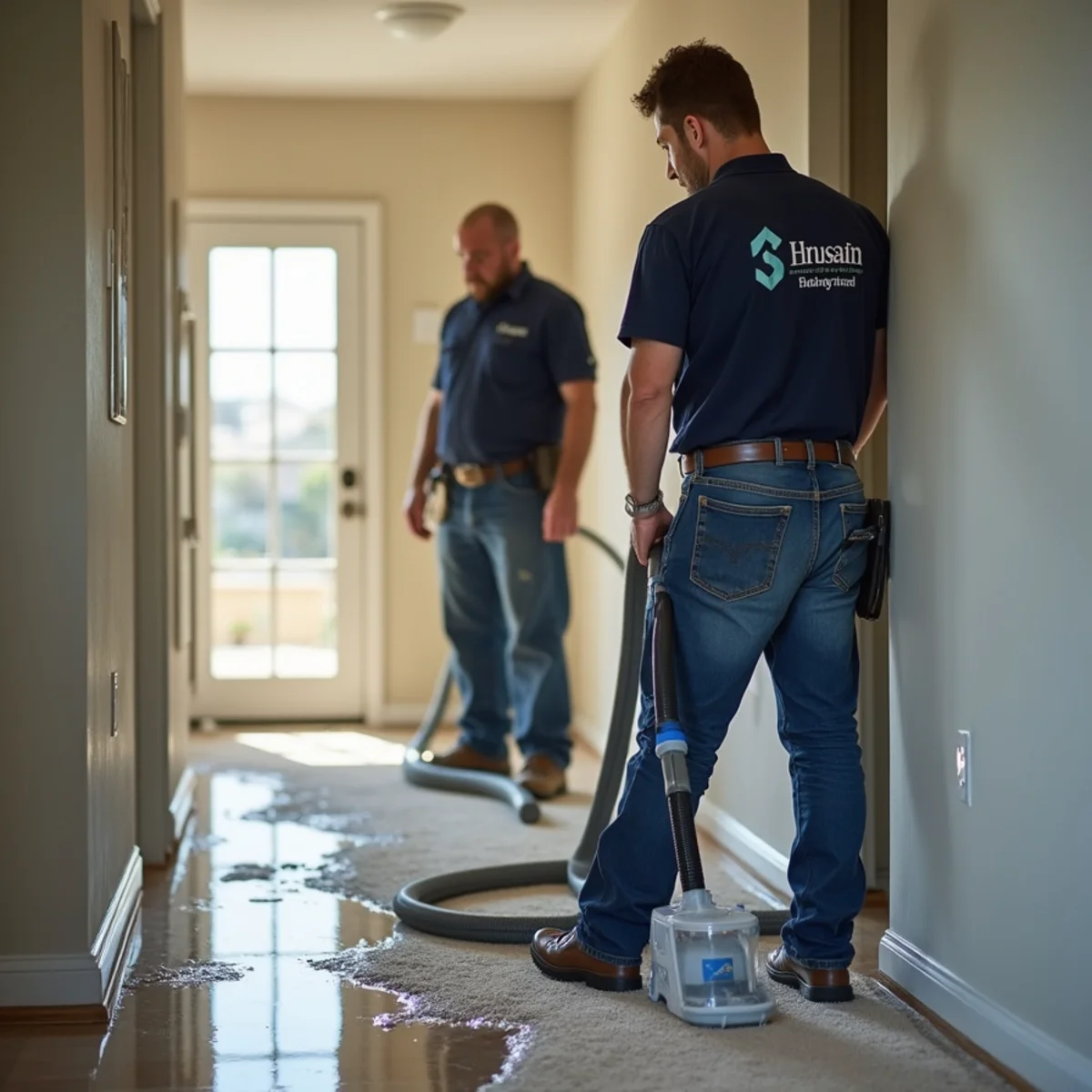
Why Shop-Vaccing a Flooded Carpet Isn't Enough (What Professional Extraction Pulls Out)
Carpet holds a fraction of the water. The pad below is a sponge with a lid on it, and only weighted extraction reaches it.
5 min read
How Restoration Works
Wet Drywall: When It Can Be Saved and When It Has to Come Out
Four questions decide it — water category, structural integrity, how long it's been wet, and what's behind it.
5 min read
Where we work
Water Extraction across the Inland Empire
Based in Rancho Cucamonga, serving the surrounding cities and neighborhoods 24/7.
Need water extraction in Rancho Cucamonga?
Free assessment, 60-minute dispatch, and a real person on the phone at any hour.
- Documented dry standard
- Bonded & insured
- 24/7 emergency response