Free Written Estimate
Sewage Cleanup & Backup Removal in Rancho Cucamonga, CA
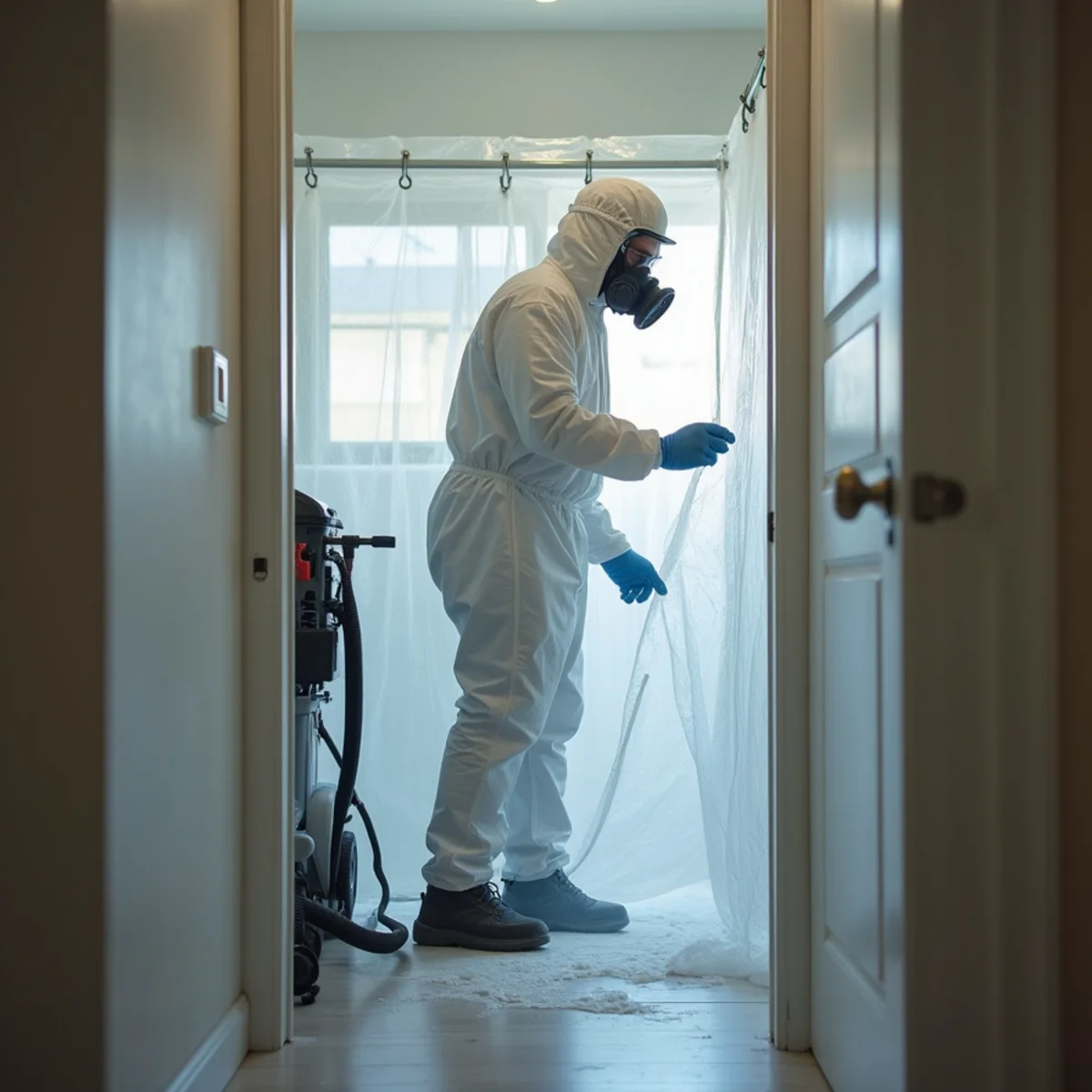
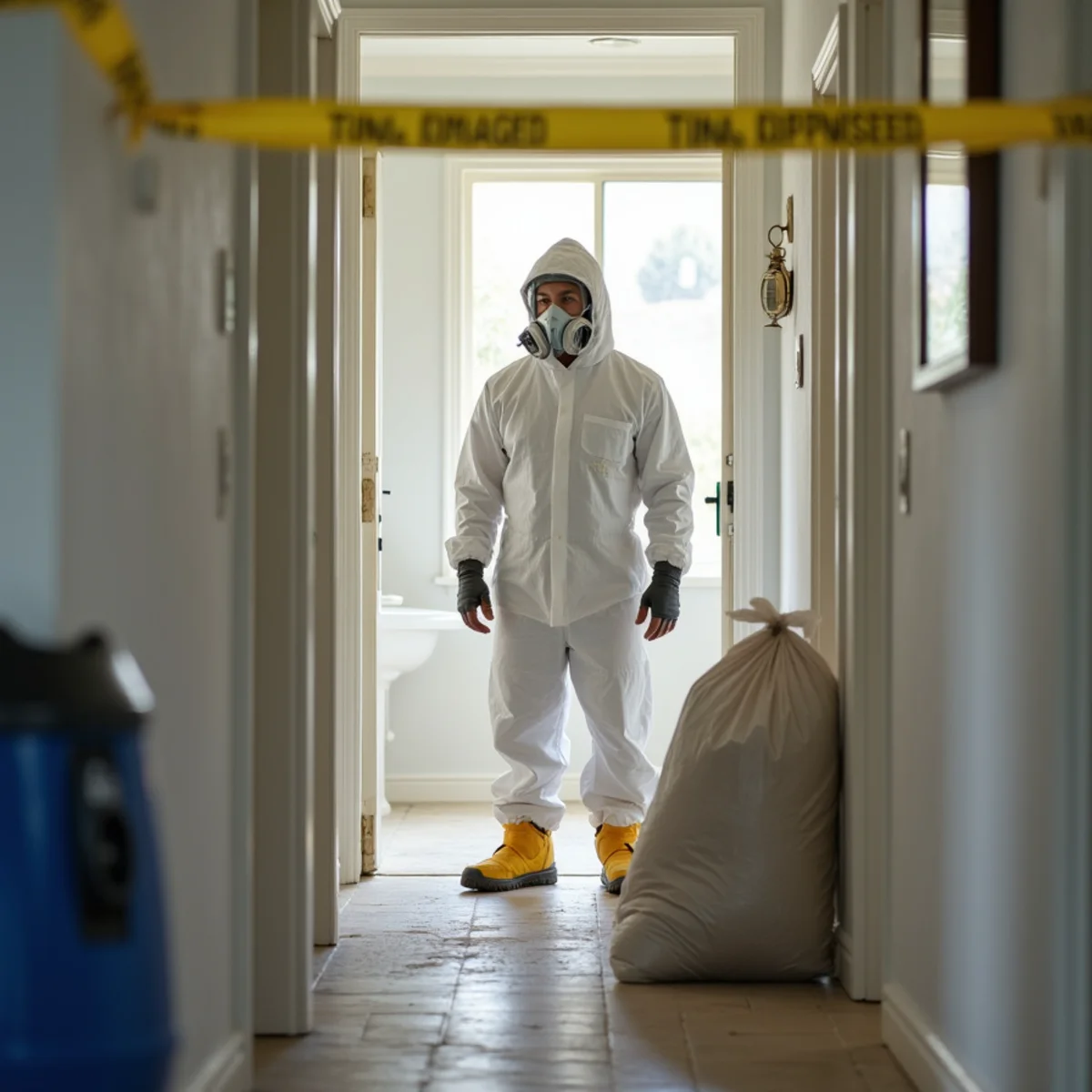
Category 3 black water handled properly: PPE, containment, removal of contaminated material, disinfection and odor control.
- Documented dry standard
- Bonded & insured
- 24/7 emergency response
A sewage backup is a biohazard event in your house. It is not a cleaning job you should take on with a mop and a bottle of bleach, and the health risk is real — E. coli, hepatitis A, giardia and a long list of others live in that water.
Keep everyone, especially kids and pets, out of the affected rooms and call +1 (201) 277-9344. We're certified for Category 3 work and we respond 24/7 across Rancho Cucamonga.
Water actively spreading? Call now — every hour widens the damage and the bill.
+1 (201) 277-9344Do you need this service?
Signs you're dealing with a sewage backup
Some of these are obvious. Others get mistaken for an ordinary leak until someone notices the smell.
Waste water coming up through a floor drain, tub or shower
The classic sign of a blocked main line. Water backs up at the lowest fixture in the house first — usually a downstairs shower.
Toilet overflow that keeps coming after you stop flushing
If it doesn't stop when the flush stops, the blockage is downstream of the toilet and the whole line is affected.
Multiple drains gurgling or backing up at once
Two or more fixtures misbehaving together points to the main lateral, not an individual trap.
A sharp sewer smell in the house with no visible water
Waste can be sitting in a wall cavity, under a raised floor or in a crawl space where you can't see it.
Sewage in a crawl space or sub-area
A broken lateral under the house contaminates soil and framing and will keep the whole home smelling until it is properly remediated.
What Category 3 water means for your house
The industry classifies sewage and anything it has touched as Category 3 — grossly contaminated. That word drives every decision on the job, and it is why sewage cleanup looks so different from drying a clean-water leak.
The rules are not flexible:
- Porous materials that contacted the water are removed. Carpet, pad, drywall below the contamination line, insulation, particle board cabinetry, and any upholstered furniture that was in contact. These cannot be reliably disinfected — the contamination is inside the material, not on it.
- Semi-porous materials are cleaned and evaluated. Framing lumber and plywood subfloor are usually salvageable after aggressive cleaning and antimicrobial treatment, with verification.
- Non-porous surfaces are cleaned and disinfected. Tile, sealed concrete, metal, glass, solid surface.
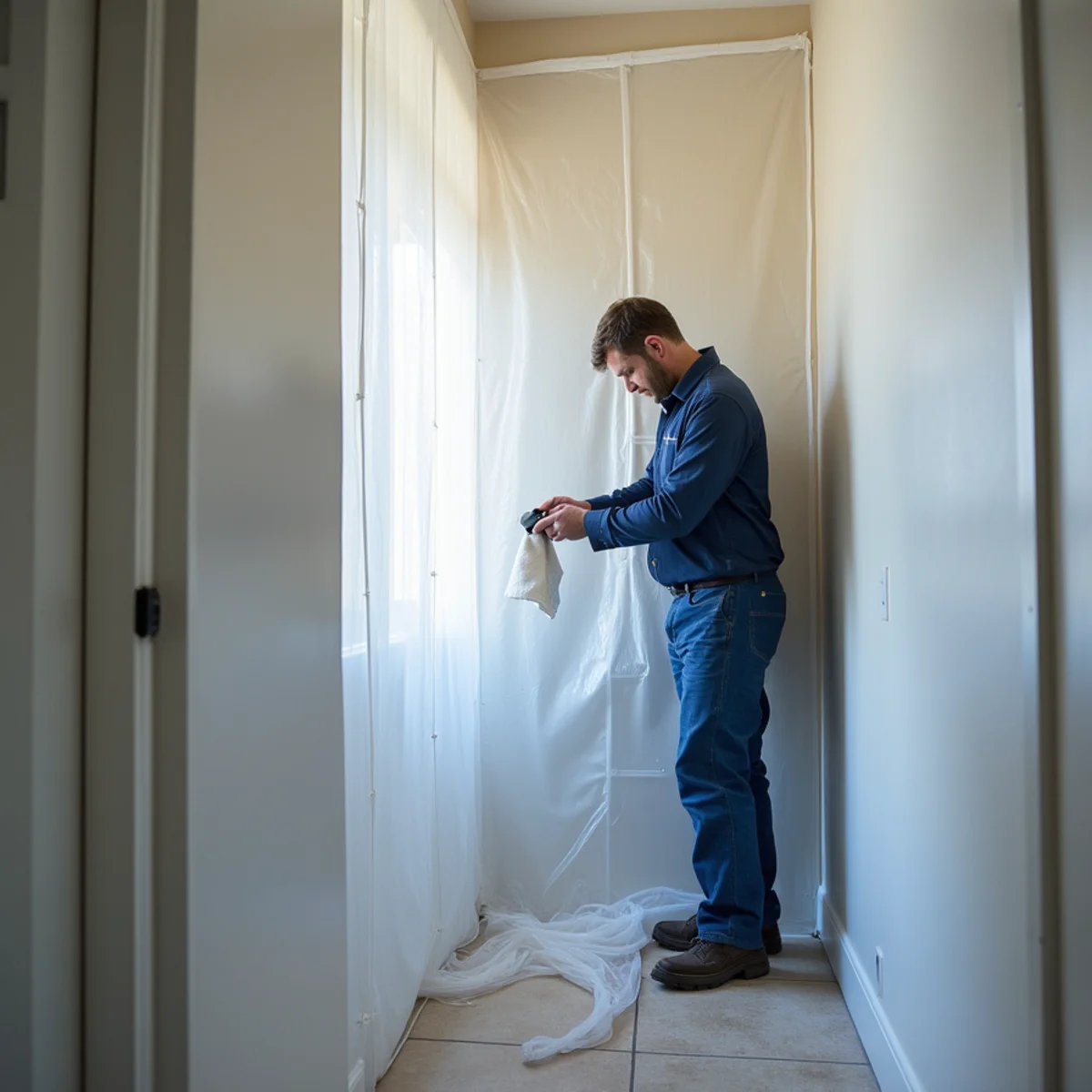
- Containment is mandatory. Physical barriers plus negative air pressure with HEPA filtration, so that airborne contamination stays in the work zone and doesn't get pushed through the rest of your house.
Anyone who tells you they can spray a disinfectant on soaked carpet and call it done is either untrained or hoping you don't know the standard.
Why sewage backups happen here
Two causes account for most of what we see in Rancho Cucamonga and the surrounding cities.
Root intrusion. Mature street trees send roots toward the moisture and nutrients in a sewer lateral. They enter at a joint, then grow into a mat that catches everything flushed past it. This is a significant issue in the older, tree-lined neighborhoods — Claremont, Downtown Upland, Historic Cucamonga and pre-1950 Downtown Ontario — where the trees and the clay laterals grew up together.
Line failure and blockage. Older laterals — clay, cast iron, early ABS — crack, sag and offset. Add grease, wipes marketed as "flushable," and a heavy rain event pushing groundwater into the system, and the line backs up at the lowest fixture in the house.
We also see sewage backups after storms in areas where the sanitary and storm systems both come under load at once.
The cleanup sequence
1. Stop use and isolate. Nobody flushes anything, and the affected area is closed off. If waste is near electrical, that circuit gets killed.
2. Set containment. Poly barriers, negative air machines and HEPA scrubbers go up before demolition, not after.
3. Extract. Contaminated water is extracted with dedicated equipment and disposed of appropriately — never into a storm drain or a yard.
4. Remove. Contaminated porous materials come out to a documented line, get bagged in the work zone, and are photographed before disposal.
5. Clean, then disinfect. Physical cleaning removes the soil load; an EPA-registered antimicrobial then treats the cleaned surfaces. Doing it in the other order accomplishes nothing.
6. Deodorize. Sewer odor lives in materials, not in the air. Once contaminated material is out and surfaces are treated, we address residual odor at the source rather than masking it.
7. Dry and verify. Structural drying runs against daily readings, then affected areas are rebuilt.
Health and safety, plainly
Do not let anyone in the affected area without PPE. Do not run your HVAC — it will move contaminated air through the whole house. Do not use a household vacuum. Do not eat or store food anywhere the water reached.
If someone in the household is immunocompromised, pregnant, elderly, or a small child, plan on relocating them until the remediation is complete and verified. That is the standard advice from public health guidance for Category 3 events, and we would tell a family member the same thing.
What insurance usually says
Sewer and drain backup is typically excluded from a standard California homeowners policy unless you carry a specific endorsement — often sold as "water backup and sump overflow" coverage, commonly with its own sub-limit.
Check your declarations page for that endorsement before you assume. If a backup originated from the municipal main rather than your own lateral, there may also be a claim against the responsible agency, which makes documentation and cause determination critical. We photograph the entry point, the extent, and the sequence, and we write the cause plainly in the report.
More on this: sewage backup cleanup costs and coverage and tree roots in your sewer line.
Why the smell comes back, and what actually removes it
The recurring complaint after a poorly handled sewage job is an odour that fades and then returns, usually when the weather warms or the humidity rises. It is a reliable sign that source material was left in the building.
Odour is material, not air. The smell is produced by contamination that is still present — in a subfloor, inside a wall cavity, in the carpet pad, under a cabinet kick, or in a crawl space beneath the room. Treating the air treats the symptom.
What does not fix it. Ozone generators oxidise odour molecules in the air and on exposed surfaces, but they do not penetrate an assembly, and they are unsafe to run in occupied space. Foggers and antimicrobial sprays treat what they can reach. Sealing paints applied over material that is still contaminated trap the problem behind a film for a few weeks. Air fresheners simply mask the signal you need.
What does. Removing the porous material that cannot be sanitised — that is the whole reason Category 3 protocol requires it. Cleaning and treating the semi-porous and non-porous material that stays. Drying the assembly to a verified standard, because damp residue keeps the biological activity going. Then, and only then, sealing and rebuilding.
The place it is most often missed. Beneath and behind cabinetry, and in the sub-area under the affected room. Both are out of sight, both are awkward to access, and both hold contamination indefinitely if the job was scoped from what was visible standing in the room.
If a smell returns weeks later, something was left. It is worth reopening rather than deodorising.
Our process
How sewage cleanup works, step by step
Stop use and secure the area
Fixtures go out of service, the affected zone is closed off, and anyone vulnerable is moved out before work starts.
Full containment
Poly barriers, negative air pressure and HEPA filtration are set up so contamination cannot migrate into clean parts of the home.
Extraction and removal
Contaminated water is extracted and disposed of properly; contaminated porous materials are cut to a documented line and bagged inside the containment.
Clean then disinfect
Surfaces are physically cleaned of soil load, then treated with an EPA-registered antimicrobial appropriate for Category 3 work.
Odor control at the source
Residual odor is treated in the materials that hold it, not masked with fragrance. Air scrubbing continues through this phase.
Dry, verify, rebuild
Structural drying to a documented standard, verification, then replacement of removed drywall, insulation, flooring and finishes.
- Documented dry standard
- Bonded & insured
- 24/7 emergency response
What it costs
What moves the price on a job like this
We won't quote your property over the phone — too many variables. Here's what an honest estimate is built from.
- 1
Volume and spread
A contained bathroom backup and waste that reached carpeted bedrooms are very different scopes of removal and containment.
- 2
How much porous material was contacted
Every square foot of carpet, pad, drywall and insulation below the line is removal and replacement, not cleaning.
- 3
Containment complexity
Occupied homes, multi-story spread and commercial spaces that must stay partially open all require more barrier work.
- 4
Disposal
Category 3 waste has handling and disposal requirements that ordinary construction debris does not.
- 5
Crawl space involvement
Contaminated soil under a house is its own remediation — often including vapor barrier replacement — and adds significantly to scope.
The on-site assessment and written estimate are free. See our Rancho Cucamonga, CA cost guide for typical ranges.
Why RC Water Pros
Why Rancho Cucamonga homeowners call us for this
Five things we commit to on every job, before we ever pull into your driveway.
60-minute dispatch, from inside the city
Our crews and equipment stage off 11190 White Birch Dr in Rancho Cucamonga — not a regional hub an hour away. On sewage cleanup that arrival gap is the difference between drying in place and demolition.
Every job run to the published S500 standard
Every job is run to the published industry standard for water damage restoration, with a documented dry standard established from your own unaffected materials — not a technician's judgement about what feels dry.
Adjuster-ready documentation on every job
Timestamped photos, moisture maps, daily drying logs, equipment run hours and a written scope, delivered in the format carriers expect. We speak to your adjuster directly so you aren't the middleman.
Extraction through rebuild, one contract
We don't dry your property and hand you a list of subcontractors. The crew that dries it puts the drywall, texture, paint, baseboard and flooring back, under one point of contact.
Free assessment and a written estimate
Free on-site assessment and written estimate, no charge to come and look, and a straight answer about whether the job is small enough for you to handle yourself.
FAQ
Sewage Cleanup questions
Can I clean up a small sewage backup myself?
We'd advise against it for anything beyond a few square feet on a hard, non-porous floor — and even then, gloves, eye protection and a proper disinfectant are the minimum. Sewage carries pathogens that cause serious illness, and household cleaning tools spread it rather than remove it. Anything that reached carpet, drywall or cabinetry needs professional Category 3 remediation.
Does my insurance cover a sewage backup?
Only if you carry a water backup / sewer backup endorsement — it is usually not part of a standard California homeowners policy, and it often carries its own sub-limit. Check your declarations page. If the backup came from the municipal main rather than your lateral, there may be a separate claim path, which is why we document cause and entry point carefully.
How long until the smell goes away?
Odor stops when the source leaves. Once contaminated porous materials are removed and cleaned surfaces are treated, most homes are odor-free by the end of the remediation. Lingering smell after remediation almost always means something contaminated was missed — commonly a crawl space, a wall cavity or subfloor under a fixture.
Do we have to move out?
Not always, but plan on it if the backup affected a main living area, if you only have one bathroom, or if anyone in the household is immunocompromised, elderly, pregnant or very young. We'll give you a straight recommendation during the assessment.
How long does sewage cleanup take?
A contained single-bathroom backup is usually two to three days: containment and extraction on day one, removal and disinfection on day two, drying and verification after that. Once waste has reached carpeted living space or a crawl space, expect four to seven days before rebuild starts, because there is more material to remove and the space has to verify clean before anything is closed up. Reconstruction is scheduled separately after that.
How soon can we use the bathroom or kitchen again?
The fixtures themselves are usually usable as soon as the blockage is cleared and the area has been cleaned and disinfected — often the same day. What takes longer is the affected flooring, drywall and cabinetry, which is a removal-and-drying sequence over several days. We contain the work area so the rest of the property stays usable, and we tell you at the first visit which rooms will be out of action and for roughly how long.
Related services
- Flood CleanupStorm and runoff flooding brings contaminated water. We pump, strip, sanitize and dry — then document it for your carrier.
- Mold RemediationContainment, HEPA filtration, source removal and moisture correction — remediation that fixes the cause, not just the stain.
- Water Damage RestorationEmergency extraction, structural drying and full rebuild — one crew from the first phone call to the final walkthrough.
Further reading
How Restoration Works
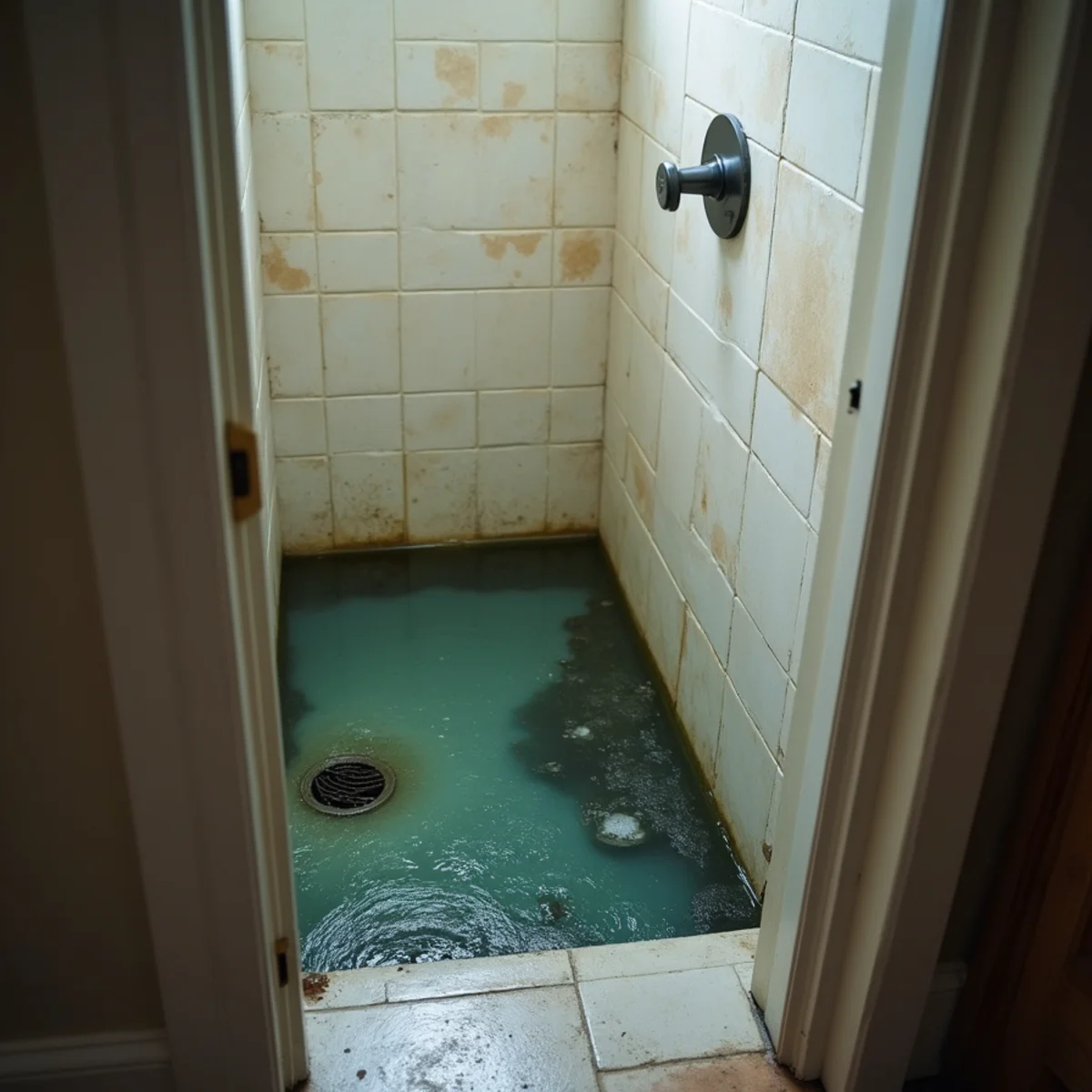
Sewage Backing Up Into the Shower: Causes, Health Risks, and Safe Cleanup
It shows up in the shower because the shower is the lowest opening in your drain system. That tells you exactly what's wrong.
5 min read
Cost & Insurance
Sewage Backup Cleanup Costs — and Whether Your Insurance Will Actually Pay
The endorsement most people don't have, the material that has to come out regardless, and where the money actually goes.
5 min read
Where we work
Sewage Cleanup across the Inland Empire
Based in Rancho Cucamonga, serving the surrounding cities and neighborhoods 24/7.
Need sewage cleanup in Rancho Cucamonga?
Free assessment, 60-minute dispatch, and a real person on the phone at any hour.
- Documented dry standard
- Bonded & insured
- 24/7 emergency response