24/7 Emergency Service
24/7 Emergency Water Removal in Rancho Cucamonga, CA
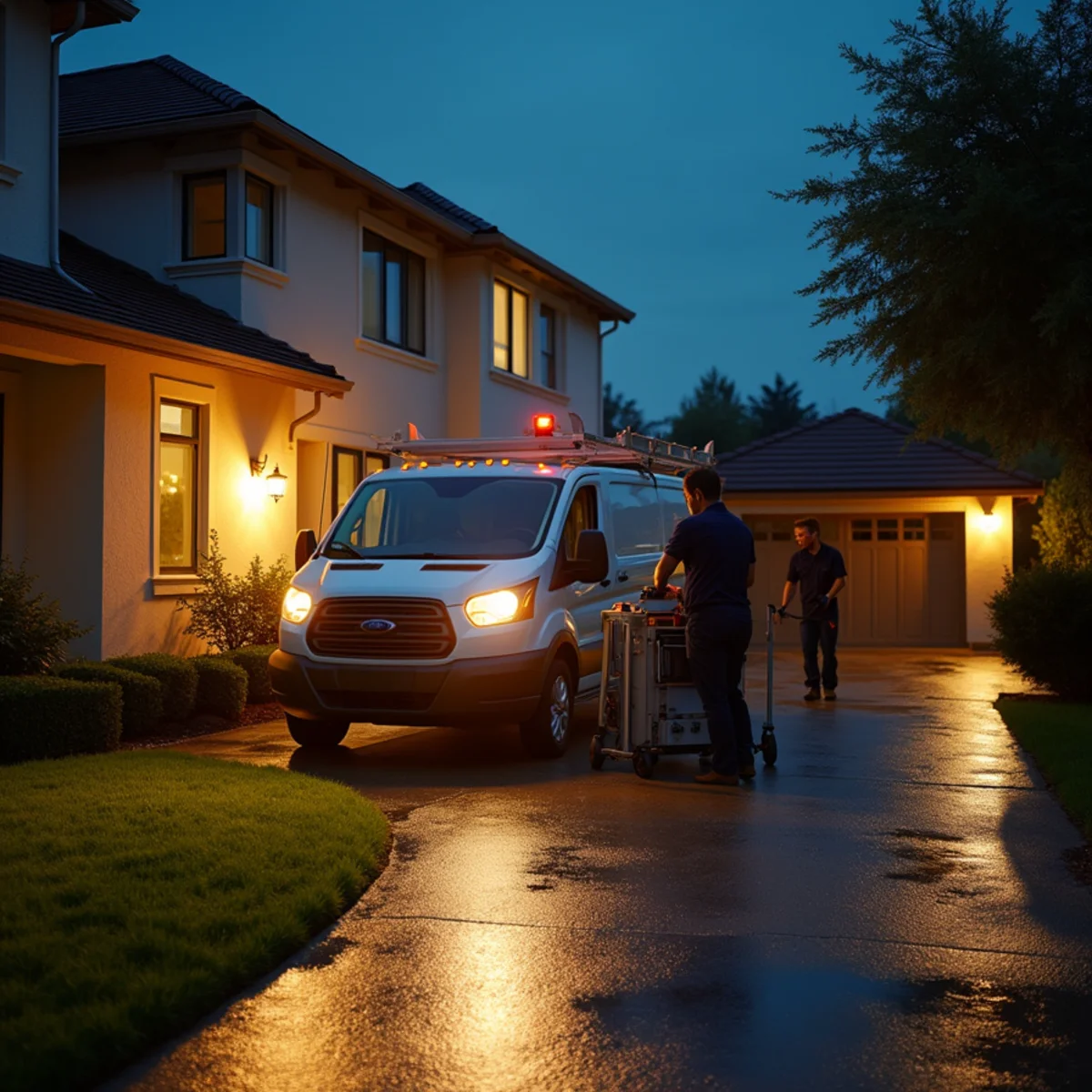
One number, answered by a person, any hour of any day — with a truck rolling before the call ends.
- Documented dry standard
- Bonded & insured
- 24/7 emergency response
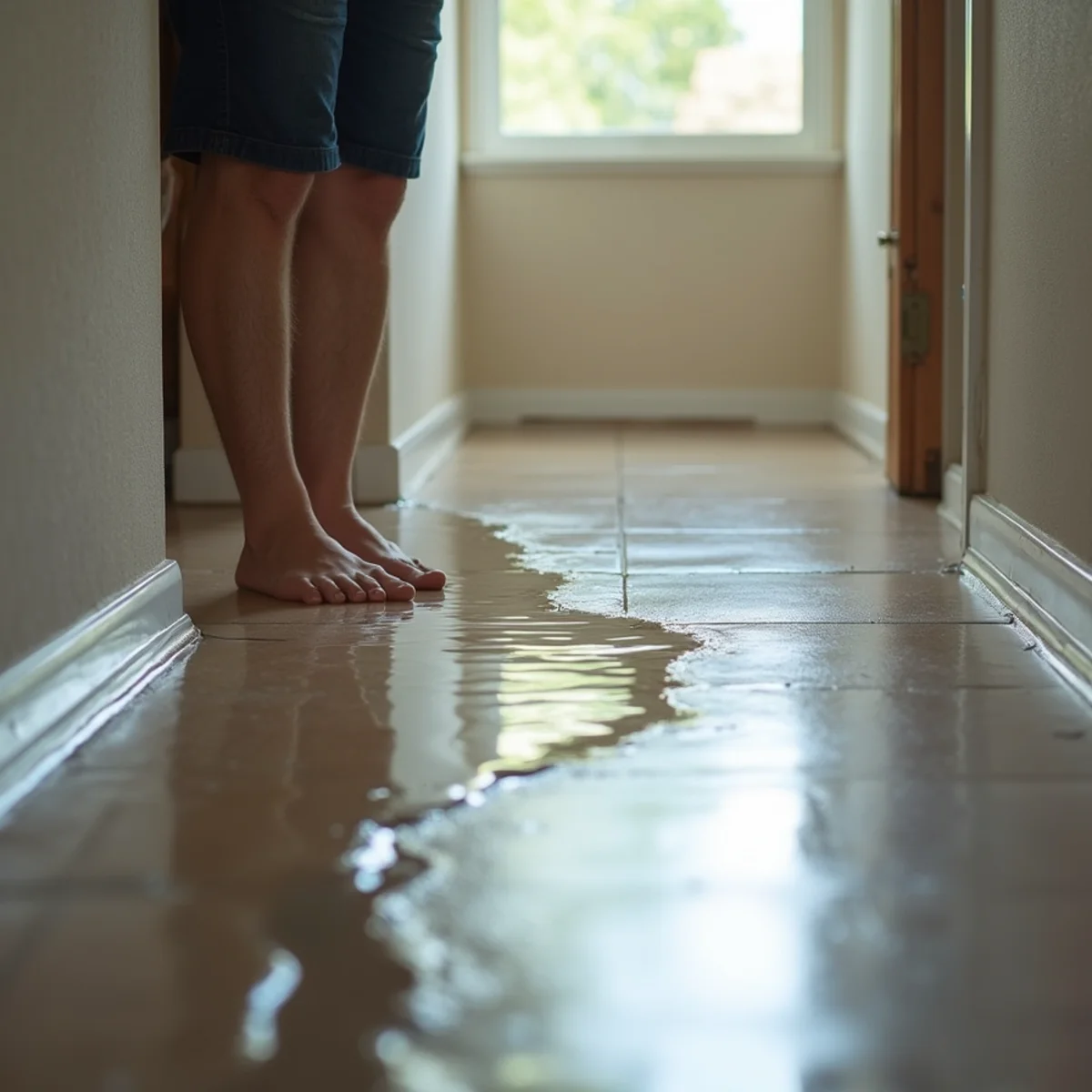
Water emergencies do not happen at convenient times. The calls we take most often come in between 11 p.m. and 5 a.m., or on the Sunday of a holiday weekend, from someone standing in a hallway watching water spread.
That is the number to call: +1 (201) 277-9344. A person answers, not a machine. Crews stage locally in Rancho Cucamonga, and we dispatch within 60 minutes.
Water actively spreading? Call now — every hour widens the damage and the bill.
+1 (201) 277-9344Do you need this service?
This is an emergency call, not a next-business-day one
If any of these are happening, the water is actively getting worse while you decide.
Water is still running and you can't stop it
Call us and we'll walk you to your shut-off on the phone while the crew is en route.
Water is spreading room to room
Every doorway it crosses adds affected square footage, and affected square footage is what the invoice is made of.
It's coming through the ceiling
A ceiling holding water is a collapse and electrical risk. Get everyone out from underneath and call.
You're leaving town in the morning
Water left alone for a week is the worst version of every one of these jobs. Do not wait until you're back.
It's contaminated water
Sewage or floodwater in the living space is a health emergency as much as a property one. Keep people and pets out.
A business is about to open
Retail, office and restaurant losses get worked overnight so you can open. We do this routinely.
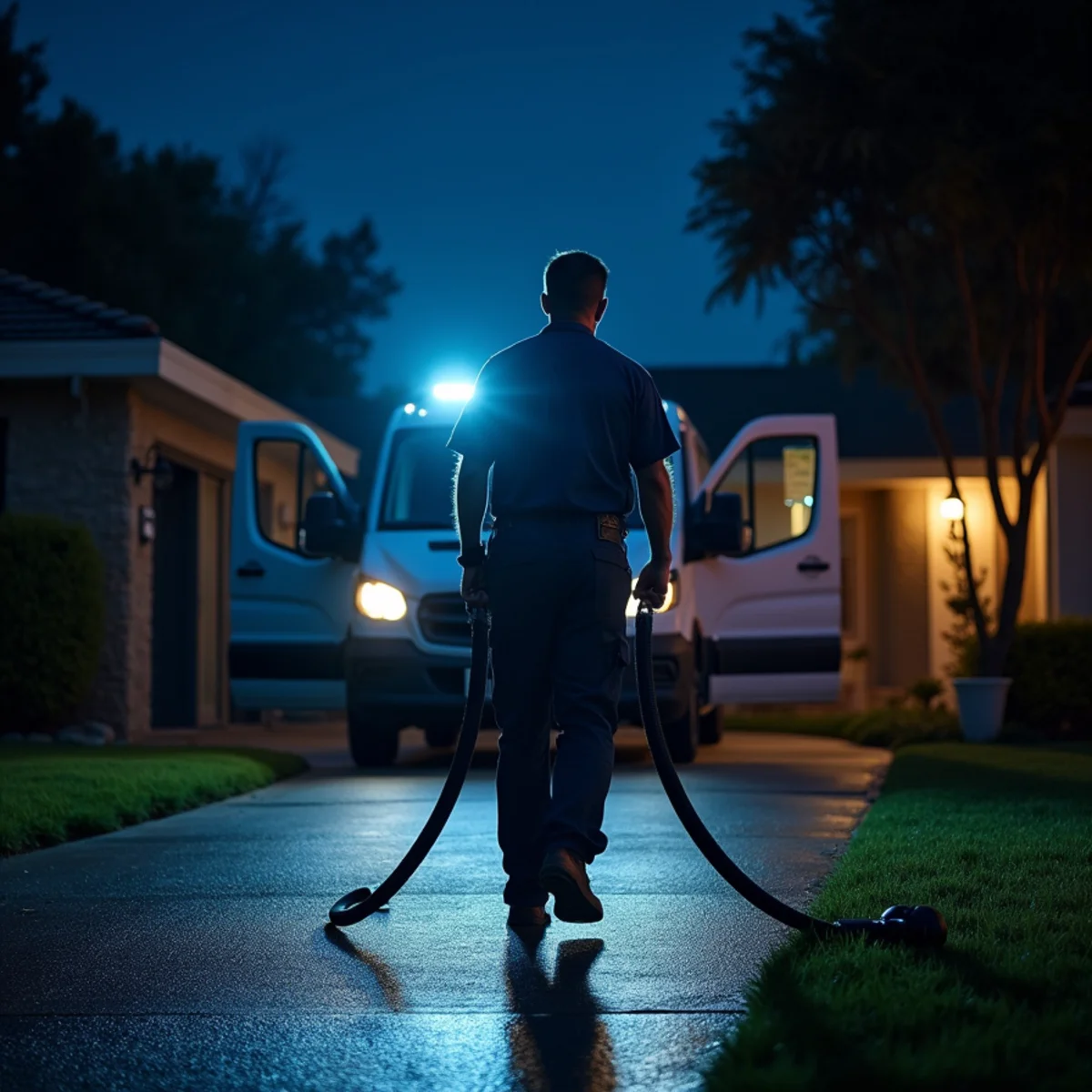
What happens when you call at 2 a.m.
A person answers. Not an answering service that takes a message for the morning, and not a national call center routing you to whoever bids on your zip code. You get someone who can dispatch a truck.
Four questions. Where are you, where did the water come from, how far has it spread, and is anyone unsafe? That's enough to send the right crew with the right equipment.
We coach you while we drive. If the water is still running, we'll help you find and close the main. If it's near electrical, we'll tell you what not to touch. If a ceiling is bulging, we'll tell you to stay out of that room. Those few minutes of instruction routinely save thousands of dollars of damage before anyone arrives.
A crew rolls. Not a salesperson. A technician with an extraction unit, meters and drying equipment, ready to start work on arrival.
The 60-minute promise, and why we can make it
Response time claims are cheap to write on a website. Ours is based on something specific: we operate out of Rancho Cucamonga, and our equipment is staged here.
The math is simple. From our base near White Birch Drive, most of the city — Alta Loma, Terra Vista, Victoria Gardens, Etiwanda, Red Hill — is a short drive on surface streets with no freeway dependency. Adjacent cities like Upland, Ontario and Fontana run 15 to 25 minutes.
Compare that with a franchise dispatching from Orange County or the far side of San Bernardino at 2 a.m. and you understand why some companies quote a four-hour window instead of an arrival time.
We will always give you a real ETA. If we're on another job and it's going to be ninety minutes, we say ninety minutes.
Emergency mitigation: what gets done on the first visit
The goal of the emergency visit is to stop the damage from growing. That means:
- Source control. The water stops, whether that's a main shut-off, capping a line, or tarping a roof.
- Safety. Affected circuits are isolated, hazards are identified, and unsafe areas are marked off.
- Documentation. Photos and video of everything before it's disturbed — this is when claim evidence is created.
- Extraction. Standing and sub-surface water comes out. See water extraction for the detail.
- Emergency demolition, only where necessary. Soaked carpet pad or contaminated material that has to come out tonight, comes out tonight.
- Drying equipment on the floor. Air movers and dehumidifiers start before the crew leaves, so drying begins overnight instead of tomorrow.
You should expect a written scope of what was done and what happens next before the first crew leaves your house.
What to do in the first ten minutes
If you take nothing else from this page:
Shut the water off at the main if you can reach it safely. Kill power to affected rooms at the breaker — but never step into standing water to get to the panel. Photograph everything before you move anything. Don't run your HVAC or house fans — that pushes moisture and spores into dry rooms. Don't lift wet carpet. Don't throw anything away until the adjuster has seen it.
Then call. Water damage is one of the most common claims a California homeowner will ever file — you are not the first person this has happened to, and it is fixable.
Related: burst pipe first-hour action plan and how to shut off your main water valve.
What is on the truck when we arrive
The first hour is limited by what the crew can start with, so the emergency vehicle is loaded for the failures this valley actually produces rather than as a general-purpose kit.
Extraction capacity first. Portable and weighted sub-surface extraction, because the volume of water you can physically remove in the first hour is the single biggest determinant of what survives. Every gallon extracted is a gallon that does not have to be evaporated over the following days.
Detection before demolition. Moisture meters and thermal imaging come out before anything gets opened, so the first cut is in the right place. On a call where the source is not obvious, this is what separates a targeted access hole from an exploratory one.
Drying equipment on the same visit. Air movers and commercial dehumidifiers, so the dry-out starts the night of the loss rather than the following afternoon. A house that sits wet overnight while equipment is scheduled loses most of the advantage of a fast arrival.
Containment and safety. Poly, tape and negative air where a loss turns out to be contaminated, plus the protective equipment that lets a crew work a Category 3 event safely rather than going away and coming back.
Temporary protection. Tarping and covering materials, because a proportion of night calls turn out to be an active roof intrusion where stopping the water coming in matters more than removing what is already inside.
The point of loading it this way is that the crew that arrives can complete the whole first phase — stop, document, extract, set drying — without a second mobilisation. Waiting for equipment is dead time, and in the first twelve hours dead time is expensive.
Our process
How emergency water removal works, step by step
Call answered by a person
24/7/365. Four questions, then a crew is dispatched — usually before the call ends.
Phone coaching while we roll
We walk you through shutting off water, isolating power and staying out of unsafe rooms before anyone arrives.
Arrival and source control
The water stops first: main shut-off, capped line, or an emergency tarp if it's coming through the roof.
Document before disturbing
Timestamped photos and video of the water line, source and every affected room — the foundation of your claim.
Emergency extraction
Standing and sub-surface water is removed the same visit, along with any porous material that can't wait until morning.
Drying starts tonight
Equipment is placed and running before the crew leaves, with a written scope of what was done and what comes next.
- Documented dry standard
- Bonded & insured
- 24/7 emergency response
What it costs
What moves the price on a job like this
We won't quote your property over the phone — too many variables. Here's what an honest estimate is built from.
- 1
Emergency mobilisation
After-hours and holiday call-outs carry a mobilisation cost that a scheduled daytime visit doesn't. We tell you that on the phone, not on the invoice.
- 2
How far it's spread by the time we arrive
The strongest cost lever, and the one you influence most by calling immediately rather than in the morning.
- 3
Water category
Clean supply water, grey appliance discharge and contaminated sewage or floodwater require different protocols and different disposal.
- 4
Emergency demolition needs
Material that must come out on the first visit to stop the damage adds labor and disposal to the emergency scope.
- 5
Equipment days
Once drying starts, cost is driven by how many units run for how many days — measured against daily moisture readings.
The on-site assessment and written estimate are free. See our Rancho Cucamonga, CA cost guide for typical ranges.
Why RC Water Pros
Why Rancho Cucamonga homeowners call us for this
Five things we commit to on every job, before we ever pull into your driveway.
60-minute dispatch, from inside the city
Our crews and equipment stage off 11190 White Birch Dr in Rancho Cucamonga — not a regional hub an hour away. On emergency water removal that arrival gap is the difference between drying in place and demolition.
Every job run to the published S500 standard
Every job is run to the published industry standard for water damage restoration, with a documented dry standard established from your own unaffected materials — not a technician's judgement about what feels dry.
Adjuster-ready documentation on every job
Timestamped photos, moisture maps, daily drying logs, equipment run hours and a written scope, delivered in the format carriers expect. We speak to your adjuster directly so you aren't the middleman.
Extraction through rebuild, one contract
We don't dry your property and hand you a list of subcontractors. The crew that dries it puts the drywall, texture, paint, baseboard and flooring back, under one point of contact.
Free assessment and a written estimate
Free on-site assessment and written estimate, no charge to come and look, and a straight answer about whether the job is small enough for you to handle yourself.
FAQ
Emergency Water Removal questions
Is there really someone answering the phone at 3 a.m.?
Yes. Emergency dispatch is staffed around the clock, every day of the year including holidays. If you get voicemail from a restoration company at 3 a.m., you've reached an answering service — and your call is being logged for the morning.
What does it cost just to come out?
The on-site assessment and estimate are free. If we can look at it and tell you it's small enough to handle yourself, we'll tell you that and leave — that call happens more often than you'd think.
Should I call you or my insurance company first?
Call us first if water is actively spreading. Your policy requires you to mitigate further damage, so stopping the water and starting extraction is the right first move, and it strengthens the claim rather than weakening it. Call your carrier as soon as the immediate emergency is controlled — and photograph everything before anything gets moved.
How fast can you actually be here?
We dispatch within 60 minutes for emergencies in Rancho Cucamonga, and we'll give you a real arrival estimate rather than a window. Neighboring cities typically run 15 to 25 minutes longer. During a major regional storm, everyone in the Inland Empire is working — calling early matters.
The water has already stopped — is it still an emergency?
Usually yes, for the first 24 to 48 hours. The flow stopping doesn't remove what already soaked into flooring, wall cavities and cabinetry, and that's the window where materials can still be dried in place instead of removed. After it, the same job becomes demolition plus remediation plus a rebuild. If it's been longer than that, it's no longer a 2 a.m. call — but it is still worth an assessment this week rather than next.
Do you charge more at night, at the weekend or on a holiday?
Coming out to look is free whenever you call — there is no call-out fee and no after-hours assessment charge. Emergency mobilisation outside normal hours does carry a higher labour rate on the work itself, which is standard across the trade and is ordinarily covered on a valid claim. What we will not do is quote you one number on the phone at 3 a.m. and present a different one in the morning; the written estimate comes before the non-emergency work.
Related services
- Water ExtractionTruck-mounted units pull standing and sub-surface water out in hours — the step that decides whether your floors survive.
- Burst Pipe CleanupA failed supply line can put hundreds of gallons into your house in an hour. We stop it, pull it out and dry it.
- Water Damage RestorationEmergency extraction, structural drying and full rebuild — one crew from the first phone call to the final walkthrough.
Further reading
Emergency Guides
Burst Pipe? Your First-Hour Action Plan to Stop the Damage
Shut-off, power, documentation, and the four things that quietly make the damage worse. The order matters more than the speed.
5 min read
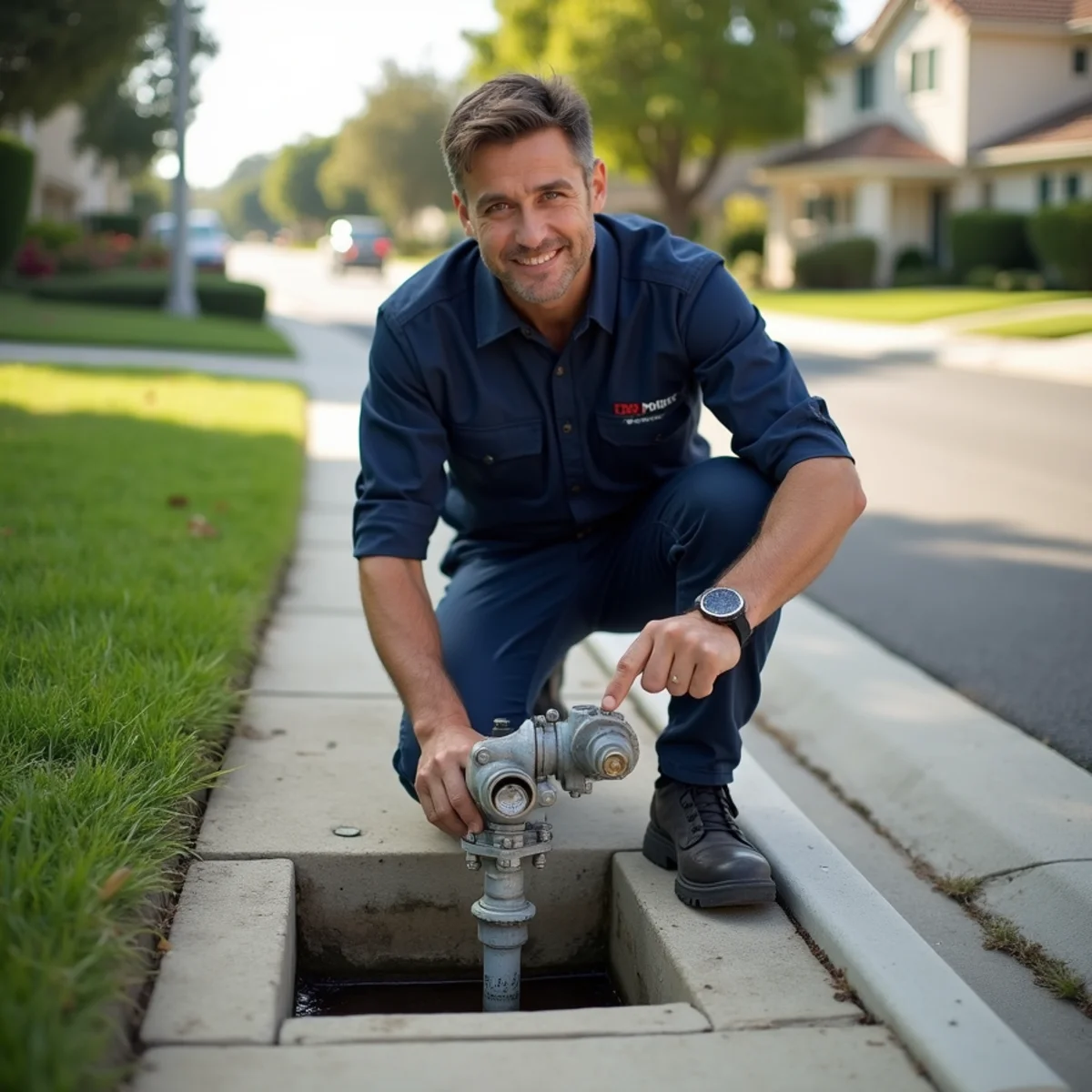
Emergency Guides
How to Find and Shut Off Your Home's Main Water Valve (Before You Ever Need To)
Do this on a Saturday afternoon in daylight, not at 2 a.m. in the dark with water rising. Here's exactly where to look.
4 min read
Where we work
Emergency Water Removal across the Inland Empire
Based in Rancho Cucamonga, serving the surrounding cities and neighborhoods 24/7.
Need emergency water removal in Rancho Cucamonga?
Free assessment, 60-minute dispatch, and a real person on the phone at any hour.
- Documented dry standard
- Bonded & insured
- 24/7 emergency response