
Free Written Estimate
Residential Water Damage Restoration in Rancho Cucamonga, CA
One company from the first phone call to the final coat of paint — so you're not hiring three contractors mid-crisis.
- Documented dry standard
- Bonded & insured
- 24/7 emergency response
Most homeowners have never had water damage before, and the hardest part isn't the water — it's not knowing what happens next, who to call, what it costs, or whether insurance will pay.
This page is the whole arc: what we do, in what order, and what you're responsible for. Call +1 (201) 277-9344 and we'll start.
Water actively spreading? Call now — every hour widens the damage and the bill.
+1 (201) 277-9344Do you need this service?
The residential losses we see most
In rough order of how often our phone rings for them in Rancho Cucamonga.
Water heater failure in the garage
Forty to eighty gallons onto a slab that often drains toward the house. See [water heater leak cleanup](/water-heater-leak-cleanup/).
Slab leak in a 1980s–90s tract home
Aging in-slab copper meeting hard water. Quiet, slow, and usually discovered by a warm floor or a doubled water bill.
Appliance supply line burst
Washing machine hose, dishwasher line, refrigerator icemaker line. They fail without warning and often while nobody's home.
Toilet or tub overflow
Fast, high volume, and depending on the source, potentially contaminated. Upstairs overflows damage two floors at once.
Roof leak after wind season
Lifted tile in October, water in December. The attic is usually wetter than the ceiling suggests.
Storm runoff at ground level
Water under a garage door or slider during a winter storm — treated as contaminated, handled as [flood cleanup](/flood-cleanup/).

What full-service actually means
The phrase gets used loosely, so here is the concrete version. On a residential loss, there are two halves of the work, and most companies only do the first.
Mitigation is the emergency half: stopping the water, extracting it, removing what can't be saved, and drying the structure to a documented standard. It usually takes three to five days.
Reconstruction is putting the house back: drywall, texture, paint, baseboard, insulation, cabinetry, flooring. It takes longer and it's the half homeowners care about most, because it's the part where their home stops looking like a jobsite.
A great many restoration companies do mitigation, pull their equipment, and hand you a dry, partially demolished house plus a list of subcontractors. You then project-manage a rebuild, in the middle of a claim, while living in it.
We do both, under one contract, with one estimator and one point of contact. That's the actual difference, and it's worth asking any company you're considering whether they do the rebuild themselves.
Living through it: the practical stuff
Can you stay? Usually yes for a contained clean-water loss. Plan on relocating if the water was contaminated, if the electrical is compromised, or if your only kitchen or bathroom is out of service. We'll give you a straight answer at the assessment, before you book a hotel.
It's loud. Air movers run 24 hours. We position equipment to keep sleeping areas as workable as possible, but there's no version of this that's quiet.
Your power bill goes up. Meaningfully, for a few days. Keep the bill — on an insured loss it's frequently reimbursable, and we include equipment run-hours in the documentation.
Pets and kids. Tell us on the first call. Equipment placement, containment and which doors stay closed all change when there's a toddler or a cat in the house.
Additional Living Expenses. If you do have to relocate, most California homeowners policies include ALE coverage for hotel and meals above your normal spend. Ask your adjuster about it specifically — carriers don't always volunteer it.
Contents: the part people forget to ask about
Your belongings are a separate scope from your structure, and they're handled differently.
Non-porous items clean up and come back. Porous items that were in contact with contaminated water generally don't. Documents, photographs and textiles have specialist recovery options that are worth pursuing for anything irreplaceable — tell us early rather than after they've been sitting wet for three days.
Everything unsalvageable gets photographed and inventoried before disposal, because that inventory is what your personal property claim is paid from. Homeowners who bag and bin their ruined belongings before documenting them routinely lose thousands off their settlement.
The neighborhoods we work in
We're a Rancho Cucamonga company, and the housing stock we work in varies a lot by area — which changes what we expect to find before we arrive.
The slab-era tracts of Terra Vista, Rochester and Windrows produce slab leaks and aging-copper failures. The foothill neighborhoods — Alta Loma, Etiwanda, Deer Creek — bring roof and storm-runoff work. The newer Day Creek and Coyote Canyon builds tend toward appliance and fixture failures rather than pipe failures. And the older cores of Historic Cucamonga, Downtown Upland and Downtown Ontario carry pre-1960 plumbing with its own set of problems.
Whichever one you're in, the first call is the same number and the same 24/7 dispatch.
When it is a rental, a second home or a house you are selling
Most of what gets written about home water damage assumes an owner living in the house. Three other situations come up constantly and each changes the job.
A rental you own. Your policy covers the building; the tenant's belongings are theirs and are only covered if they carry renters insurance, which is a conversation better had at lease signing than at the loss. California habitability obligations also mean the clock on making the unit liveable starts running immediately, so the scope has to be established fast rather than after an adjuster visit. We write these jobs so the building scope and the contents question stay clearly separated.
A second home or a property standing empty. These are the losses that run longest before discovery, which is why they are consistently the most expensive per incident. If nobody has been inside for a fortnight, we assess for growth before drying rather than after — putting equipment on a wall that has been wet for weeks spreads spores instead of solving anything. Many policies also carry conditions about unoccupied properties that are worth checking now rather than at claim time.
A house that is on the market or in escrow. Here the documentation matters as much as the repair. A buyer's inspector will find patched flooring and a fresh section of drywall, and what turns that from a deal problem into a non-issue is a complete file: the cause, the moisture logs showing materials reached dry standard, photographs during the work, and the invoice. We hand that over as a package, because in a transaction the evidence that the job was done properly is worth as much as the job.
Our process
How residential restoration works, step by step
Call, dispatch and phone coaching
A person answers, a crew is dispatched, and we walk you through shut-off and safety while they're on the way.
Assessment and free written estimate
Moisture mapping, category and class determination, a documented scope, and a straight conversation about cost and coverage.
Extraction and emergency mitigation
Water out, unsalvageable porous material out, drying equipment placed the same visit.
Structural drying with daily readings
Three to five days typically, monitored against a documented dry standard you get to see.
Contents handling
Belongings protected, cleaned or documented and inventoried for your personal property claim before anything is discarded.
Reconstruction and final walkthrough
Drywall, texture, paint, baseboard, insulation and flooring restored, then a walkthrough with final readings and the full documentation package.
- Documented dry standard
- Bonded & insured
- 24/7 emergency response
What it costs
What moves the price on a job like this
We won't quote your property over the phone — too many variables. Here's what an honest estimate is built from.
- 1
Category and class of the loss
Clean water in one room versus contaminated water across a floor changes protocol, disposal and scope entirely.
- 2
Response time
The variable you control. Same-day response often means drying in place; a loss found after a weekend usually means demolition and rebuild.
- 3
Mitigation vs. mitigation plus rebuild
These are separate cost centers. Many claims cover both, but a fast small loss may need no reconstruction at all.
- 4
Finish level
Builder-grade carpet and paint restore cheaply. Custom cabinetry, stone, engineered hardwood and specialty texture do not.
- 5
Contents volume
A furnished, occupied family home takes significantly more contents handling than an empty rental.
- 6
Your deductible and policy limits
What you actually pay is the claim outcome minus coverage. We'll help you understand the likely shape of that before work starts.
The on-site assessment and written estimate are free. See our Rancho Cucamonga, CA cost guide for typical ranges.
Why RC Water Pros
Why Rancho Cucamonga homeowners call us for this
Five things we commit to on every job, before we ever pull into your driveway.
60-minute dispatch, from inside the city
Our crews and equipment stage off 11190 White Birch Dr in Rancho Cucamonga — not a regional hub an hour away. On residential restoration that arrival gap is the difference between drying in place and demolition.
Every job run to the published S500 standard
Every job is run to the published industry standard for water damage restoration, with a documented dry standard established from your own unaffected materials — not a technician's judgement about what feels dry.
Adjuster-ready documentation on every job
Timestamped photos, moisture maps, daily drying logs, equipment run hours and a written scope, delivered in the format carriers expect. We speak to your adjuster directly so you aren't the middleman.
Extraction through rebuild, one contract
We don't dry your property and hand you a list of subcontractors. The crew that dries it puts the drywall, texture, paint, baseboard and flooring back, under one point of contact.
Free assessment and a written estimate
Free on-site assessment and written estimate, no charge to come and look, and a straight answer about whether the job is small enough for you to handle yourself.
FAQ
Residential Restoration questions
Do you do the repairs, or just the drying?
Both, under one contract. Extraction and drying, then drywall, texture, paint, baseboard, insulation and flooring. This is worth asking any restoration company directly — a lot of them dry the house, pull their equipment and hand you a list of subcontractors to manage yourself.
How much will this cost me out of pocket?
On a covered claim, usually your deductible plus anything the policy excludes — commonly the failed pipe or appliance itself. We give a free written estimate after the assessment and we're direct about which parts of a scope carriers typically pay and which they typically don't.
Should I call you or my insurance company first?
Call us first if water is actively spreading — your policy requires you to mitigate further damage, so acting quickly strengthens your claim rather than weakening it. Call your carrier as soon as the immediate emergency is under control, and photograph everything before anything is moved.
How long before my house is back to normal?
Drying is typically three to five days. Reconstruction depends on scope — a single room might be a few days after drying, while a multi-room rebuild with flooring and cabinetry runs several weeks. You'll get a schedule after the assessment, not a vague answer.
What about my belongings?
Contents are a separate scope from the structure. Salvageable items are protected, moved and cleaned; unsalvageable items are photographed and inventoried before disposal, because that inventory is what your personal property claim gets paid from. If you have irreplaceable documents, photos or textiles, tell us on day one — specialist recovery works best before they've been wet for days.
Do we have to move out while you work?
Usually not. For a clean-water loss the drying chamber is contained to the affected area and most families stay put — it is noisy and warm for a few days and one part of the house is out of use. Where contaminated water or growth means containment has to cross a kitchen, a bathroom or the only staircase, we say so directly on the first visit so you can decide, and your policy may cover additional living expenses if you do relocate.
Related services
- Water Damage RestorationEmergency extraction, structural drying and full rebuild — one crew from the first phone call to the final walkthrough.
- Emergency Water RemovalOne number, answered by a person, any hour of any day — with a truck rolling before the call ends.
- Slab Leak DamageThe most common serious leak in Rancho Cucamonga's 1980s–90s tract homes. Detection, drying and full restoration.
Further reading

Cost & Insurance
How Much Does Water Damage Restoration Cost in Rancho Cucamonga? (2026 Price Guide)
Honest ranges, the six factors that move the number, and why any company quoting a firm price over the phone is guessing.
5 min read
Cost & Insurance
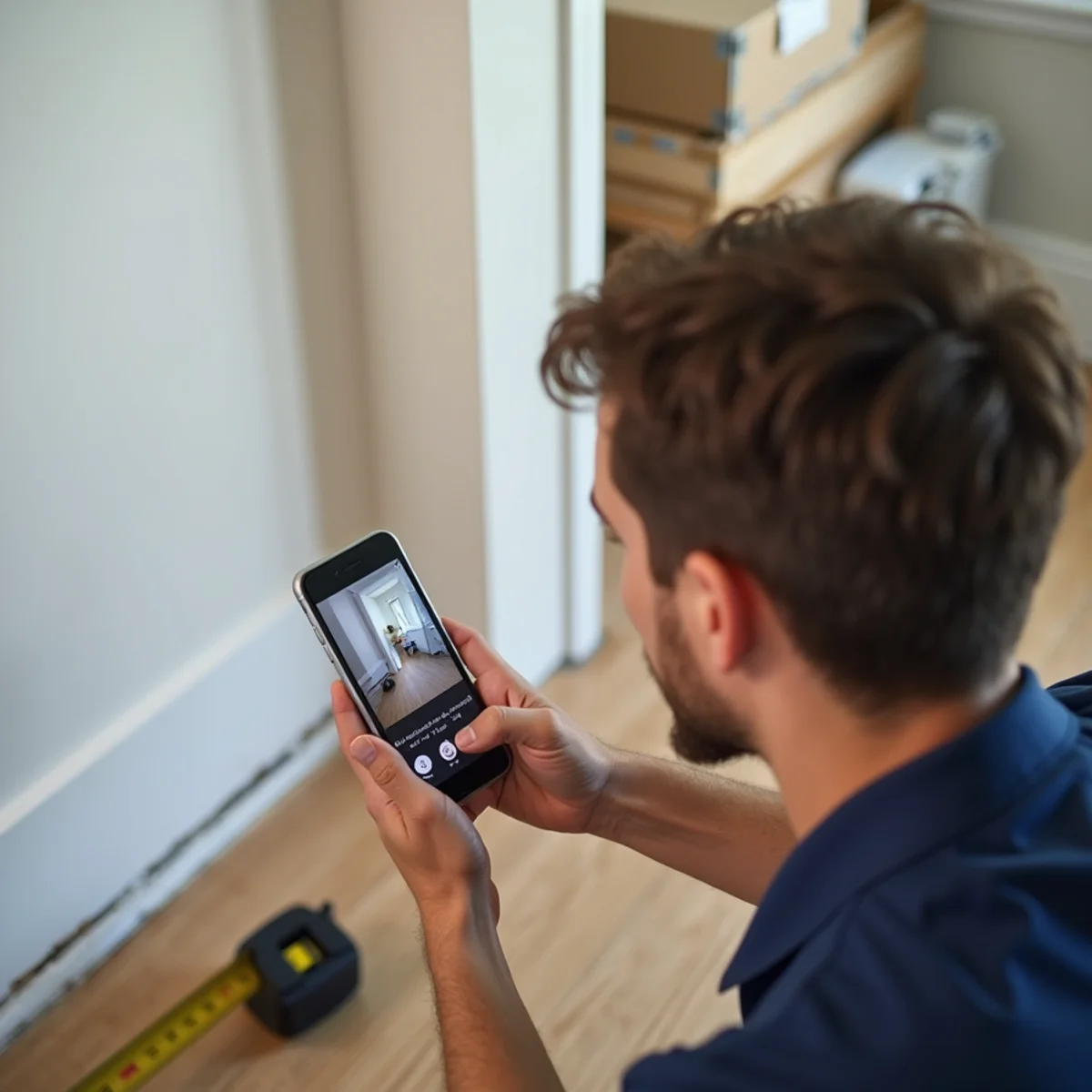
How to Document Water Damage for an Insurance Claim (Photo & Receipt Checklist)
Claims are paid from evidence, not recollection. Here's exactly what to capture, in what order, before anything gets cleaned up.
5 min read
Where we work
Residential Restoration across the Inland Empire
Based in Rancho Cucamonga, serving the surrounding cities and neighborhoods 24/7.
Need residential restoration in Rancho Cucamonga?
Free assessment, 60-minute dispatch, and a real person on the phone at any hour.
- Documented dry standard
- Bonded & insured
- 24/7 emergency response