
Cost & Insurance
How to Document Water Damage for an Insurance Claim (Photo & Receipt Checklist)
Dealing with this right now? We answer 24/7 and dispatch across Rancho Cucamonga in 60 minutes.
+1 (201) 277-9344Insurance claims are settled on evidence, not on what you remember. And once a house has been cleaned out, dried and rebuilt, the evidence no longer exists.
Everything below takes maybe twenty minutes and routinely makes a four-figure difference to what gets paid.
Do this before you clean anything
Yes, even while water is on the floor. Especially then.
The single most common expensive mistake we see is a homeowner who bagged and binned their ruined belongings before photographing them, then tried to claim from memory. Adjusters don't pay from memory.
The photo checklist
Use your phone. Video plus stills. Say what you're looking at out loud on the video — it timestamps and narrates itself.
1. The source
- The failed pipe, hose, valve or appliance, close up
- Wide shot showing where it is in the house
- Then keep the failed part. Bag it, label it, put it in the garage. Don't let a plumber take it away.
That last point matters more than any other single item here. A photograph of a split hose or a corroded pinhole is what distinguishes a sudden failure from long-term seepage — and that distinction is the difference between paid and denied.
2. The water line
- The height of the water on walls, baseboards, cabinets and furniture
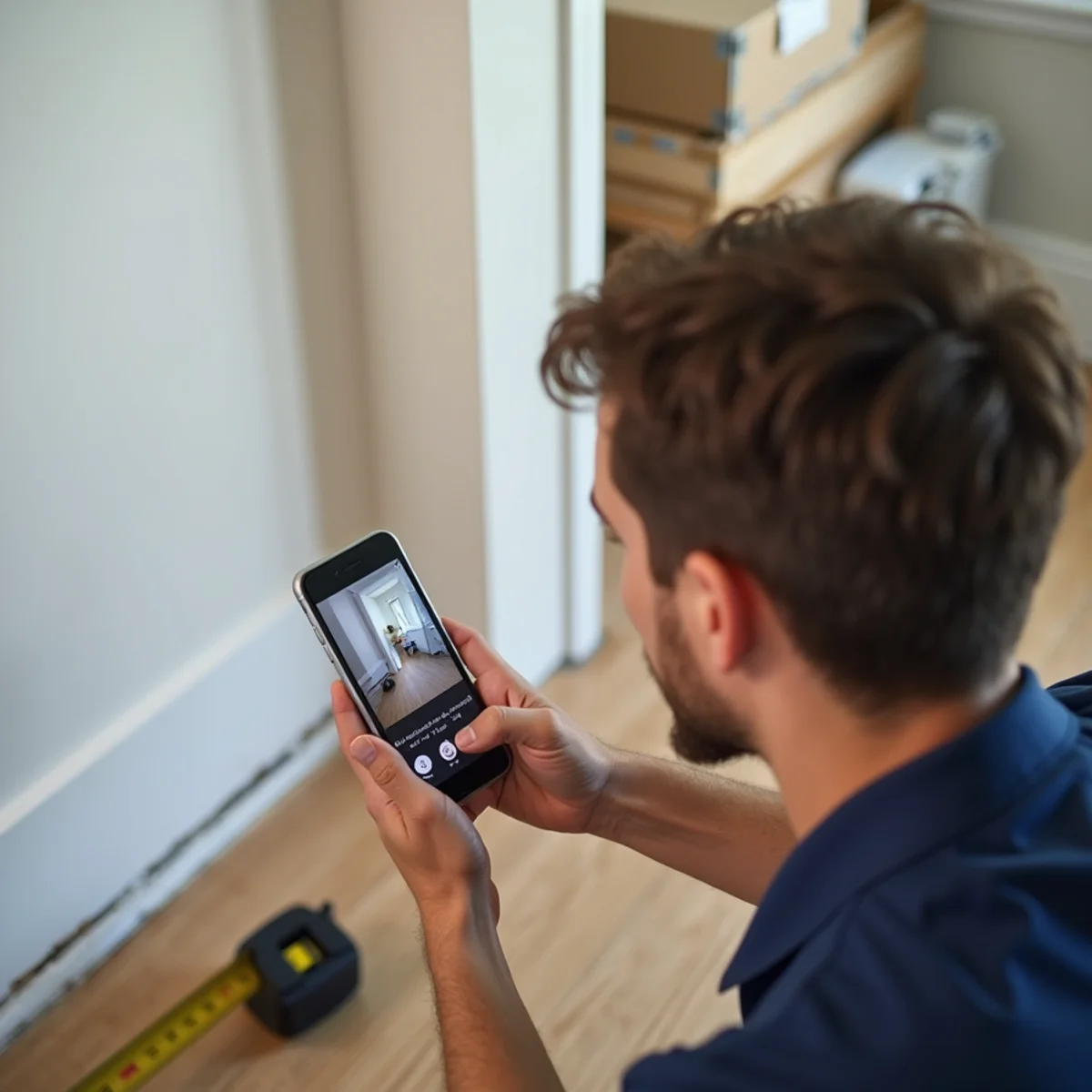
- Put something in frame for scale — a tape measure is ideal, a phone or a soda can works
That height determines your entire demolition and drying scope. It's the most consequential single measurement in the claim.
3. Every affected room
- Wide shot of each room from the doorway
- Then close-ups: flooring, wall bases, ceiling, under cabinets, inside vanities
- The transitions where water crossed into adjoining rooms
4. Every damaged item
Individually. Not one photo of a pile.
- Furniture, appliances, electronics
- Rugs, bedding, clothing, curtains
- Books, documents, photographs
- Stored belongings — boxes, seasonal items, tools
- Model and serial numbers where visible on appliances and electronics
5. The hidden places
- Inside cabinets, especially the base under the sink
- Behind and under the toilet
- The cabinet toe-kick area
- Under lifted flooring, if any is already up
- The ceiling in the room below, for an upstairs loss
- The crawl space, if accessible and if you have one
6. As it progresses
Water damage evolves. Photograph again at 12 hours, 24 hours, and when demolition begins. A ceiling stain that spreads over two days tells a story a single photo doesn't.
The contents inventory
Your personal property claim is a separate part of your policy from the structure, and it is paid from an inventory. If you don't produce one, you get paid for what you can prove.
For each significant damaged item, record:
- What it is, with brand and model
- Roughly when you bought it
- What you paid, or what it would cost to replace now
- Its condition before the loss
- A photo
Where to find proof of purchase: email receipts (search your inbox by brand), credit card and bank statements, Amazon and retailer order histories, warranty registrations, and photographs of the room taken before the loss — a birthday photo showing an intact living room is legitimate evidence of what was in it.
Replacement cost vs. actual cash value: if your policy pays actual cash value, you get depreciated value initially and the remainder when you actually replace the item and submit the receipt. Many people never claim the second half. Track it.
Keep everything, physically
Don't throw damaged material away until your adjuster has inspected it or explicitly released it. That includes cut-out drywall, carpet pad, ruined cabinet doors and destroyed contents.
Stage it in the garage or on the driveway, photographed. If it must go for health reasons — Category 3 contamination, for instance — photograph thoroughly first and get written confirmation from the restoration company documenting what was removed and why.
The written log
Start a single document — notes app, spreadsheet, notebook — and record:
- Every phone call: date, time, who you spoke to, what was said, any reference number
- Your claim number and adjuster's direct contact
- Every visit: who came, when, what they did
- Every expense, with receipts
If a claim becomes complicated, this log is the most useful document you own. It's also the one thing nobody thinks to start until they wish they had.
The receipts to keep
- Emergency mitigation invoices — often reimbursable separately and paid faster
- Any plumber or roofer invoice for the repair
- Hotel, meals and additional travel if you relocated (Additional Living Expenses coverage; ask your adjuster about ALE specifically, they don't always volunteer it)
- Replacement purchases for essentials
- Increased utility bills during drying — equipment runs 24 hours and the difference is frequently reimbursable
What a good restoration company adds
We produce documentation designed for the audience: moisture maps of every affected material, daily drying logs with readings from the same mapped points, equipment inventory and run hours, timestamped photographs throughout, a written scope with line items, and a final report with verified dry readings.
That package answers the questions adjusters ask before they ask them. And it means you're not the one defending why a Class 3 loss needed eleven air movers for five days.
We do this everywhere we work, from the older claim-heavy housing in Pomona to the rental-dense parts of southwest Rancho Cucamonga where owners and tenants frequently need separate documentation of the same event.
If the adjuster's number is too low
It happens, and it is usually a scope disagreement rather than a valuation one — the estimate covers less work than the job actually requires.
Ask for the adjuster's estimate as a line-item document rather than a total. Then compare it against your restoration contractor's scope, item by item. The gaps are typically specific and arguable: drying equipment days, removal of material that has to come out for access, the cavity between floors, cabinetry that cannot be dried in place, or the difference between patching a section of flooring and replacing a continuous run that has no match.
Where you disagree, respond with evidence rather than opinion — moisture readings, photographs, the contractor's written explanation of why a step is necessary. Supplemental claims are ordinary and expected in restoration work; scope frequently grows once material comes off and what is behind it becomes visible.
Most policies also contain an appraisal clause for genuine valuation disputes. It is worth knowing it is there before you need it.
The five-item version
If you do nothing else: photograph the source, photograph the water line with something for scale, photograph every room and every damaged item, keep the failed part, and start a written log.
Need help documenting a loss right now? Call +1 (201) 277-9344.
FAQ
Questions people also ask
What's the single most important thing to photograph?
The failed component — the split hose, the corroded pipe, the ruptured tank — before anyone replaces it, and then keep the part itself. That photo is what distinguishes a sudden failure from long-term seepage, and that distinction decides whether the claim is paid.
Can I throw out ruined belongings before the adjuster sees them?
Not if you want to be paid for them. Personal property claims are paid from an inventory with evidence. Photograph each item individually, record brand, model and approximate purchase date, and stage the items rather than binning them. If contamination forces removal, photograph thoroughly first and get written documentation from the restoration company.
Does insurance cover the extra electricity from drying equipment?
Frequently, yes — drying equipment runs 24 hours a day and the increase is real. Keep the bill and ask your adjuster. We include equipment run-hours in the documentation package so the increase can be substantiated.
How long should I keep all of this?
Keep the complete file for as long as you own the property, and hand it to the buyer when you sell. Claims can be reopened, supplements can arise months later, and a buyer's inspector who finds patched flooring is reassured by documentation and unsettled by its absence. Digital copies of the photographs, moisture logs, scope and invoices take no space and settle questions permanently.
Services mentioned
- Emergency Water RemovalOne number, answered by a person, any hour of any day — with a truck rolling before the call ends.
- Water Damage RestorationEmergency extraction, structural drying and full rebuild — one crew from the first phone call to the final walkthrough.
- Residential RestorationOne company from the first phone call to the final coat of paint — so you're not hiring three contractors mid-crisis.
Keep reading
Cost & Insurance
Flood Insurance vs. Homeowners Insurance: Why Storm Flooding Usually Isn't Covered
The exclusion that surprises people every winter — and how to tell whether your property actually needs a separate flood policy.
5 min read

Cost & Insurance
Sewage Backup Cleanup Costs — and Whether Your Insurance Will Actually Pay
The endorsement most people don't have, the material that has to come out regardless, and where the money actually goes.
5 min read
Cost & Insurance
What Drives Mold Remediation Costs Up (or Down) in an Inland Empire Home
Why the same square footage can cost three times more in a crawl space than a bathroom — and the cost nobody quotes you.
5 min read