How Restoration Works
Sewage Backing Up Into the Shower: Causes, Health Risks, and Safe Cleanup
Dealing with this right now? We answer 24/7 and dispatch across Rancho Cucamonga in 60 minutes.
+1 (201) 277-9344When sewage comes up through a shower or tub drain, it means one specific thing, and understanding it tells you what to do next.
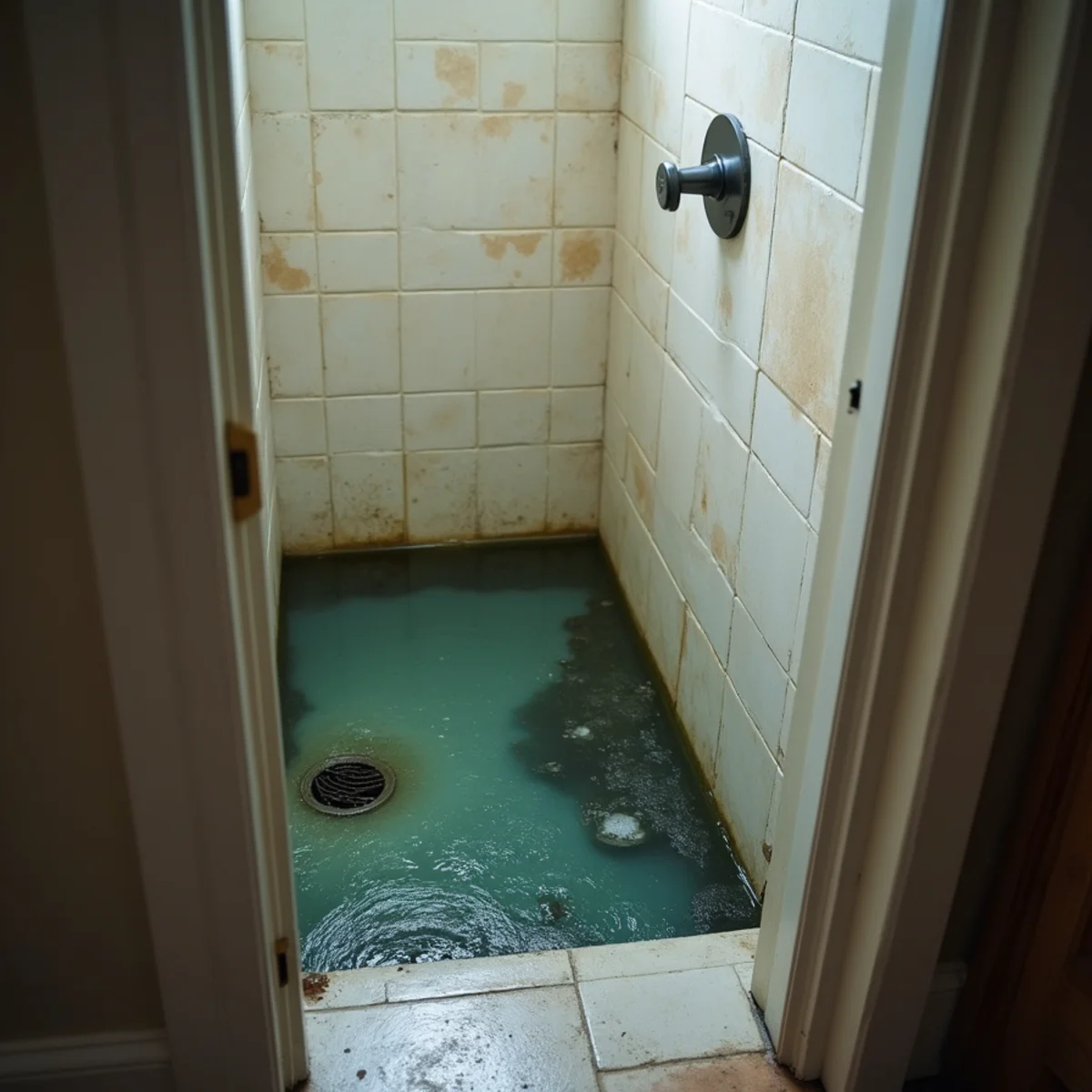
The short version: it means the blockage is downstream of every fixture in the house, in the main line rather than in a trap. The shower shows it first because its drain sits lower than the toilets and sinks, so it is the first place backed-up water has to go. Stop using every fixture immediately.
Why the shower, and not the toilet
Your drain system relies on gravity. Everything flows downhill to a single lateral line running out to the sewer main.
When that lateral is blocked, waste water backs up — and it exits at the lowest opening in the system. A shower or tub drain sits lower than a toilet rim, lower than a sink. So that's where it comes out first.
Which means: sewage in the shower is a main line problem, not a shower problem. Snaking the shower drain will accomplish nothing, because the blockage is downstream of it.
Confirm it in thirty seconds
Run a sink or flush a toilet somewhere else in the house and watch the shower drain. If the level rises, you've confirmed a main line blockage.
Then stop using every fixture in the house. No sinks, no toilets, no laundry, no dishwasher. Every gallon you send down goes into a blocked line and comes back up through your floor. This is the single most important thing you can do, and it's the thing people most often get wrong — they keep using an upstairs bathroom while a downstairs one backs up.
The health risk is real
What's coming up is Category 3 water — grossly contaminated, carrying bacteria, viruses and parasites. The organisms of concern include E. coli, salmonella, hepatitis A, giardia and cryptosporidium.
Exposure routes are contact, ingestion and inhalation of aerosolised droplets.
Immediately:
- Keep everyone out of the affected area, especially children and pets
- Keep anyone immunocompromised, pregnant or elderly out of the house entirely if the affected area is central
- Don't run the HVAC — it will distribute contaminated air through the whole house
- Don't attempt to clean it with household equipment; a home vacuum spreads contamination and disinfectant sprayed over soaked material does essentially nothing
- Photograph it from the doorway
Why main lines block here
Two causes dominate in this region.
Root intrusion. Mature street trees send roots toward the moisture and nutrients at the joints of older clay laterals. They enter, then grow into a mat that catches everything flushed past it. This is the leading cause in the older tree-lined neighborhoods — Claremont around the Village and the Colleges, the pre-1960 parts of Pomona, downtown Upland and Ontario, and Historic Cucamonga.
Grease and wipes. "Flushable" wipes don't break down. They snag on any irregularity in the pipe, and combined with cooking grease poured down a kitchen sink they build a blockage over months that appears to arrive overnight.
Less commonly: a collapsed or offset section of pipe, bellied line from soil movement, or a blockage in the municipal main itself.
The warning signs you almost certainly got
Main line blockages announce themselves well before they overflow:
- A toilet that gurgles when a nearby sink drains
- A shower or tub draining slower over a period of weeks
- Water rising in the shower when the washing machine discharges
- Two or more fixtures running slow at the same time
- A faint sewer smell near a floor drain
Any of those means the lateral is partially obstructed. A camera inspection at that point costs a service call.
What proper cleanup involves
Category 3 remediation is a specific process, and shortcuts are how a bathroom problem becomes a house problem.
Containment. Physical barriers plus negative air pressure with HEPA filtration before any demolition starts.
Extraction with dedicated equipment and appropriate disposal.
Removal of contaminated porous materials to a documented line — carpet, pad, drywall below the line, insulation, particle board cabinetry. These cannot be disinfected in place because the contamination is internal.
Clean, then disinfect. Physical cleaning removes the soil load; an EPA-registered antimicrobial then treats the cleaned surfaces. In that order.
Deodorise at the source, not with fragrance.
Dry and verify to a documented standard, then rebuild.
Full detail on sewage cleanup.
Insurance
Sewer and drain backup is typically excluded from standard California homeowners policies unless you carry a water backup and sump overflow endorsement — which usually carries its own sub-limit.
Check your declarations page. If the blockage was in the municipal main rather than your private lateral, there may be a separate claim path against the responsible agency, with specific and short filing deadlines. That's another reason documented evidence of where the blockage occurred matters.
What not to pour down it
The instinct is to reach for a drain chemical, and on a main line blockage it is the wrong move for three separate reasons.
It will not work. Caustic and acid drain products are formulated for a localised clog in a fixture trap — hair, grease, soap. A main line obstructed by a root mat, a collapsed section or a bellied run is not something a bottle of chemical reaches, because the product dilutes into standing water long before it gets there.
It makes the cleanup worse. You now have a caustic chemical mixed into the waste water sitting in your shower pan, which is a hazard for whoever handles it next — quite possibly you.
And it can damage the line. Repeated chemical use degrades older cast iron and the seals in some joints, which on a pipe that is already at the end of its life is a genuine risk.
The correct sequence is simple: stop using every fixture in the house, because each one adds volume to a system with nowhere to send it, and get the line cleared mechanically and inspected. If your property shares a lateral with a neighbour, tell them too — they are contributing to the same pipe.
Stopping the next one
Camera inspection every few years if you're in an older neighborhood with mature trees. It catches a forming root mat while it's still a hydro-jetting job.
Nothing but toilet paper goes down a toilet. Wipes, hygiene products, paper towels and cotton pads all cause blockages.
Grease goes in the bin, not the sink, even with hot water running.
A backwater valve on the lateral physically prevents flow back into the house from a blocked main. Worth pricing if this has happened before.
Sewage backing up now? Call +1 (201) 277-9344 and keep everyone out of the room.
FAQ
Questions people also ask
Why is sewage coming up in the shower and not the toilet?
Because the shower drain is the lowest opening in your drain system. When the main lateral is blocked, waste backs up and exits at the lowest point available. It also tells you the problem is the main line rather than the shower — snaking the shower drain won't help.
Can I clean up a sewage backup myself?
Not safely for anything beyond a small area of hard, non-porous flooring — and even then with gloves, eye protection and a proper disinfectant. Sewage carries pathogens that cause serious illness, household vacuums spread contamination rather than remove it, and anything that reached carpet, drywall or cabinetry needs professional Category 3 remediation.
How do I stop it getting worse right now?
Stop using every fixture in the house immediately — no sinks, toilets, laundry or dishwasher. Everything you run goes into a blocked line and comes straight back up through your floor. Then keep everyone out of the affected rooms and don't run the HVAC.
Should I pour drain cleaner down it first?
No, on three counts. It will not reach a main line blockage, because it dilutes into the standing water long before it gets there. It puts a caustic chemical into waste water that somebody then has to handle. And repeated use degrades older cast iron and joint seals on a pipe that is often already at the end of its life. Stop using every fixture and get the line cleared mechanically.
Services mentioned
- Sewage CleanupCategory 3 black water handled properly: PPE, containment, removal of contaminated material, disinfection and odor control.
- Emergency Water RemovalOne number, answered by a person, any hour of any day — with a truck rolling before the call ends.
- Mold RemediationContainment, HEPA filtration, source removal and moisture correction — remediation that fixes the cause, not just the stain.
Keep reading
How Restoration Works
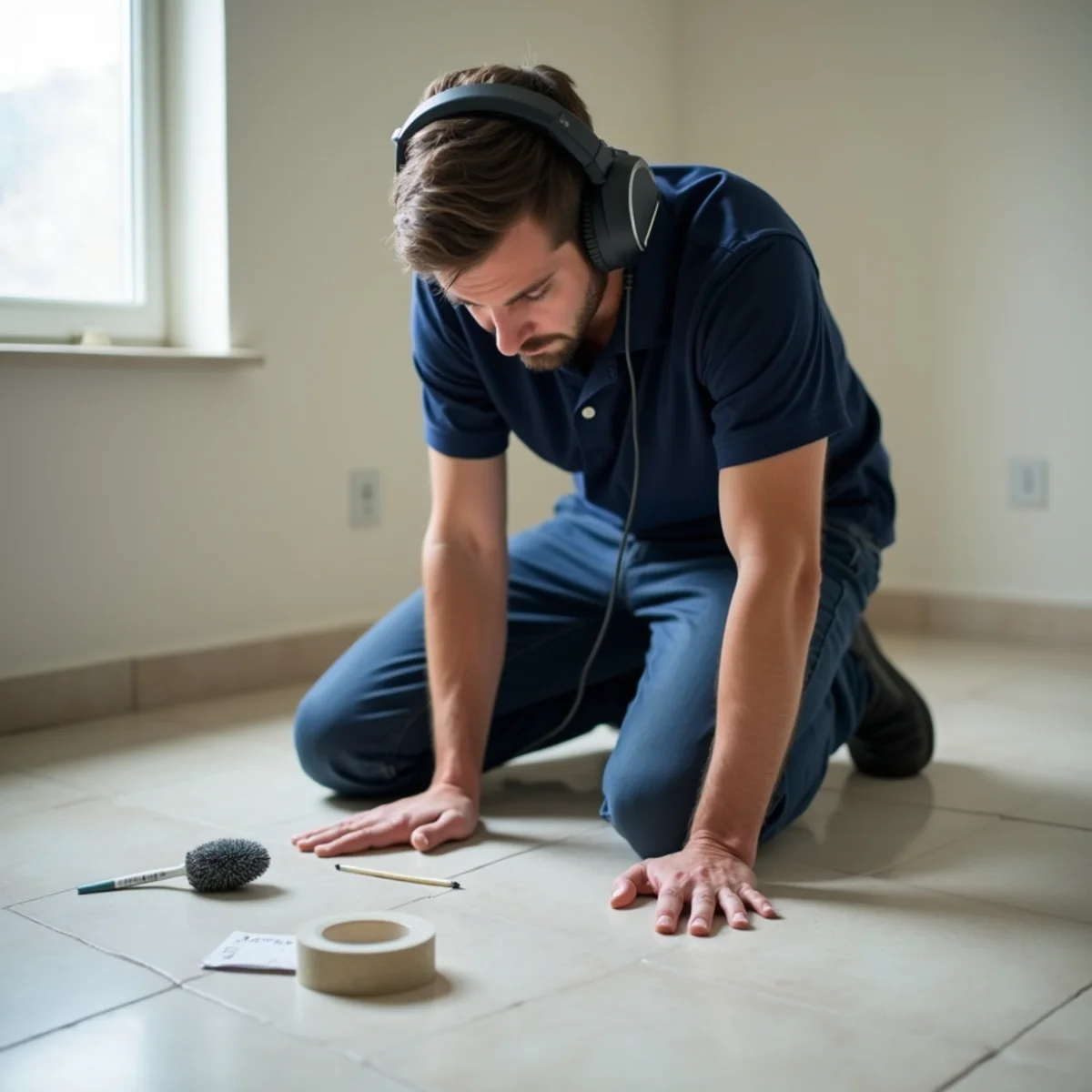
How Pros Find Slab Leaks Without Tearing Up Your Whole Floor
Four techniques that turn 'somewhere under the west half of the house' into a marked spot on your floor.
5 min read
How Restoration Works
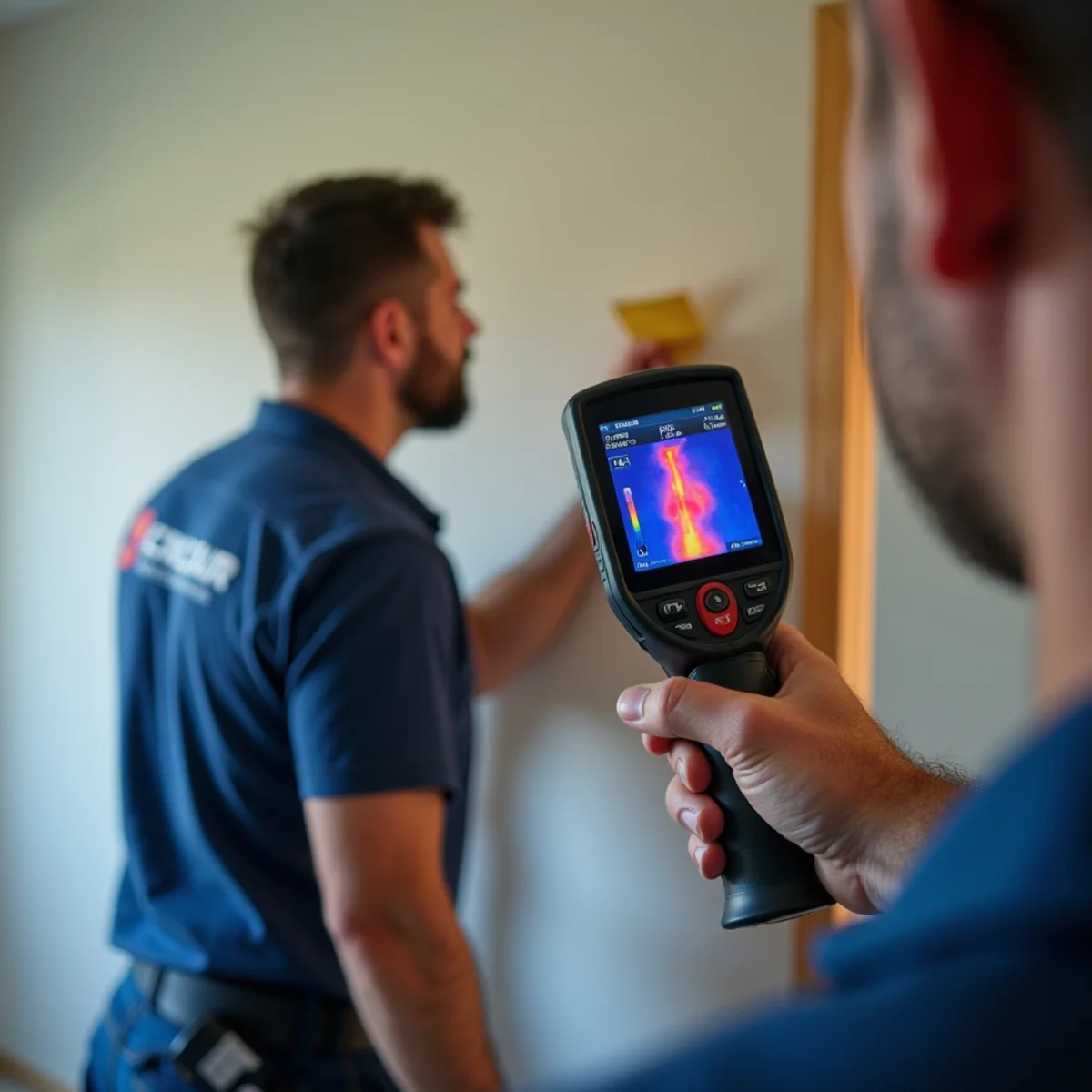
Hidden Leak Symptoms: Warm Floor Spots, High Water Bills, and the Sound of Running Water
Hidden leaks announce themselves indirectly. Here are the signals worth acting on, and the meter test that settles it.
5 min read
How Restoration Works
Black Mold vs. Mildew: How to Tell the Difference and When to Call a Pro
One wipes off a shower tile. The other is growing in the material. Here's how to tell which you have without a lab.
5 min read