
How Restoration Works
Hidden Leak Symptoms: Warm Floor Spots, High Water Bills, and the Sound of Running Water
Dealing with this right now? We answer 24/7 and dispatch across Rancho Cucamonga in 60 minutes.
+1 (201) 277-9344The expensive leak is never the one that floods your kitchen. It's the one that ran quietly behind a wall or under a slab for three months.
Hidden leaks do announce themselves — just indirectly. Here's what to watch for.
The seven signs
1. Your water bill jumped with no change in usage

The most reliable early indicator there is. A pinhole under a slab runs continuously, 24 hours a day, and bills frequently double before anything is visible.
Compare your bill month over month, and to the same month last year. An unexplained increase is worth investigating rather than waiting for the next statement.
2. A warm spot on the floor

The classic hot-side slab leak. Escaping hot water heats the concrete above it, and it's usually noticed barefoot in a hallway or bedroom.
People routinely attribute this to sun through a window or a heating vent for months. If the warm patch is in a consistent place and doesn't move with the sun, treat it as a slab leak until proven otherwise.
3. You can hear running water with everything off

Turn off every fixture, wait, and stand still in a quiet house. A faint continuous hiss, trickle or rushing sound means pressurised water is escaping somewhere.
Best done late at night when ambient noise is lowest.
4. Declining water pressure

Pressure falling gradually across the whole house — not one fixture — points either to a substantial leak or, in older homes with galvanized steel, to internal corrosion narrowing the pipes. Both need attention.
5. Damp patches, staining or bubbling paint
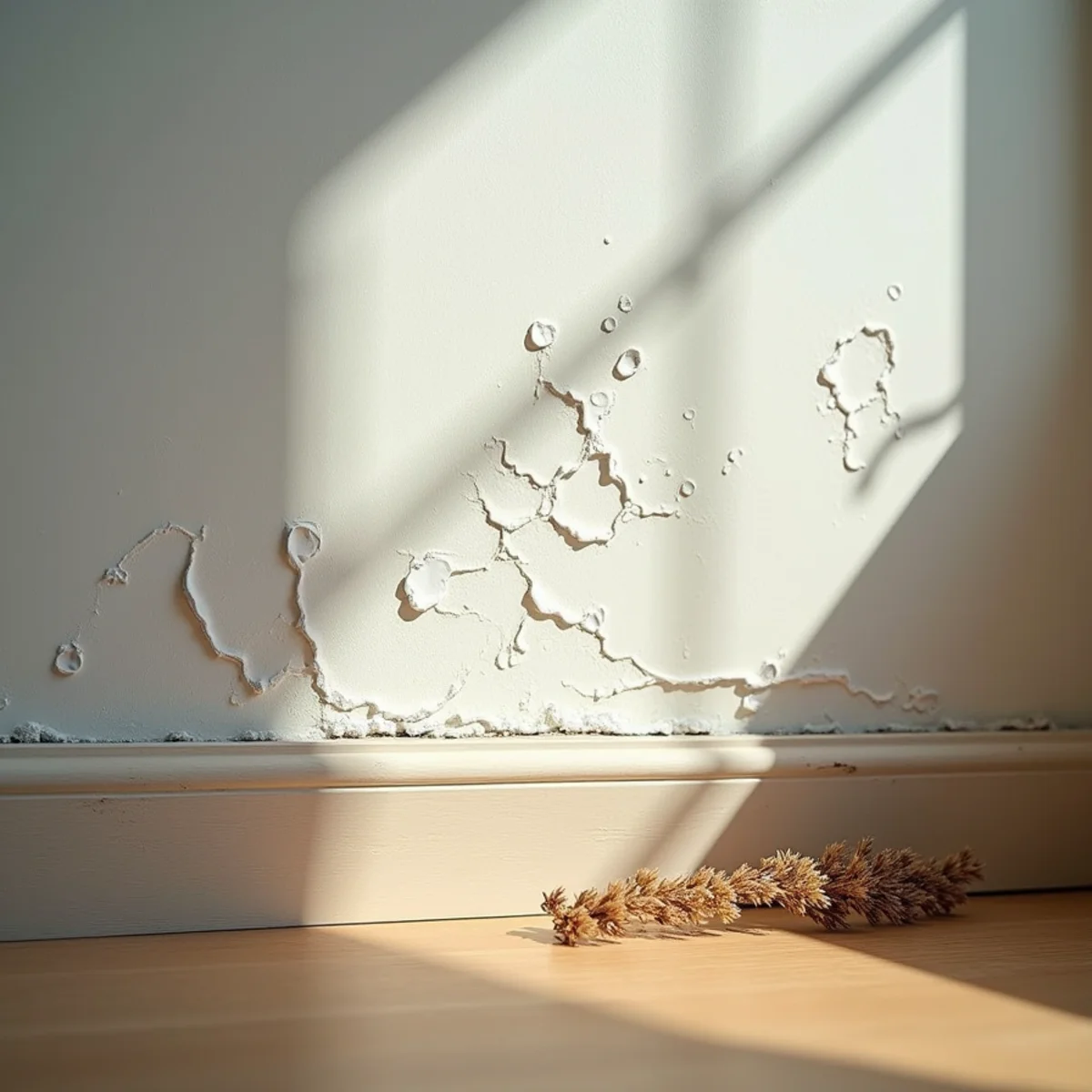
Localised discoloration on a wall or ceiling, a baseboard that feels soft, paint bubbling in one area, or an area of flooring that never quite dries out.
Remember that water travels. The visible damage is often several feet from the actual failure.
6. A musty smell with no obvious source

Microbial growth requires moisture. A persistent musty smell in one room, or a whole-house smell that's stronger at floor level, means something is wet.
7. An unusually green or soggy patch in the yard

A leaking service line or irrigation main fertilises what's above it. A strip of grass noticeably greener and faster-growing than everything around it is a giveaway, as is a soft or spongy patch that stays wet between waterings.
The two-minute test that settles it
You can confirm a leak yourself, right now, with no equipment.
- Turn off every water-using fixture and appliance. Every tap, the ice maker, the irrigation controller, the pool auto-fill. Everything.
- Find your water meter — usually in a box near the street.
- Look at the leak indicator. Most meters have a small triangle, dial or star that spins with even a tiny flow.
- Watch it for a couple of minutes. Any movement means water is leaving the system.
- To narrow it down: close the main shut-off at the house. If the indicator stops, the leak is inside or under the house. If it keeps moving, the leak is in the service line between the meter and the house.
That last step is genuinely useful — it separates a plumbing problem from a yard excavation before anyone quotes you anything.
You can also record the meter reading before bed and again before anyone uses water in the morning. A difference means a leak.
How professionals locate it
Confirming a leak exists is easy. Finding it without demolishing your house is the skill.
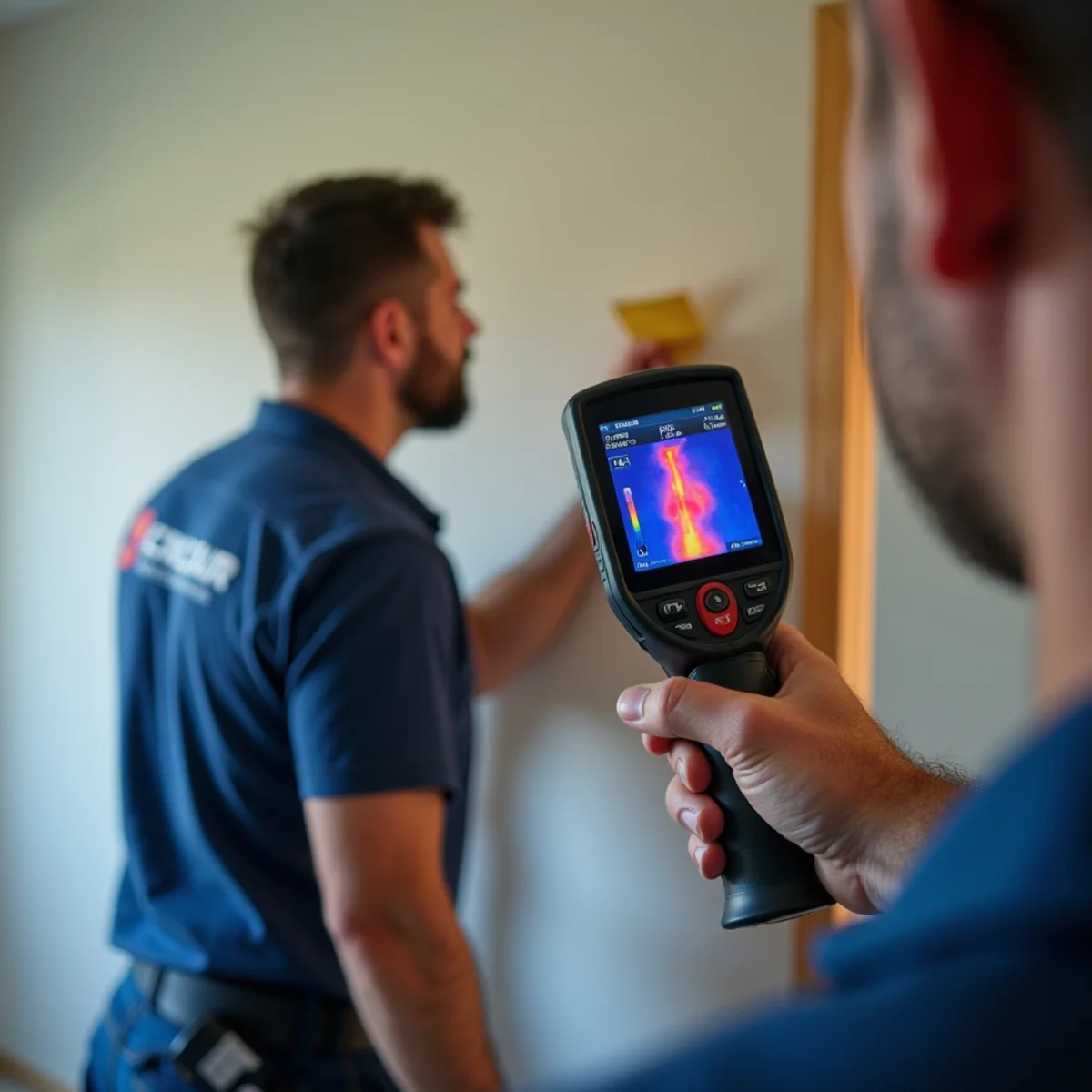
Thermal imaging reads surface temperature differences — escaping hot water produces a warm signature through slab or wall, evaporative cooling from a cold-water leak produces a cool one.
Acoustic listening. Ground microphones and amplified equipment trace the sound of escaping pressurised water to a point, through concrete or soil.
Moisture meters confirm which materials are actually wet and how far it has spread.
Pressure isolation determines which line is failing — supply or drain, hot or cold — before anyone opens anything.
Used together, these narrow a leak from "somewhere in the house" to a specific point, so the access opening is small, planned and patchable. Full detail on leak detection.
Why this matters here specifically
Roughly two-thirds of Rancho Cucamonga's owner-occupied housing was built between 1980 and 1999 — slab-on-grade with copper supply lines routed through the concrete. That copper is now 35 to 45 years old in hard water that pits it from the inside.
Which means the hidden leak in this city has a signature: in-slab, hot side, quiet, and running for weeks before the water bill gives it away.
In the older housing across Upland and the pre-1960 cores, it's galvanized steel corroding internally instead — same silence, different pipe. And in 1990s tracts like Windrows, it's copper entering the early part of that window now.
Where they hide, by the age of the house
The signs are the same everywhere; where the leak actually is depends heavily on when the house was built.
Pre-1960. Galvanized supply lines corroding from the inside, so leaks appear inside walls and at old repair transitions between dissimilar metals. Falling pressure across the whole house is the systemic warning.
1960s–1980s slab-on-grade. Copper routed through the concrete, now at the age where pinhole corrosion is routine. The classic presentation is a warm floor patch, a jumped water bill, or damp flooring with nothing above it.
1990s–2000s tract housing. Fewer pipe failures, more connection failures — angle stops, braided supply lines, washing machine hoses, water heater fittings, all installed at the same time and all reaching the end of their service lives together.
Post-2000 construction. Appliance connections and installation details. Icemaker lines, dishwasher supply connections, shower pans that were not sealed correctly, and condensate lines routed somewhere they should not have been.
Knowing the era does not find the leak, but it tells you and your plumber where to look first — which on a hidden leak is most of the work.
The cost of waiting
A slab leak found in week one: locate, repair or reroute, dry the slab, replace some flooring.
The same leak found in month three: all of the above, plus mold under the flooring, plus wall bases wicked and growing, plus a containment and remediation phase, plus a longer rebuild.
Two of those seven signs together is enough. Free detection assessment: +1 (201) 277-9344.
FAQ
Questions people also ask
How can I check for a leak without any equipment?
Turn off every fixture and appliance that uses water, then watch the leak indicator on your water meter — the small triangle or dial that spins with any flow. Movement means water is leaving the system. Then close the main at the house: if the indicator stops, the leak is inside; if it keeps moving, it's in the service line to the street.
Is a warm spot on the floor always a slab leak?
Not always, but it's the most common explanation and it deserves investigating rather than dismissing. Rule out sun through a window and heating ducts first. If the warm patch stays in the same place regardless of time of day, treat it as a slab leak — especially if your water bill has also risen.
Do you have to cut into walls or floors to find a leak?
No. Locating is non-invasive — thermal imaging, acoustic listening, moisture mapping and pressure isolation narrow it to a specific point. Any opening comes afterwards, at the located point, and it's small and planned rather than exploratory.
Where do hidden leaks usually hide in a house of my age?
Pre-1960: galvanized supply lines corroding inside walls, with falling pressure across the house as the systemic warning. 1960s–80s slab homes: copper through the concrete, presenting as a warm floor patch or a jumped bill. 1990s–2000s tracts: connections rather than pipe — angle stops, braided lines, hoses, water heaters. Post-2000: appliance connections and installation details like shower pans and condensate routing.
Services mentioned
- Leak DetectionThermal imaging, acoustic listening and moisture meters find the leak before we open anything up.
- Slab Leak DamageThe most common serious leak in Rancho Cucamonga's 1980s–90s tract homes. Detection, drying and full restoration.
- Mold RemediationContainment, HEPA filtration, source removal and moisture correction — remediation that fixes the cause, not just the stain.
Keep reading

How Restoration Works
How Pros Find Slab Leaks Without Tearing Up Your Whole Floor
Four techniques that turn 'somewhere under the west half of the house' into a marked spot on your floor.
5 min read
How Restoration Works
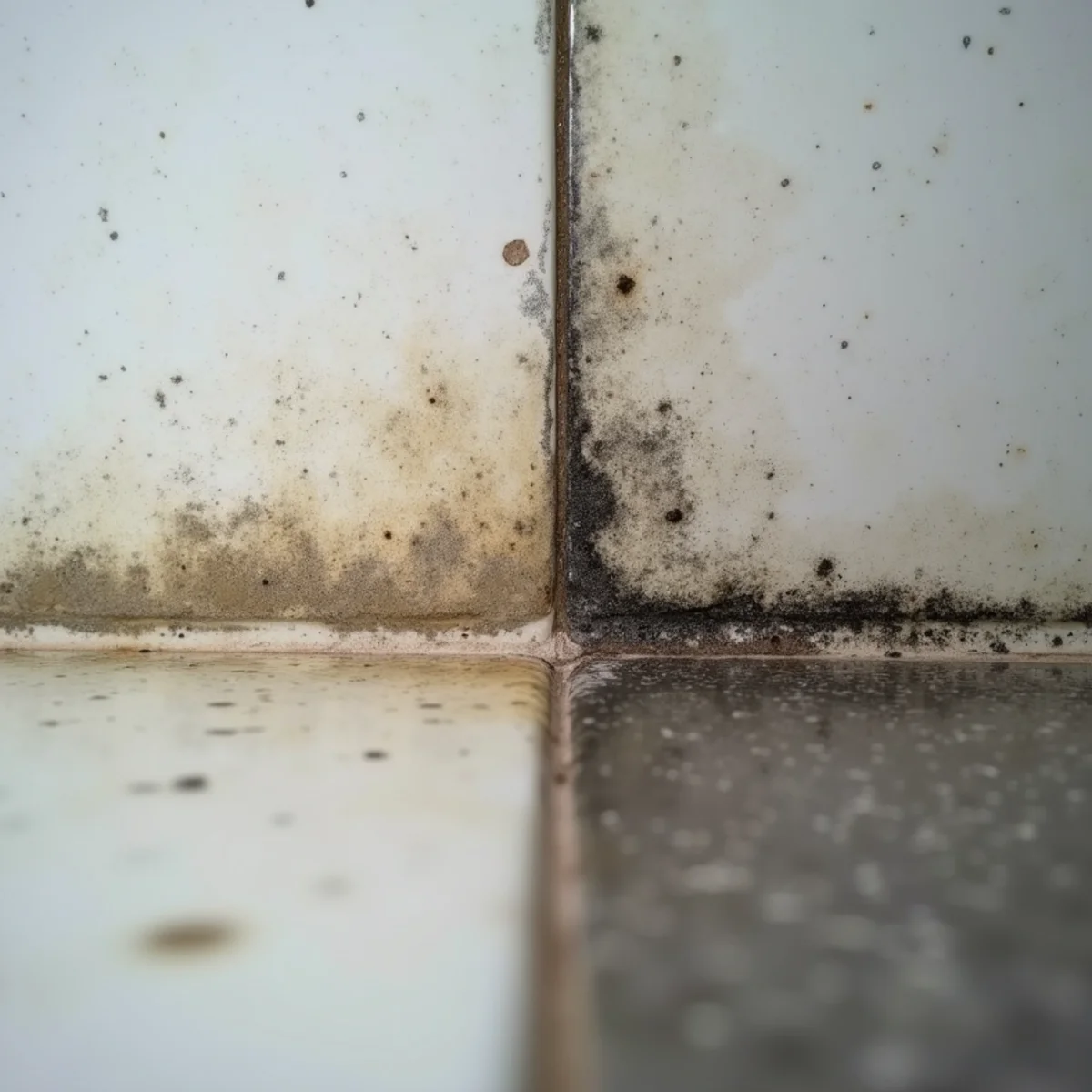
Black Mold vs. Mildew: How to Tell the Difference and When to Call a Pro
One wipes off a shower tile. The other is growing in the material. Here's how to tell which you have without a lab.
5 min read
How Restoration Works
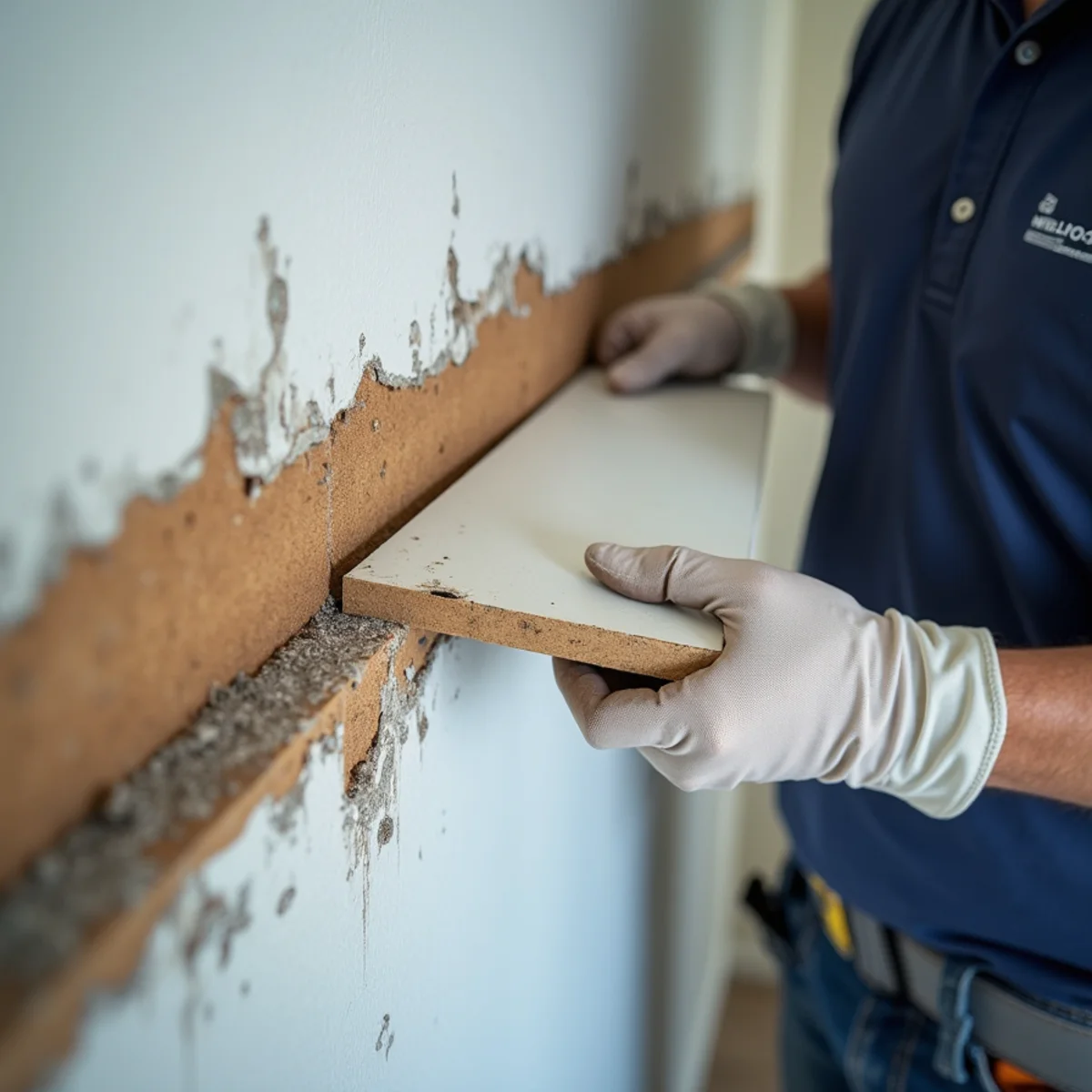
How Fast Does Mold Grow After a Leak? Inside the 24–48 Hour Window
The clock that decides whether your loss is a dry-out or a demolition — and what makes it run faster in an Inland Empire house.
5 min read