
How Restoration Works
Tree Roots in Your Sewer Line: Warning Signs to Catch Before the Backup
Dealing with this right now? We answer 24/7 and dispatch across Rancho Cucamonga in 60 minutes.
+1 (201) 277-9344Root intrusion is one of the few plumbing failures that gives you weeks of warning. Almost nobody acts on it, which is why we spend so much time on Category 3 cleanups that were entirely preventable.
Here's what to watch for.
Worth knowing before you call anyone, because it decides who pays:
- The main in the street is the city's or the district's responsibility.
- The lateral from your house to that main is almost always the property owner's — including the section running under the public sidewalk and parkway in most jurisdictions.
- A shared lateral serving two properties is a matter for both owners, and the CC&Rs or the deed usually say how.
How roots get into a sewer line
A sewer lateral carries a constant supply of water and nutrients. Tree roots detect that and grow toward it.
They enter at joints — the connections between sections of pipe — and at cracks. Older clay pipe is the most vulnerable because it was laid in short sections with many joints, and the joints degrade over decades. Cast iron and older ABS are also susceptible where they've cracked or offset.
Once inside, a root doesn't block the pipe directly. It grows into a fine mat across the flow, and that mat catches everything flushed past it — paper, grease, solids. The blockage builds gradually until the day it doesn't pass anything.
The warning signs, in the order you'll notice them
1. Gurgling. A toilet that burbles when a nearby sink or the washing machine drains. That's air being displaced past a partial obstruction. Usually the very first sign.
2. Slow drains getting slower. Not one fixture — several, over weeks. A single slow drain is a local clog. Multiple slow drains means the shared line.
3. Water rising where it shouldn't. The shower filling slightly when the washing machine discharges. The tub holding water when a toilet flushes.
4. Sewer smell. Faint, intermittent, usually near a floor drain or the lowest bathroom.
5. Unusually green grass in a line across the yard. A leaking lateral fertilises what's above it. A strip of grass noticeably greener and faster-growing than the rest is a giveaway.
6. Sinkholes or soft spots in the lawn along the lateral run.
If you have any two of these, you have a lateral problem.
How it's confirmed
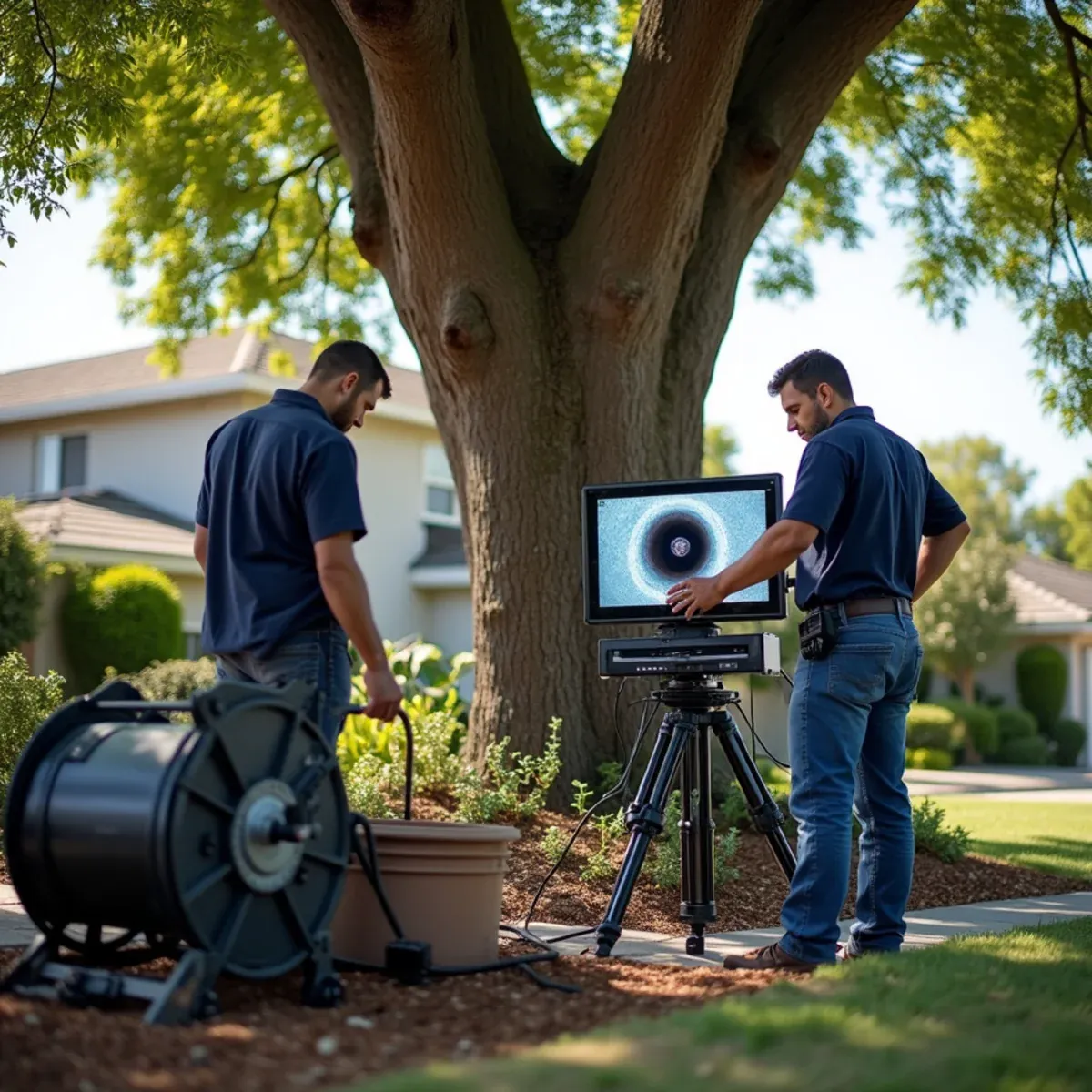
A sewer camera inspection. A plumber runs a camera down the lateral from a cleanout and you see exactly what's in there, where, and how bad.
It's an inexpensive service call and it's the only way to know whether you're dealing with roots, grease, a belly, a crack or an offset — because the fixes differ.
Ask for the video. Any plumber running a camera can give you the footage, and it's worth having.
The fixes, cheapest to most permanent
Hydro-jetting. High-pressure water scours the pipe interior and cuts through the root mat. Effective, non-destructive, and the usual first response. The roots grow back, so this is maintenance rather than a cure — typically repeated every year or two on a line with a known intrusion.
Mechanical rodding with a root cutter. Similar principle, mechanical rather than hydraulic.
Chemical root treatment. Foaming root-killing products applied through the line inhibit regrowth. A supplement to jetting rather than a replacement, and worth checking local wastewater rules before using.
Pipe lining (CIPP). A resin-saturated liner is inserted and cured in place, forming a new jointless pipe inside the old one. No trenching, and it eliminates the joints roots enter through. Considerably more expensive than jetting, considerably cheaper than excavation.
Pipe bursting or full replacement. The old pipe is replaced entirely. The permanent answer, and the most expensive and disruptive.
The right choice depends on the camera footage: a single intrusion point in otherwise sound pipe suits jetting and monitoring; a lateral with multiple intrusions, cracks and offsets is a lining or replacement conversation.
The math on acting early
Jetting a line before it blocks is a scheduled service call.
Category 3 cleanup after waste reaches carpeted living space involves containment, negative air, removal of carpet, pad, drywall and possibly cabinetry, disinfection, drying and reconstruction — a job in an entirely different price bracket, most likely uninsured unless you carry a water backup endorsement.
The warning signs above are your opportunity to stay in the first category.
Where this happens most locally
Anywhere mature trees and older laterals coexist, which describes a lot of the west valley:
The Village and Colleges neighborhoods in Claremont, where the street canopy is a defining feature. Pre-1960 Pomona and the Lincoln Park area. Downtown Upland's Old Magnolia district and downtown Ontario along the Euclid median. Historic Cucamonga. And established neighborhoods like Beryl Park where thirty-plus years of landscaping now sits over the original laterals.
Newer neighborhoods with PVC laterals and young landscaping are largely unaffected — for now.
What a camera inspection actually shows
The recommendation to "get it scoped" is easy to give and easy to ignore, so it is worth knowing what the process produces and what you should get out of it.
A drain camera goes in through a clean-out and travels the length of the lateral, recording as it goes. Along with the video, it gives you a distance reading — so a finding is reported as something specific, like a root intrusion at a joint thirty-two feet from the clean-out, rather than a vague "your line has roots".
What that distance buys you is precision on the repair. Thirty-two feet from the clean-out might place the problem under a lawn, under a driveway, or under a mature tree, and each of those is a very different excavation. It also determines whether a trenchless liner is viable, or whether a section has to be dug and replaced.
A camera survey typically also finds the things nobody was looking for: a bellied section holding water, an offset joint from ground movement, or a crushed length from an old repair.
Ask for the footage and the distance log as files you keep. If you sell the house, or if the problem recurs, that record is worth having.
The three-step recommendation
If you have any of the warning signs, get a camera inspection. If you're in an older neighborhood with mature trees and haven't had one, get one anyway — every few years is reasonable. And if your policy doesn't include a water backup endorsement, add it; it's inexpensive and this is exactly the scenario it exists for.
Already backed up? Sewage cleanup: +1 (201) 277-9344.
FAQ
Questions people also ask
What's the first sign of roots in a sewer line?
Usually gurgling — a toilet that burbles when a nearby sink or the washing machine drains. That's air being displaced past a partial obstruction. It's followed by multiple drains slowing over a period of weeks, and water rising in a shower when another fixture discharges.
Will hydro-jetting fix it permanently?
No — it clears the root mat and restores flow, but the roots grow back through the same entry point. On a line with known intrusion, jetting becomes maintenance every year or two. The permanent fixes are pipe lining, which eliminates the joints roots enter through, or full replacement.
How often should an older home have its sewer line inspected?
Every few years is reasonable if you have mature trees and a clay or cast iron lateral, and immediately if you have any of the warning signs. A camera inspection is an inexpensive service call, and it catches a forming root mat while it's still a jetting job rather than a Category 3 cleanup.
Who is responsible for the pipe — us or the city?
The main in the street belongs to the city or the district; the lateral running from your house to that main is almost always the property owner's, including the section under the public sidewalk and parkway in most jurisdictions. That surprises people, and it is worth establishing before a repair is quoted. Where two properties share a lateral, the deed or the CC&Rs usually say how costs are split.
Services mentioned
- Sewage CleanupCategory 3 black water handled properly: PPE, containment, removal of contaminated material, disinfection and odor control.
- Leak DetectionThermal imaging, acoustic listening and moisture meters find the leak before we open anything up.
- Water Damage RestorationEmergency extraction, structural drying and full rebuild — one crew from the first phone call to the final walkthrough.
Keep reading

How Restoration Works
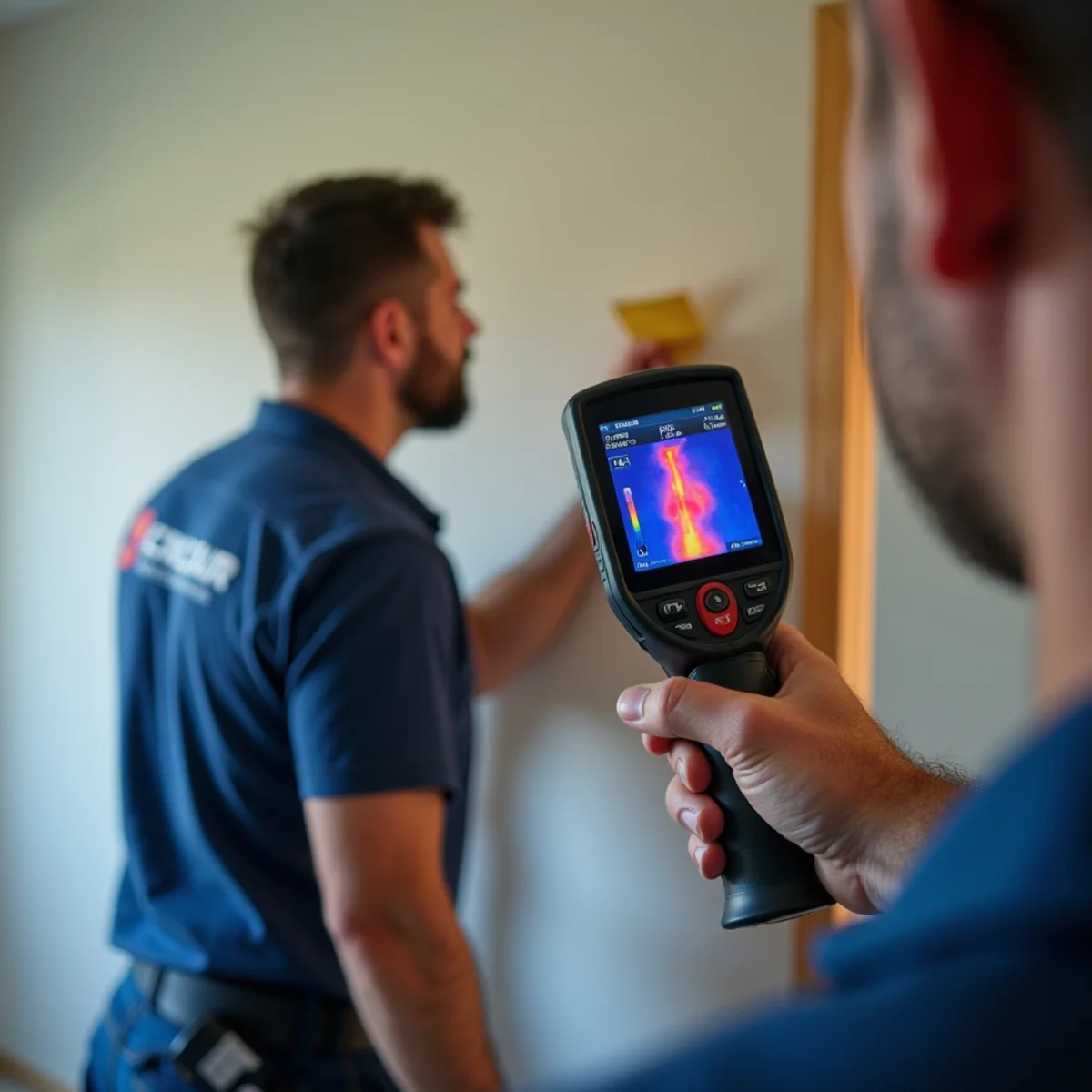
How Pros Find Slab Leaks Without Tearing Up Your Whole Floor
Four techniques that turn 'somewhere under the west half of the house' into a marked spot on your floor.
5 min read
How Restoration Works
Hidden Leak Symptoms: Warm Floor Spots, High Water Bills, and the Sound of Running Water
Hidden leaks announce themselves indirectly. Here are the signals worth acting on, and the meter test that settles it.
5 min read
How Restoration Works
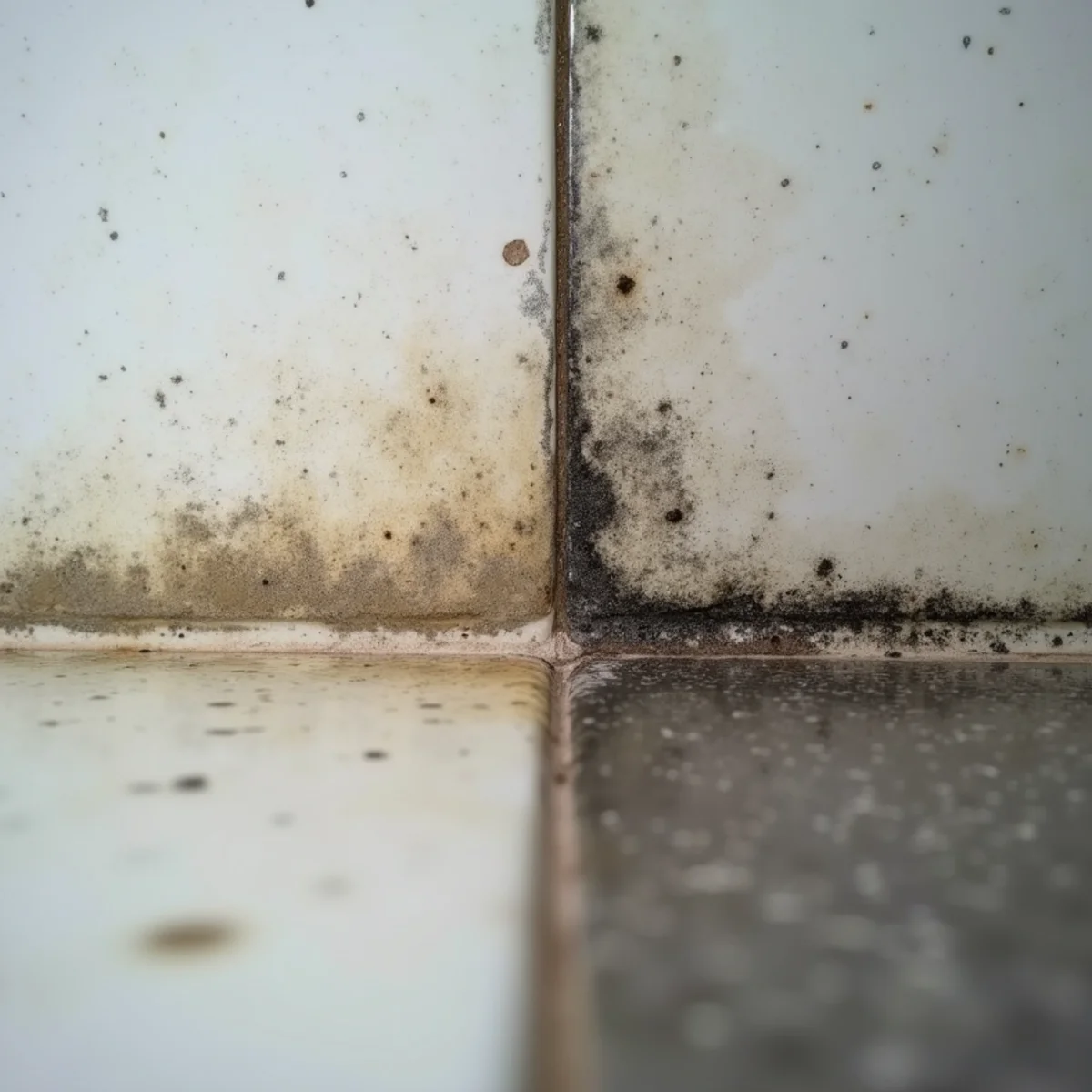
Black Mold vs. Mildew: How to Tell the Difference and When to Call a Pro
One wipes off a shower tile. The other is growing in the material. Here's how to tell which you have without a lab.
5 min read