
Free Written Estimate
Fire & Smoke Damage Restoration in Rancho Cucamonga, CA
Soot, smoke odor and the suppression water underneath it — cleaned, dried and deodorised at the source.
- Documented dry standard
- Bonded & insured
- 24/7 emergency response
Most people call us about the burn. The burn is usually the smallest part.
What actually determines how much of a property survives a fire is what happens in the days afterwards: acidic soot sitting on metal and grout, odor migrating into porous material, and the thousands of gallons the fire service put into the building to stop it. Call +1 (201) 277-9344.
Water actively spreading? Call now — every hour widens the damage and the bill.
+1 (201) 277-9344Do you need this service?
Why the first 48 hours matter more than the fire did
Soot is acidic. It keeps damaging surfaces long after the flames are out, and the sequence is predictable.
Yellowing on plastics and appliance faces
This starts within hours. Light-coloured plastics, vinyl and appliance panels discolour first, and past a few days it does not come back out.
Fine grey film on every horizontal surface
Smoke travels everywhere air does, including rooms that never saw flame. A room that looks untouched usually is not.
Tarnish or pitting on chrome, brass and stainless
Metals corrode under acidic soot within days. Taps, hinges, appliance trim and light fittings are the usual casualties.
A sharp, oily smell that gets worse when it warms up
Odor compounds sit in porous material and release faster as temperature and humidity rise. A house that smells tolerable in the morning can be unbearable by afternoon.
Staining in grout, caulk and fibreglass
Porous and semi-porous surfaces absorb rather than hold soot. These stain permanently faster than painted drywall does.
Water standing under the burned area
Suppression water goes through floors and into the structure below. It is usually the largest single category of damage, and it is on the 24-to-48 hour mold clock from the moment it lands.

The water is usually the bigger problem
A room fire that a crew knocks down in minutes can take hundreds to thousands of gallons to extinguish. That water goes through the floor assembly, down inside walls, into the rooms below and into the slab or crawl space.
It is the half of a fire loss that gets overlooked while everyone is looking at the char, and it is on exactly the same clock as any other water damage: materials that stay saturated past roughly 48 hours stop being a drying problem and become a mold problem, on top of a fire claim.
This is the part of the job we were already doing before we took on fire work. Extraction, metered structural drying and documented dry standards are the same discipline here as on a burst pipe — the difference is that it is happening underneath soot, and the two have to be sequenced so cleaning does not re-wet material that has just been dried.
Soot is acidic, and the clock is running
Soot is not dust. It is an acidic residue, and the damage it does is progressive:
- Hours — plastics, vinyl and light-coloured appliance faces begin to yellow.
- Days — metals tarnish and begin to pit; grout, caulk and fibreglass start to stain permanently; unfinished wood absorbs.
- Weeks — glass and chrome can etch, and porous finishes may be beyond cleaning.
That timeline is why the first call matters more than the thoroughness of the eventual clean. A property stabilised on day one costs far less to restore than the same property on day ten, and the difference is almost entirely in what could still be cleaned rather than replaced.
Four kinds of smoke, four different cleanups
Treating all soot the same is the most common way a fire cleanup goes wrong — the wrong method on the wrong residue drives it into the surface permanently.
Dry smoke comes from fast, high-temperature fires. The residue is powdery and comes off dry surfaces with a chemical sponge. Wiping it with anything wet on the first pass smears it into the paint.
Wet smoke comes from slow, smouldering, low-heat fires — often plastics and rubber. The residue is sticky, dense and strongly odorous, and it needs solvent-based cleaning rather than dry methods.
Protein smoke is the kitchen one. It is nearly invisible, it discolours varnish and paint to a yellow-brown, and the odor is disproportionate to how little you can see. People regularly scrub a kitchen for a week and cannot work out why it still smells.
Fuel oil soot comes from furnace puff-backs. It is dense, greasy and distributes through the whole duct system in minutes.
Identifying which one you have is the first thing done on site, because it determines every cleaning decision after it.
Odor is a source problem, not an air problem
If a property still smells after a cleanup, something was left in it. Odor is produced by residue that is still physically present — in a subfloor, inside a wall cavity, in insulation, in soft contents, behind a cabinet run.
So the sequence is source removal first, then cleaning of what stays, then sealing where the substrate cannot be fully decontaminated — usually a shellac-based primer on framing or subfloor — and only then anything that treats the air.
Air treatment on its own does not work, and it is worth being blunt about why. Hydroxyl and ozone equipment oxidises odor compounds it can reach; neither penetrates an assembly. Ozone in particular is unsafe to run in occupied space and will give you a few clean-smelling weeks before the material behind the wall carries on doing what it was doing. We use that equipment as a finishing step, never as the plan.
The HVAC system will redistribute it
Smoke follows airflow, which means the duct system usually carries residue into rooms the fire never reached. Running the system after a fire — including running it to dry the building — pushes that back out again across everything that has just been cleaned.
The system is isolated at the start, inspected, and cleaned or replaced depending on what is in it. Filters are replaced regardless. This is also why a room on the far side of the house can smell worse than the room that burned.
Wildfire smoke without a fire
Not every fire loss involves your own building. Parts of this service area sit in a Very High Fire Hazard Severity Zone — the foothill communities above Rancho Cucamonga and out through Etiwanda and North Etiwanda — and a fire in the hills puts smoke and ash into houses miles from any flame.
That damage is real and frequently claimable: ash deposited through vents and gaps, odor absorbed into soft furnishings and insulation, and fine particulate through the duct system. It is handled with the same methods as a structure fire, scaled down, and it is worth documenting rather than airing out and hoping.
If there is a burn scar above you afterwards, the risk changes again — the slope loses the vegetation that absorbed rainfall, and the following winters bring debris flow. Our storm damage and flood cleanup pages cover what that means at ground level.
What we do and what we do not
We handle stabilisation, soot and smoke cleaning, the suppression water, structural drying, odor removal, and the reconstruction to put the property back.
We do not determine cause and origin — that is the fire department's investigation and, on an insured loss, the carrier's own investigator. We work around both and will not disturb anything they have asked be left in place. If a structural engineer is needed before anyone goes back inside, that call is theirs and we wait for it.
Our process
How fire & smoke damage works, step by step
Make it safe and secure it
Structural and electrical hazards assessed first, then board-up of openings and tarping of roof damage so the building is weather-tight and secure before anything else starts.
Document before anything moves
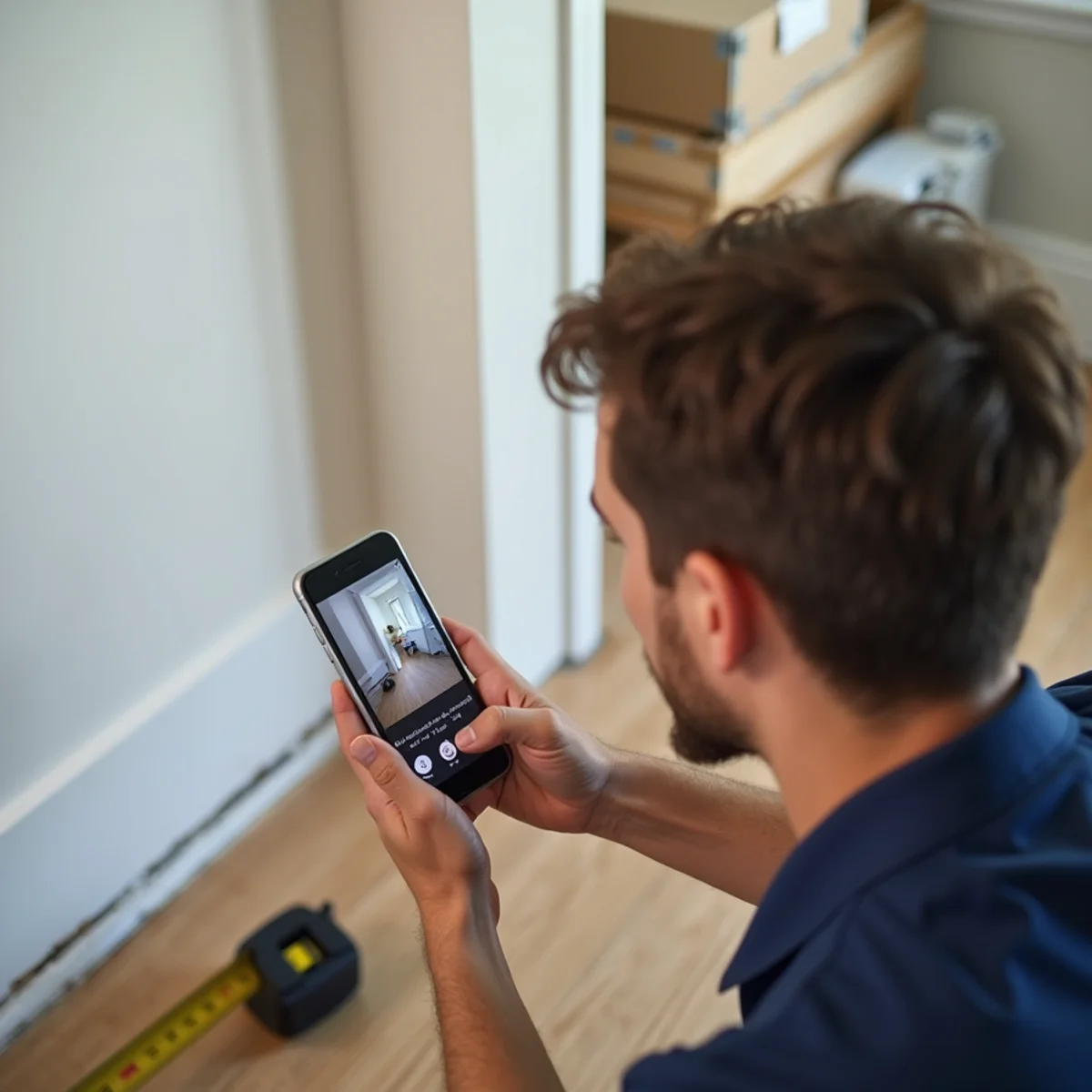
Photographs of every room, the water line from suppression, and the soot pattern — recorded before cleaning, because the condition on day one is what a fire claim is settled from.
Deal with the water first
Extraction, then metered structural drying of the floors, cavities and rooms below. Cleaning soot onto material that is still saturated wastes the work and leaves a mold problem underneath it.
Identify the residue, then clean to it
Dry, wet, protein or fuel-oil soot — each gets its own method, surface by surface. Dry sponging before any wet cleaning on dry residue, solvent methods on wet.
Remove the odor at source
Unsalvageable porous material out, HVAC isolated and cleaned, affected framing and subfloor sealed where needed, and only then air treatment as a finishing step.
Rebuild and verify
Drywall, texture, paint, flooring and trim put back by the same crew, with final moisture readings and a walk-through before we call it finished.
- Documented dry standard
- Bonded & insured
- 24/7 emergency response
What it costs
What moves the price on a job like this
We won't quote your property over the phone — too many variables. Here's what an honest estimate is built from.
- 1
How much of the loss is water rather than fire
Suppression water frequently affects more square footage than the fire did, and it drives the drying equipment, the days on site and whether mold work becomes part of the job.
- 2
Which type of smoke, and how far it travelled
Protein and wet smoke take substantially longer per surface than dry soot, and smoke that reached the duct system means every room rather than one.
- 3
How long it sat before stabilisation
The single largest variable. Metals, plastics, grout and fibreglass move from cleanable to replaceable over days, and that shifts cost from labour to materials.
- 4
Contents volume and whether a pack-out is needed
Cleaning contents in place is cheaper where it is possible. Heavy soot or extensive structural work usually means removing and restoring them off site instead.
- 5
Reconstruction scope and finish level
Replacing a section of drywall and repainting is a different job from rebuilding a kitchen. Matching older finishes, cabinetry and flooring is what moves the rebuild figure.
The on-site assessment and written estimate are free. See our Rancho Cucamonga, CA cost guide for typical ranges.
Why RC Water Pros
Why Rancho Cucamonga homeowners call us for this
Five things we commit to on every job, before we ever pull into your driveway.
60-minute dispatch, from inside the city
Our crews and equipment stage off 11190 White Birch Dr in Rancho Cucamonga — not a regional hub an hour away. On fire & smoke damage that arrival gap is the difference between drying in place and demolition.
Every job run to the published S500 standard
Every job is run to the published industry standard for water damage restoration, with a documented dry standard established from your own unaffected materials — not a technician's judgement about what feels dry.
Adjuster-ready documentation on every job
Timestamped photos, moisture maps, daily drying logs, equipment run hours and a written scope, delivered in the format carriers expect. We speak to your adjuster directly so you aren't the middleman.
Extraction through rebuild, one contract
We don't dry your property and hand you a list of subcontractors. The crew that dries it puts the drywall, texture, paint, baseboard and flooring back, under one point of contact.
Free assessment and a written estimate
Free on-site assessment and written estimate, no charge to come and look, and a straight answer about whether the job is small enough for you to handle yourself.
FAQ
Fire & Smoke Damage questions
Is the smoke smell going to come out, or is it permanent?
In the overwhelming majority of cases it comes out — but only if the source is removed rather than covered. Odor is produced by residue that is still physically in the building: in a subfloor, inside a wall, in insulation or soft contents. Remove that, clean what stays, seal the substrate where it cannot be fully decontaminated, and the smell goes. Treating only the air buys a few weeks.
Can I start cleaning the soot myself while I wait?
Please do not wipe it. The most common way a surface becomes permanently stained is a wet cloth on dry soot, which drives it into the paint. If you want to do something useful, open windows if the weather and air quality allow, keep the HVAC off so it stops distributing residue, and photograph every room before anything is touched.
Why is there water damage when the fire was small?
Because putting a fire out takes volume. A room fire knocked down in minutes can take hundreds to thousands of gallons, and that water goes through the floor into the rooms and cavities below. It routinely affects more of the building than the fire did, and it is on the same 24-to-48 hour clock as any other water loss.
Does insurance cover fire and smoke damage?
Fire is the clearest covered peril in a standard homeowners policy, and that cover generally extends to the smoke damage and the water used to extinguish it. What varies is contents valuation, additional living expenses while you are out, and limits on specific categories. Our part is documenting the condition and the cause before anything is disturbed, which is what the claim is settled from.
There was a wildfire nearby but our house did not burn. Is the smoke damage claimable?
Often, yes, and it is worth documenting rather than airing out. Ash through vents, odor absorbed into soft furnishings and insulation, and particulate through the duct system are real damage with a real cost to put right. Photograph it, do not run the HVAC, and have it assessed — this comes up regularly in the foothill communities after a fire in the hills.
Do we have to move out?
It depends on the extent, whether utilities are safe and whether the odor is liveable. Small, contained losses often let people stay in unaffected parts of the property. A significant fire usually means relocating for a period, and most policies include additional living expenses for exactly that. We will give you a straight assessment at the first visit rather than a convenient one.
Related services
- Water Damage RestorationEmergency extraction, structural drying and full rebuild — one crew from the first phone call to the final walkthrough.
- Structural DryingAir movers and commercial dehumidifiers placed to a calculated load, with daily moisture readings you get to see.
- Mold RemediationContainment, HEPA filtration, source removal and moisture correction — remediation that fixes the cause, not just the stain.
Further reading
Cost & Insurance
How to Document Water Damage for an Insurance Claim (Photo & Receipt Checklist)
Claims are paid from evidence, not recollection. Here's exactly what to capture, in what order, before anything gets cleaned up.
5 min read
How Restoration Works
Stormwater Got Inside: What's Salvageable After a Flood and What Isn't
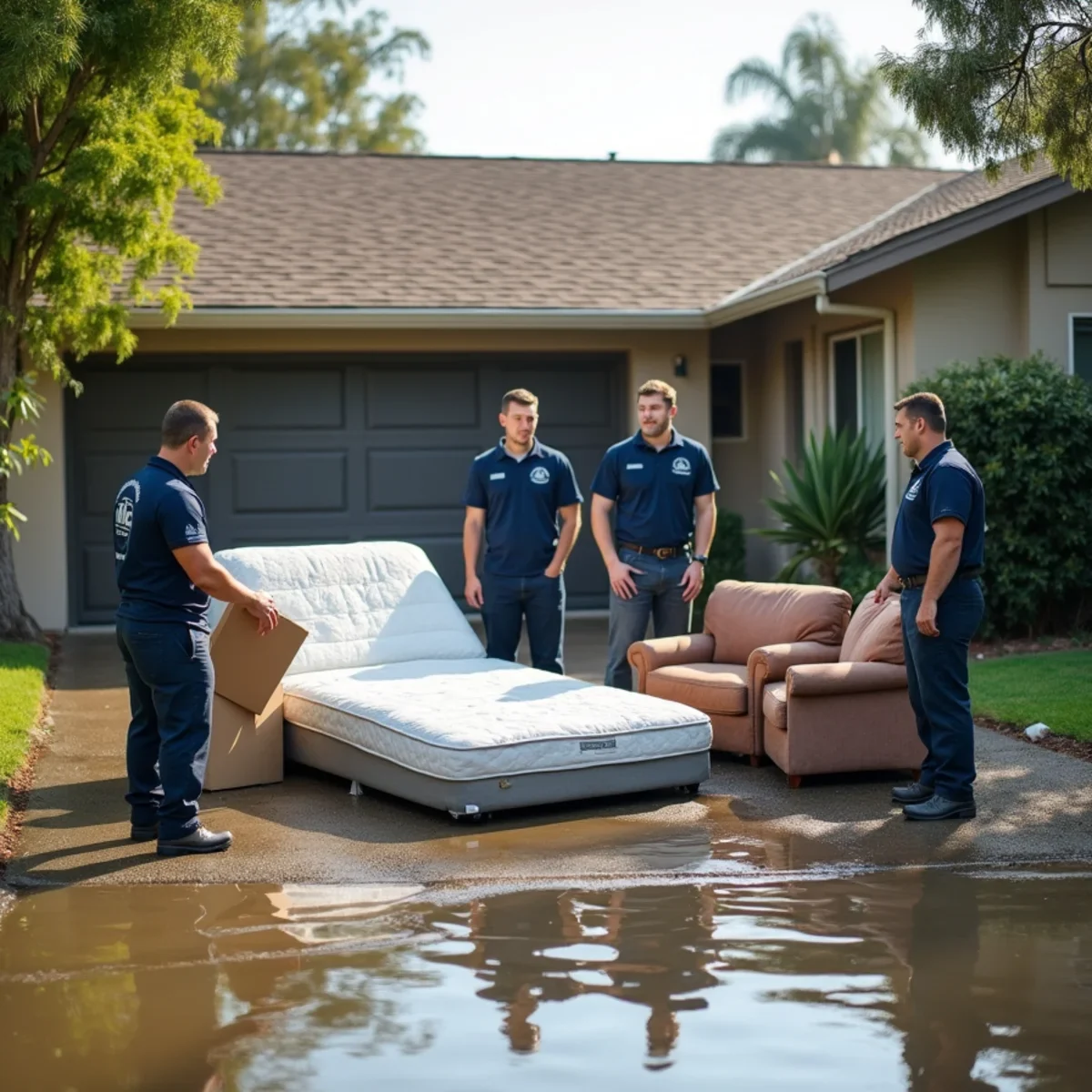
Porosity decides it. A room-by-room list of what cleans up, what doesn't, and what to photograph before it goes to the curb.
5 min read
Where we work
Fire & Smoke Damage across the Inland Empire
Based in Rancho Cucamonga, serving the surrounding cities and neighborhoods 24/7.
Need fire & smoke damage in Rancho Cucamonga?
Free assessment, 60-minute dispatch, and a real person on the phone at any hour.
- Documented dry standard
- Bonded & insured
- 24/7 emergency response