
Emergency Guides
Water Heater Flooded the Garage: Emergency Steps Before Help Arrives
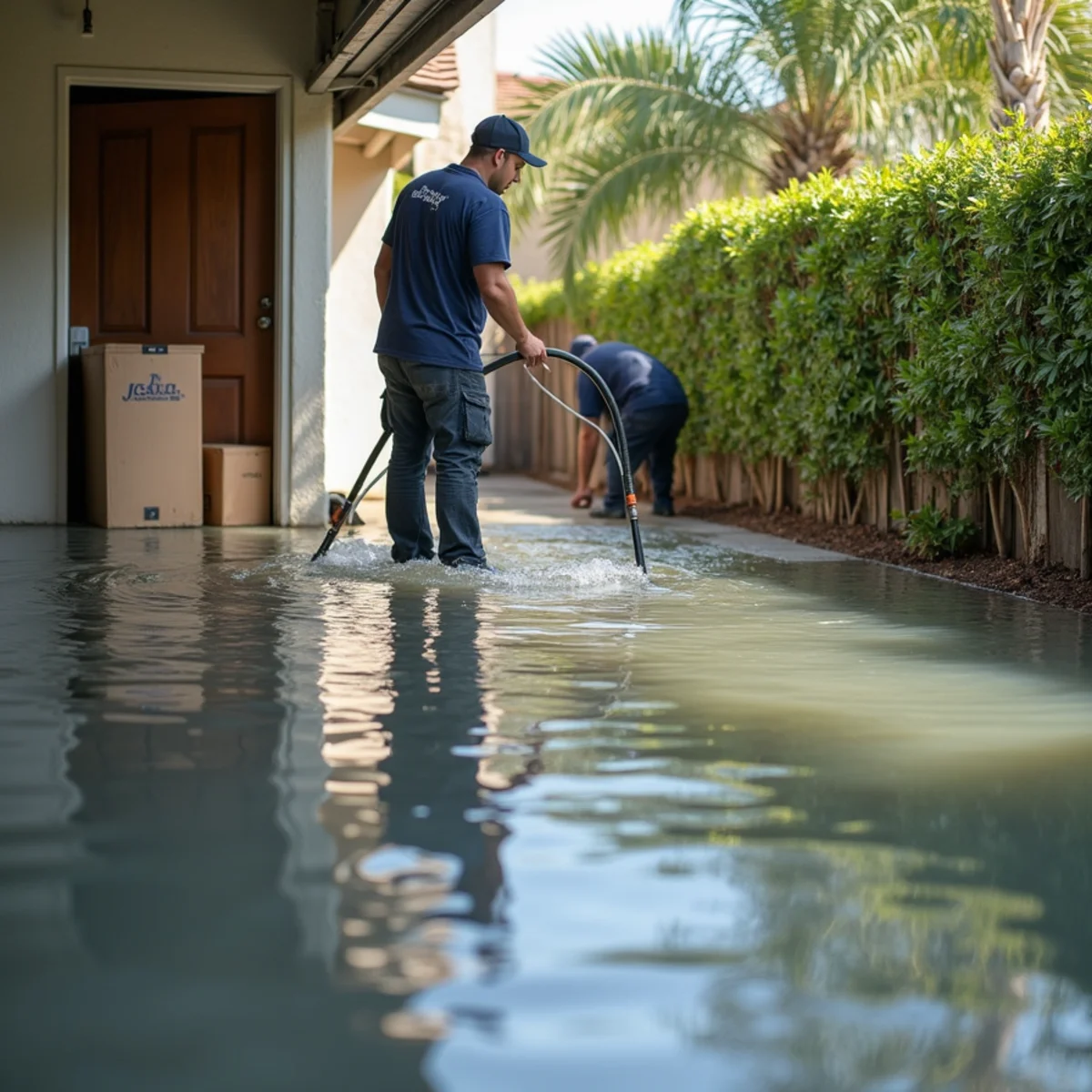
Dealing with this right now? We answer 24/7 and dispatch across Rancho Cucamonga in 60 minutes.
+1 (201) 277-9344A water heater tank doesn't leak gradually when it fails. The seam gives way and the entire contents — 40, 50, sometimes 80 gallons — hit the garage floor in a few minutes.
Then it keeps going, because the cold water inlet is still feeding it.
Here's what to do, in order.
Step 1: Shut off the water to the heater
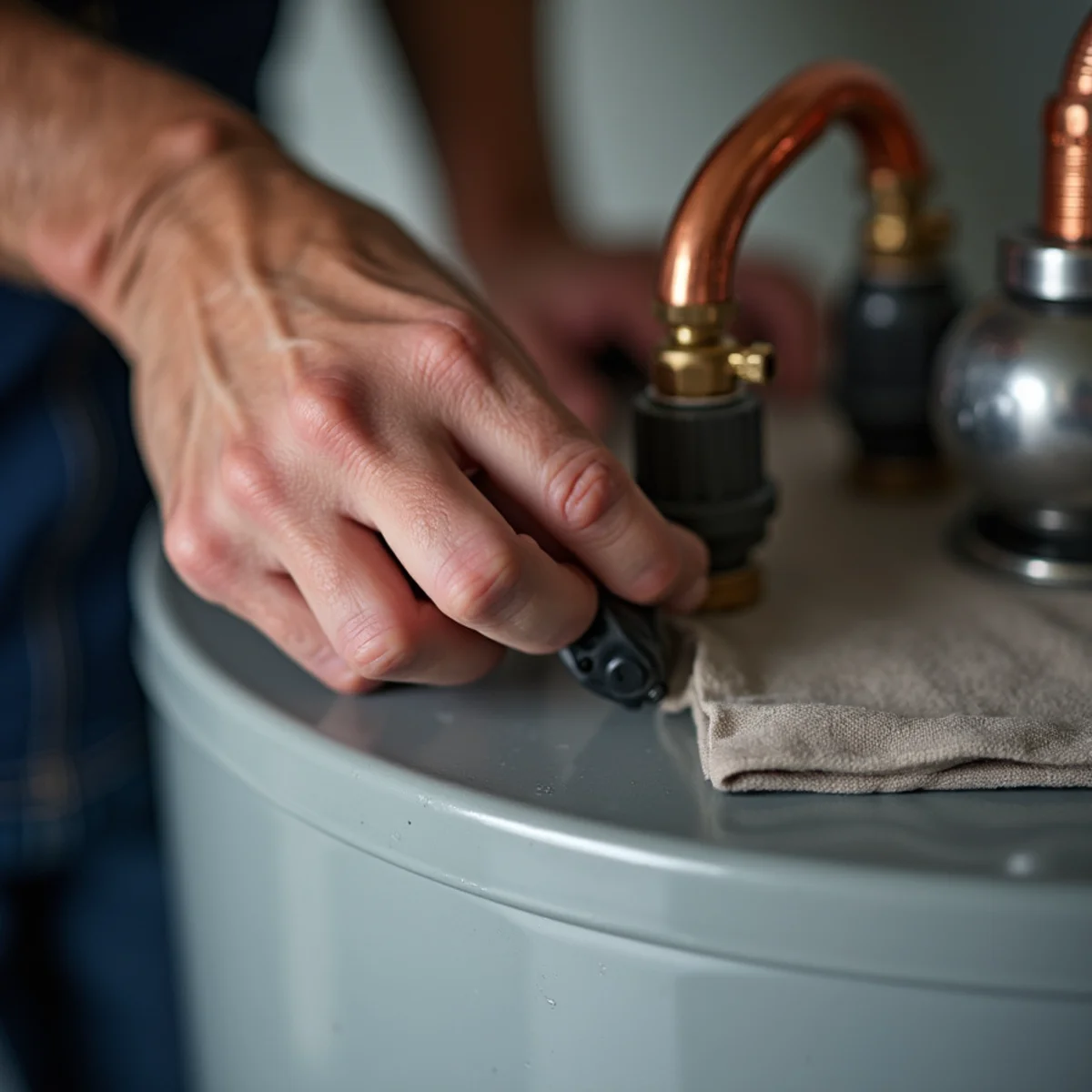
There is a shut-off valve on the cold water inlet pipe at the top of the tank. It's usually a lever or a round handle on the pipe entering the top of the unit. Turn the lever perpendicular to the pipe, or the round handle clockwise until it stops.
If that valve won't move — and on a heater that's been sitting for fifteen years, it sometimes won't — go to your main shut-off instead. In most Rancho Cucamonga homes that's in a meter box at the street, near the front hose bib, or on the garage wall.
Step 2: Shut off the fuel
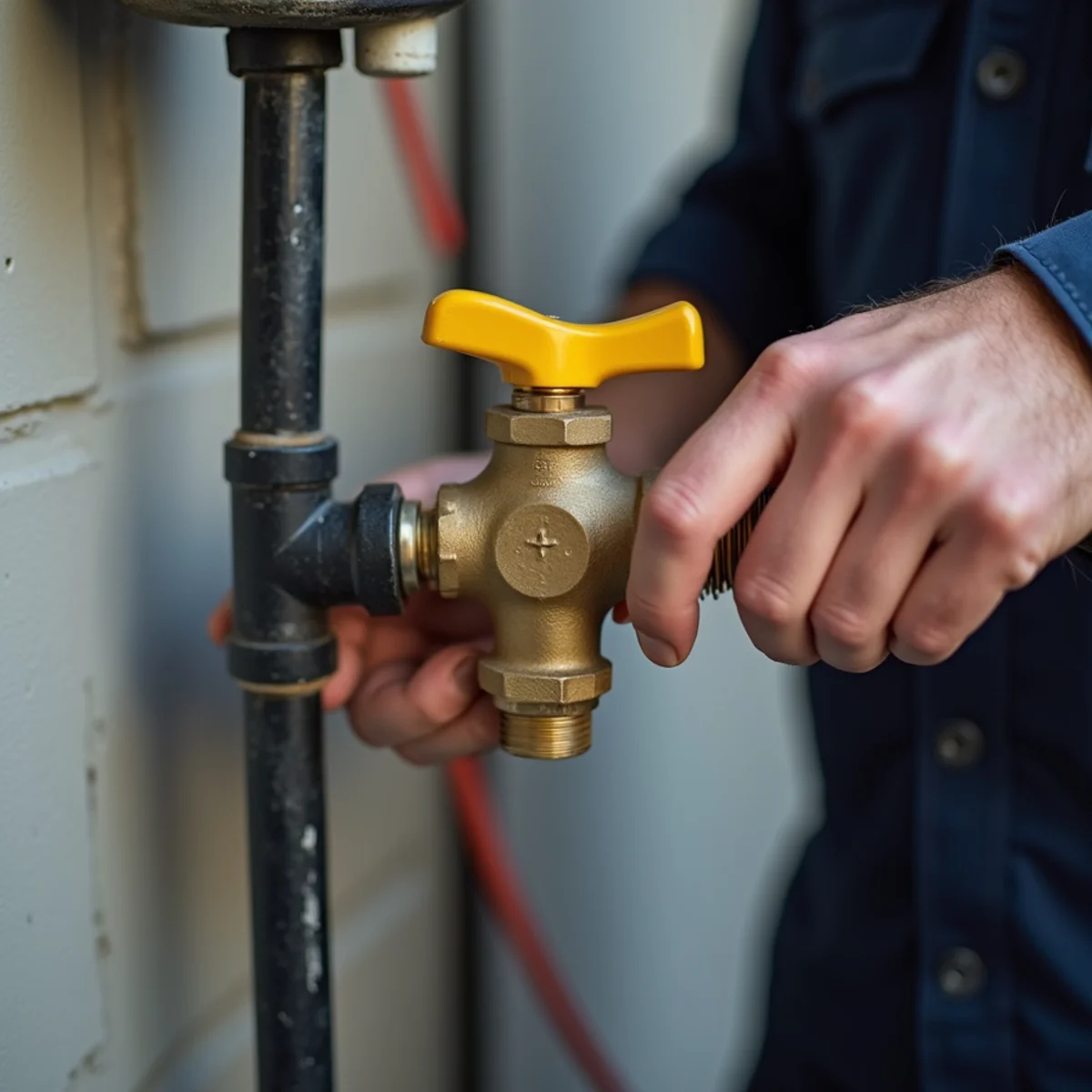
Gas heater: find the gas shut-off valve on the supply line running to the unit and turn it perpendicular to the pipe. Alternatively, turn the control dial on the front of the unit to "OFF" or "PILOT."
Electric heater: switch off the breaker for the water heater at your panel. Do not do this by standing in water.
This step matters. A gas or electric heater firing with no water in the tank damages itself further and creates a genuine hazard.
Step 3: Stay out of the water if there's any electrical question
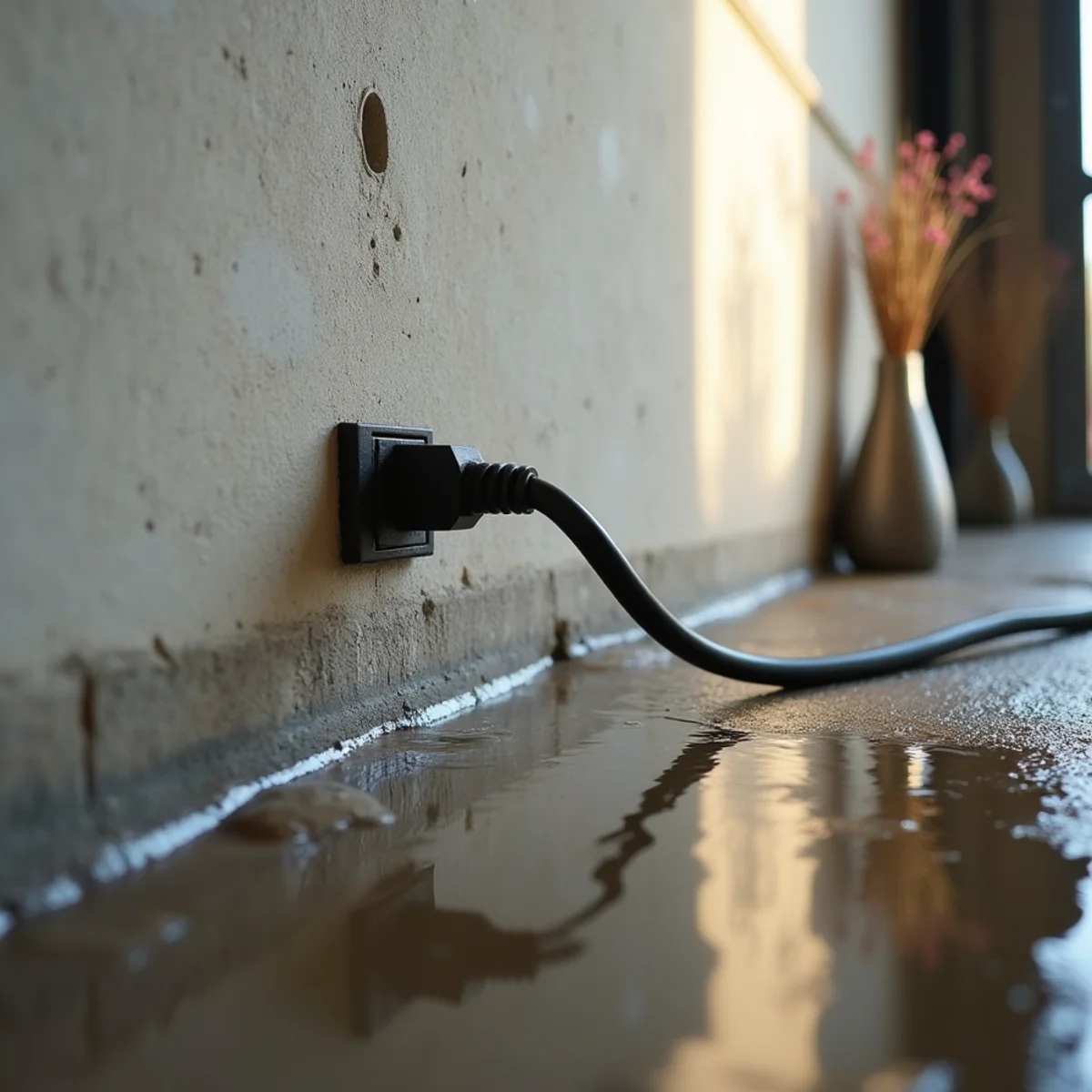
Garages have outlets, freezers, extension cords, power tools and often the laundry. If water has reached any of them, or if you can't be certain it hasn't, kill the garage circuits at your panel — approaching the panel from a dry route only.
If you can't reach the panel safely, don't. Get everyone out of the garage, close the interior door, and tell us when you call.
Step 4: Stop it reaching the house
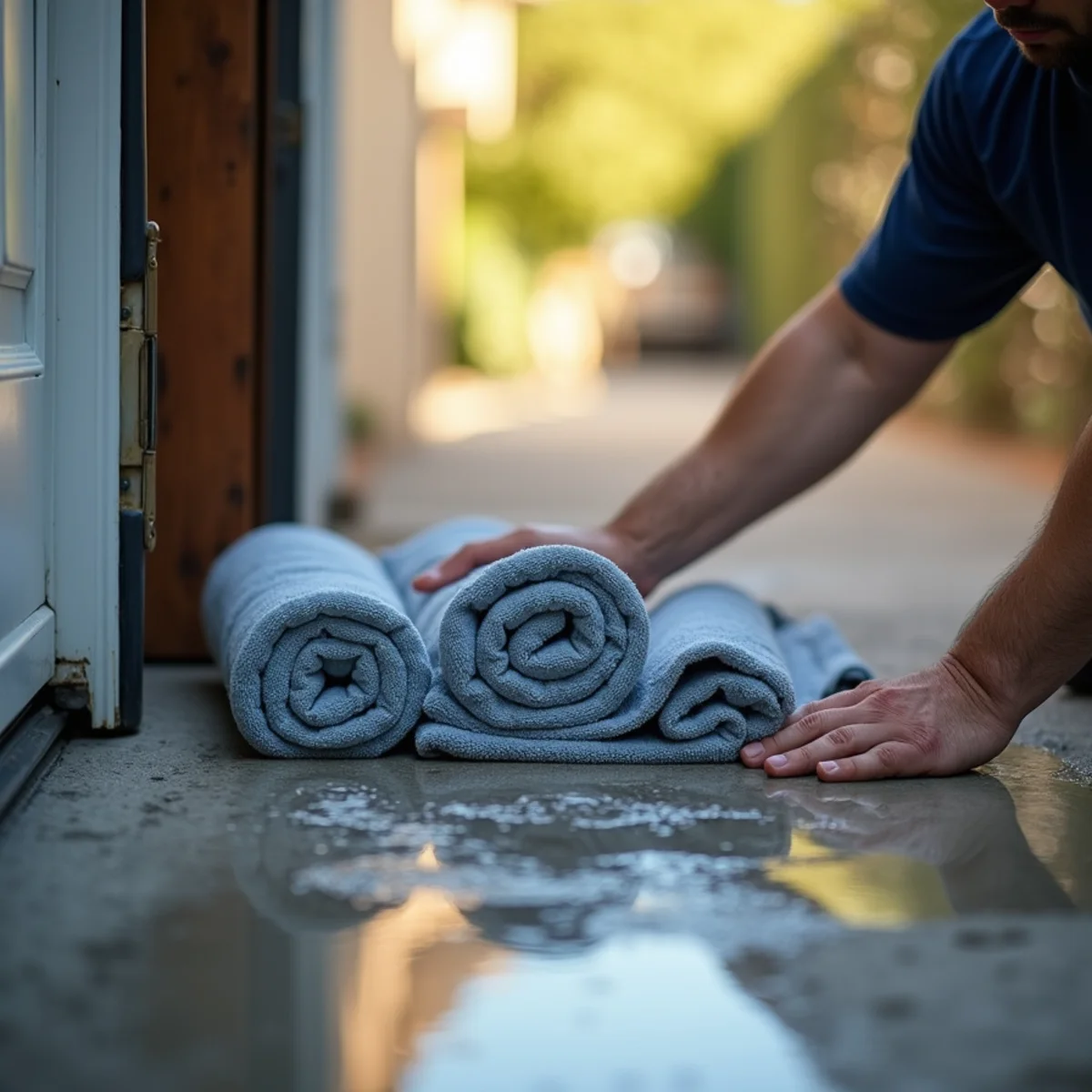
This is where the money is.
Most Rancho Cucamonga tract garages have slabs that slope toward the interior door, not toward the driveway. So the water heads for your hallway, laundry room or kitchen rather than out where you can see it.
If it's safe to be in there, dam the interior threshold. Towels, blankets, a rolled-up rug — anything to hold water back from the doorway. Then start pushing water toward the garage door with a squeegee or a broom if the grade allows.
Every foot of interior carpet you keep dry is a foot that doesn't need extracting, drying and possibly replacing.
Step 5: Get things off the floor
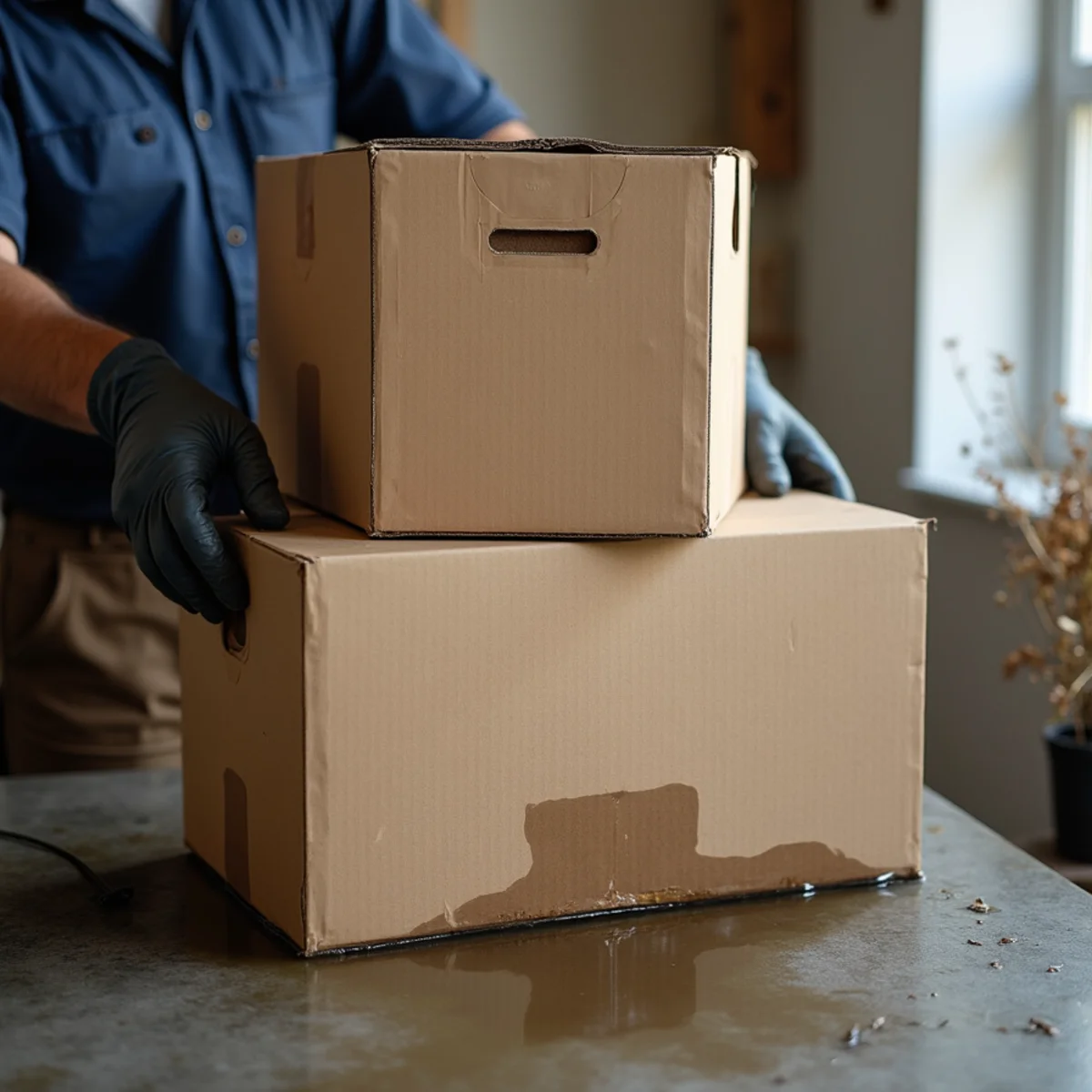
Garage floors hold everything that isn't in the house: holiday decorations, sports gear, tools, paperwork, seasonal clothing.
Cardboard is the problem. It wicks water several inches up from the floor, holds it, and in a hot garage becomes an ideal mold substrate within a day or two. Anything in cardboard should come up onto a workbench, a shelf, or out onto the driveway.
Photograph everything before you move it. Your personal property claim is paid from an inventory of what was damaged, and boxes that get binned before they're documented don't get reimbursed.
Step 6: Document everything
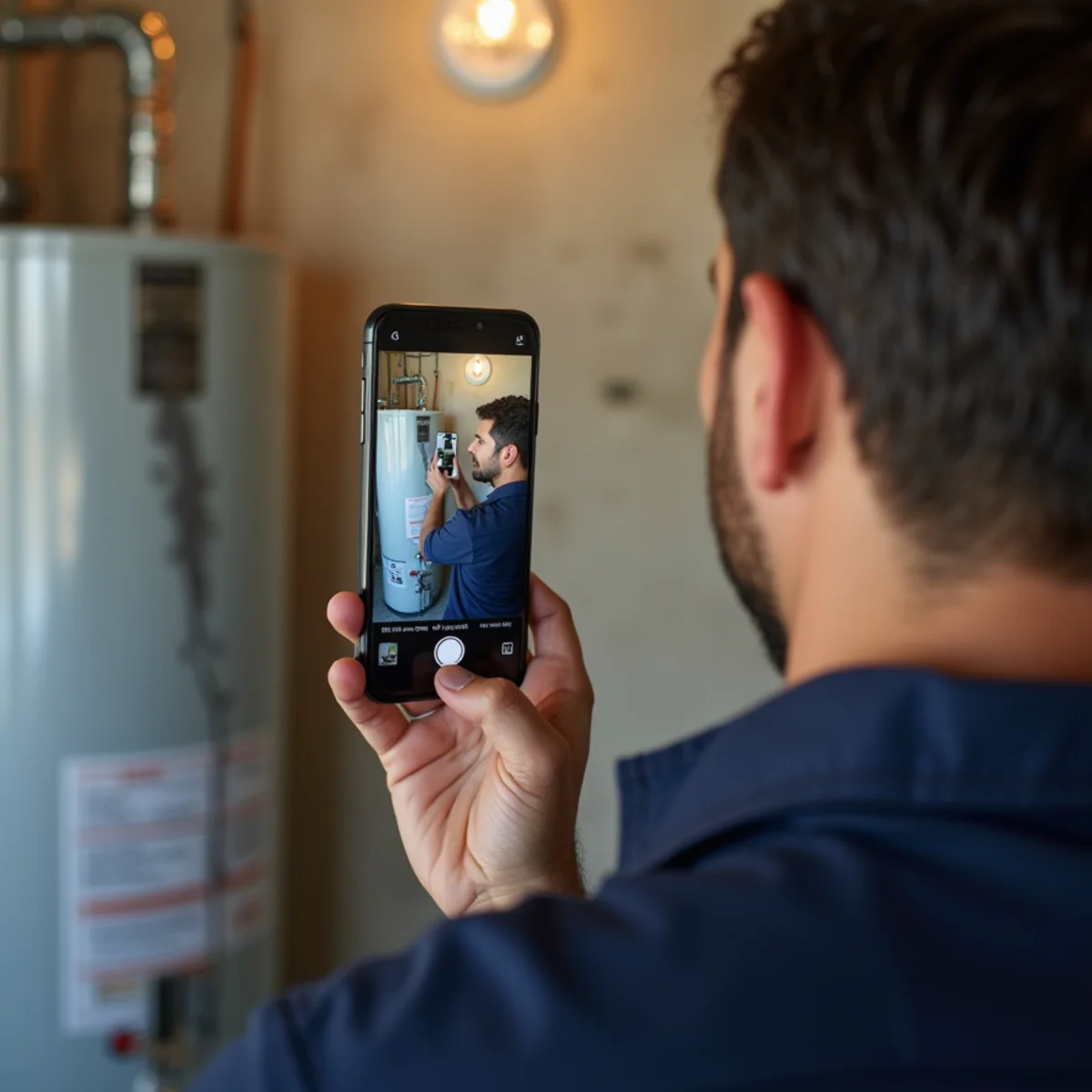
Before the tank comes out and before anything gets cleaned up:
- Photograph the water heater itself, from several angles, including the base and the wall behind it
- Photograph the water line on the walls and on any stored belongings
- Photograph the whole garage, wide, then close on damaged items
- Photograph any water that reached the interior of the house
And keep the old tank until your adjuster has released it. If the tank had been weeping for months before it failed, that's a gradual-damage argument — and your photos of a sudden seam failure are the counter-argument.
What not to do
Don't run fans blowing from the garage into the house. You'll move humidity into dry rooms.
Don't relight a gas heater that's been sitting in water. It needs assessing first.
Don't assume the drywall is fine because it looks fine. Garage drywall usually sits directly on the slab, wicks water fast, and in almost every water heater failure we respond to, the wall behind and beside the tank is saturated and needs to come out. It's the step most commonly skipped, and skipping it is how you get mold in a hot garage.
What comes next
Extraction of the standing water from the slab and anywhere it reached inside. Removal of the wet drywall behind the tank. Triage of stored contents — wet cardboard is a loss and needs to come out before it grows. Then structural drying of the slab, the wall bases and any interior flooring the water crossed into.
A licensed plumber handles the replacement tank. While the wall is open is also the cheapest moment in that heater's whole life to add a drain pan piped to an actual drain — a pan sitting under a tank with nowhere to send water holds about a gallon.
Will insurance pay?
Usually, for the damage. A tank failure is textbook sudden and accidental discharge, and the resulting water damage is a standard covered peril on California homeowners policies.
The near-universal exclusion is the water heater itself — carriers treat the appliance as a maintenance item. So expect the garage, drywall, flooring and belongings to be covered, and expect to buy the new tank yourself.
The part you can control
Water heaters last 8–12 years, and Inland Empire hard water pushes most tanks toward the short end. Sediment builds on the tank bottom, insulates it from the burner, and burns through the sacrificial anode rod faster than in soft-water regions.
If yours is over ten years old, replace it on your schedule. A planned replacement costs a fraction of an unplanned one plus a flooded garage — a lesson we deliver regularly in Etiwanda and across the older tracts in Archibald Ranch.
Flooding now? Call +1 (201) 277-9344.
FAQ
Questions people also ask
How do I turn off a water heater in an emergency?
Close the shut-off valve on the cold water inlet pipe at the top of the tank. Then shut off the fuel: turn the gas valve on the supply line perpendicular to the pipe (or the control dial to OFF), or switch off the water heater breaker for an electric unit. If the inlet valve won't turn, use your home's main shut-off instead.
Does the drywall behind the water heater have to be replaced?
Almost always. Garage drywall sits directly on the slab and wicks water quickly, and a failing tank has usually been wetting the wall behind it before the seam let go. Leaving it means mold in a hot garage. While the wall is open is also the best moment to add a properly piped drain pan.
Will my insurance buy me a new water heater?
Generally no. Most California policies cover the resulting water damage but exclude the failed appliance itself as a maintenance item. Expect the garage, flooring and belongings to be covered and the replacement tank to be out of pocket.
Is anything stored in the garage salvageable?
Depends on what it is and what it sat in. Sealed plastic containers, metal tools and hard-surfaced items clean up fine. Cardboard boxes wick immediately and their contents are usually the real loss. Anything porous that sat in water — carpet, particleboard furniture, upholstered items — is generally not worth saving. Photograph everything before you move it, because contents claims are settled from evidence.
Services mentioned
- Water Heater Leak CleanupForty to eighty gallons across a garage slab, heading for the house. Extraction, drywall drying and mold prevention.
- Emergency Water RemovalOne number, answered by a person, any hour of any day — with a truck rolling before the call ends.
- Water ExtractionTruck-mounted units pull standing and sub-surface water out in hours — the step that decides whether your floors survive.
Keep reading
Emergency Guides
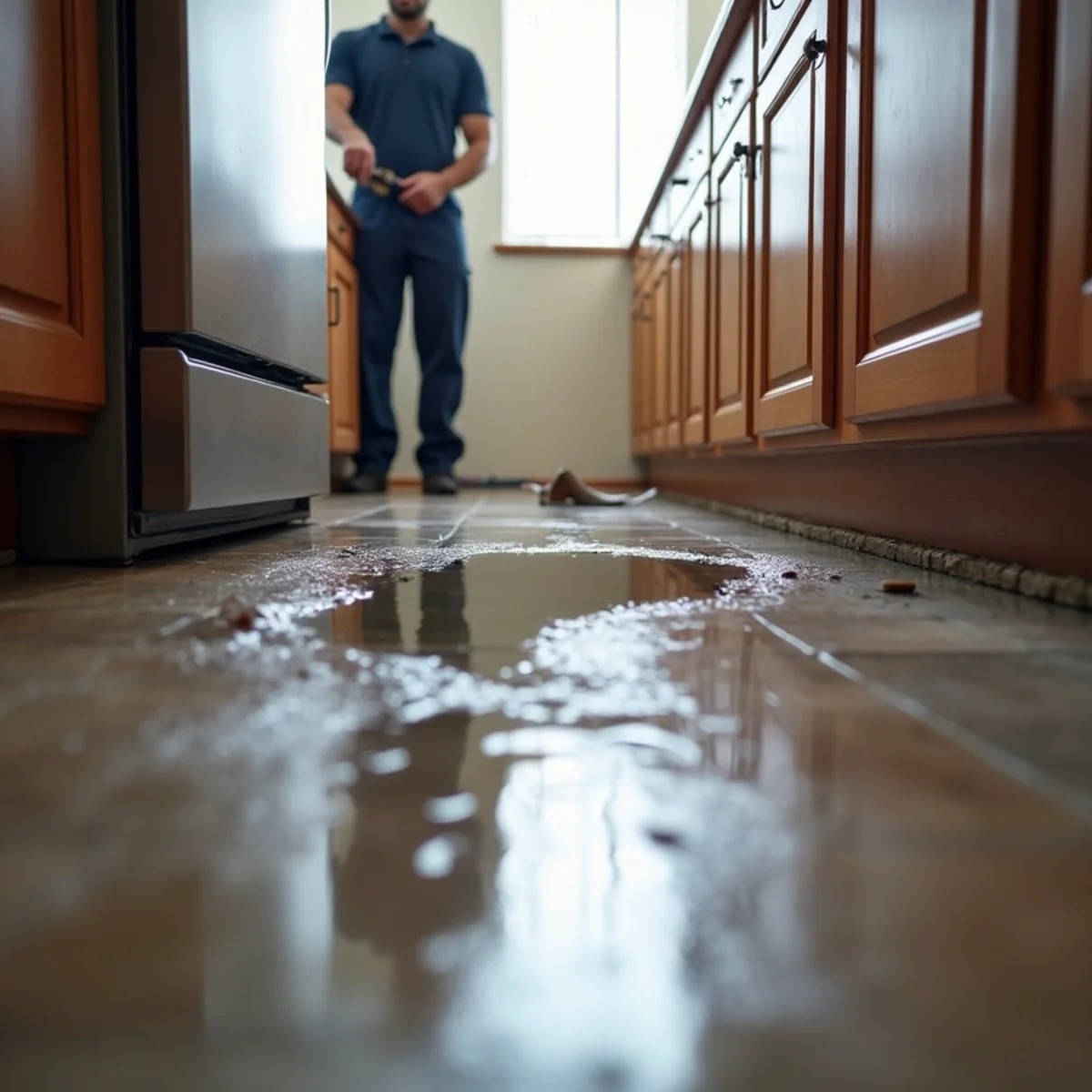
Dishwasher Leaked Overnight and Flooded the Kitchen — Now What?
The visible puddle is the least of it. Water under cabinets and beneath floating floors is where dishwasher leaks actually do damage.
6 min read
Emergency Guides
Standing Water in the House: Is It Safe to Stay, and Who Do You Call First?
Three questions decide it: is the electricity safe, what's in the water, and is the structure sound. Work through them in order.
5 min read
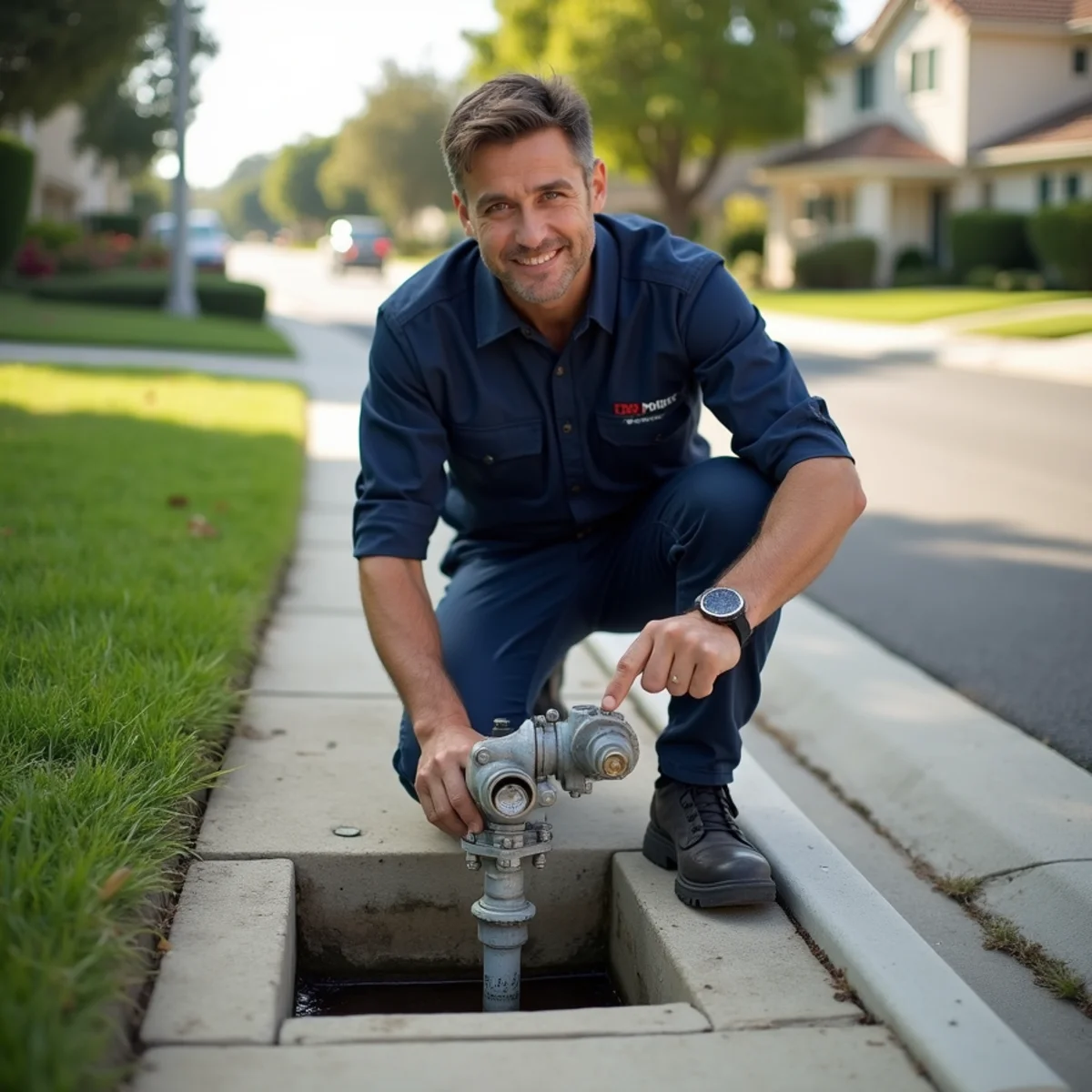
Emergency Guides
How to Find and Shut Off Your Home's Main Water Valve (Before You Ever Need To)
Do this on a Saturday afternoon in daylight, not at 2 a.m. in the dark with water rising. Here's exactly where to look.
4 min read