Emergency Guides
Standing Water in the House: Is It Safe to Stay, and Who Do You Call First?
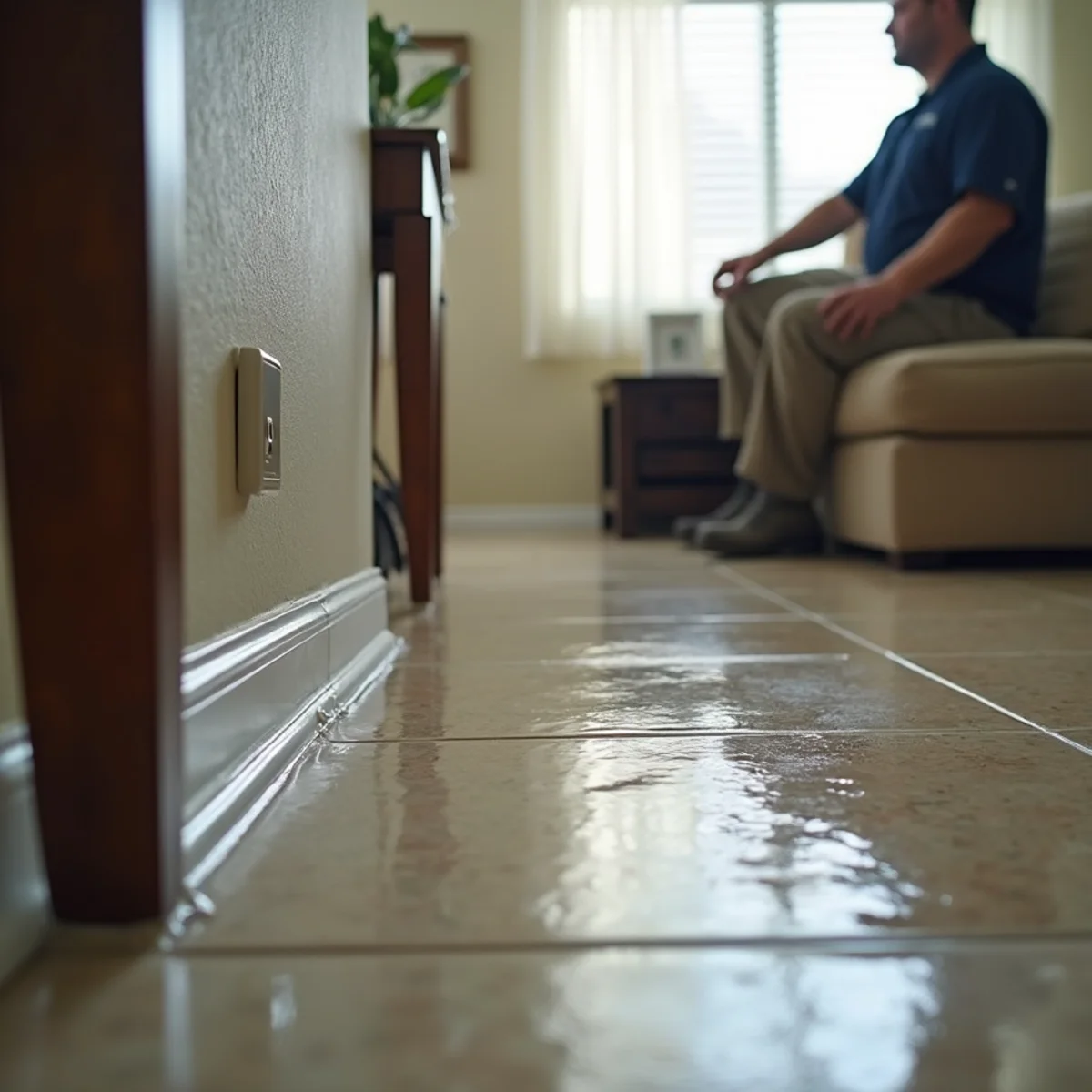
Dealing with this right now? We answer 24/7 and dispatch across Rancho Cucamonga in 60 minutes.
+1 (201) 277-9344When there's standing water in your house, the first decision isn't about restoration. It's about whether the building is safe to be in.
Three questions answer it. Work through them in order — the first one can kill you, and the other two only matter if you get past it.
Question 1: Is the electricity safe?
Water and live circuits are the genuine hazard here, and the risk isn't limited to obvious contact.
Get out and don't go back in if any of these apply:
- Water has reached outlets, switches or baseboards with wiring behind them
- Water is anywhere near the electrical panel
- An appliance is partially submerged and still plugged in
- Water is dripping through a ceiling light or fan
- You'd have to walk through standing water to reach the panel
Never wade into standing water to turn the power off. If you can reach the panel from a dry route, kill the affected circuits — or the main breaker if you're unsure which. If you can't, leave the house and call your utility. That's what they're for.
Extension cords, power strips and floor-level electronics are the ones people forget. A power strip sitting on a wet floor is energised.
Question 2: What's in the water?
The restoration industry sorts water into three categories, and the category determines whether the space is habitable.
Category 1 — clean water. A supply line, a water heater inlet, an overflowing tub with clean water. Low health risk immediately, but it degrades toward Category 2 within about 48 hours of sitting.
Category 2 — grey water. Dishwasher or washing machine discharge, a toilet overflow without solids, a failed sump. Enough contamination to make people sick on contact or ingestion.
Category 3 — black water. Sewage, a backed-up main line, or any water that came in across the ground — storm runoff, a flooded street, a creek or channel overflow. Also any Category 2 that's been sitting. Contains pathogens and requires full PPE and professional remediation.
That middle point catches people out. Storm water looks clean. It isn't — it has crossed roads, yards and possibly an overwhelmed storm system on its way to your door, and it's classified as grossly contaminated.
If it's Category 3, keep everyone out of the affected area. Especially children, pets, anyone pregnant, elderly or immunocompromised. Don't run the HVAC — it'll move contaminated air through the whole house. Don't try to clean it yourself; household equipment spreads contamination rather than removing it, and disinfectant over soaked carpet does essentially nothing.
Question 3: Is the structure sound?
Ceilings. Sagging, bulging or bubbling drywall means water pooling above it. That's a collapse hazard. Stay out of the room and out from underneath.
Floors. Spongy, cupped or unusually flexible flooring over a raised foundation can mean compromised subfloor. Tread carefully or not at all.
Gas. If you smell gas at any point, leave immediately and call the gas company from outside. Don't switch anything on or off on your way out.
Foundation and slope. After a debris flow or heavy runoff — a real consideration in the foothill neighborhoods like North Etiwanda — look for new cracks, soil washed away from the foundation, or retaining walls that have moved.
So can you stay?
The honest framework we give homeowners:
Usually yes — for a contained Category 1 loss in a room or two, with power safe, no structural concern, and a working kitchen and bathroom. Close off the drying chamber, sleep in unaffected rooms, and accept that air movers are loud.
Usually no — if the water was Category 3, if the electrical system is compromised, if a ceiling is at risk, or if your only kitchen or bathroom is out of service.
Definitely not — if there's any gas concern or structural doubt.
A restoration crew will give you a straight recommendation at the first assessment. Ask for it explicitly, and ask them to explain the reasoning rather than just the answer.
If you do relocate: Additional Living Expenses
Most California homeowners policies include ALE coverage — Additional Living Expenses — which pays for hotel, meals and other costs above your normal spending while your home is uninhabitable.
Carriers don't always volunteer it. Ask your adjuster about ALE specifically, and keep every receipt.
Who to call, and in what order
1. Emergency services if there's gas, structural collapse risk, or a medical concern. Obviously.
2. Your utility if the electrical situation is unsafe and you can't isolate it yourself.
3. A restoration company. If water is spreading or standing, this is the call that stops the damage growing. Your policy requires you to mitigate further damage, so acting quickly supports your claim rather than complicating it. We answer 24/7 at +1 (201) 277-9344.
4. Your insurance company, as soon as the immediate emergency is controlled.
5. A plumber, if there's a failure that needs repairing — usually coordinated as part of the restoration.
That order surprises people who assume the insurer comes first. It doesn't. Adjusters are not emergency responders, they may take a day or more to reach you, and the damage compounds every hour in between.
Before you clean anything
Photograph everything. The water line, every room, every damaged item, the source if you can identify it. This is the evidence your claim is built on, and once the house is cleaned out you cannot recreate it.
Don't discard damaged material until your adjuster has had the chance to inspect it. Stage it in the garage or on the driveway, photographed.
This matters especially in high-turnover rental markets like Rialto, where tenants and owners frequently need separate documentation of the same event.
Pets, and the things people forget
Pets get overlooked in the first hour and they are more exposed than anyone else in the house. They walk through contaminated water, then groom themselves. They are lower to the ground, where heavier vapours and the worst of the contamination sit. And they are the least able to stay out of a room you have decided is off limits.
If the water is Category 2 or 3, get animals out of the affected area entirely rather than trying to keep them off part of a floor, and wash paws that have already been through it.
The second thing people forget is medication, documents and electronics sitting at floor level — the shoebox of paperwork in the closet, the power strip behind the sofa, the router on the bottom shelf. Move them up before anything else gets carried out, because that material is both the most easily saved and the hardest to replace.
And take a photograph of every room before you move any of it. The insurance value of that two-minute record is out of all proportion to the effort.
The bottom line
Electricity first, water category second, structure third. If any of the three gives you a bad answer, get out and make the calls from outside.
Water standing in your house right now? Call +1 (201) 277-9344.
FAQ
Questions people also ask
Is storm water that came into my house dangerous?
Yes. Any water that crossed the ground before entering is classified Category 3 — grossly contaminated — regardless of how clear it looks. It has crossed roads, yards and possibly an overloaded storm system. Keep people and pets out of the affected area and don't attempt to clean it with household equipment.
Can I stay in my house during restoration?
Often yes for a contained clean-water loss, provided power is safe, no ceiling is at risk and you still have a working kitchen and bathroom. Plan to relocate if the water was contaminated, if the electrical system is compromised, or if your only bathroom is out of service. Ask the crew lead for a direct recommendation at the first assessment.
Will my insurance pay for a hotel?
Most California homeowners policies include Additional Living Expenses coverage for costs above your normal spending while the home is uninhabitable. Carriers don't always mention it — ask your adjuster about ALE specifically and keep every receipt.
What about pets?
Get them out of the affected area entirely rather than trying to keep them off part of a floor. Animals walk through contaminated water and then groom themselves, they sit lower to the ground where the worst of it is, and they are the least able to respect a boundary you have drawn. Wash any paws that have already been through it.
Services mentioned
- Flood CleanupStorm and runoff flooding brings contaminated water. We pump, strip, sanitize and dry — then document it for your carrier.
- Emergency Water RemovalOne number, answered by a person, any hour of any day — with a truck rolling before the call ends.
- Sewage CleanupCategory 3 black water handled properly: PPE, containment, removal of contaminated material, disinfection and odor control.
Keep reading
Emergency Guides
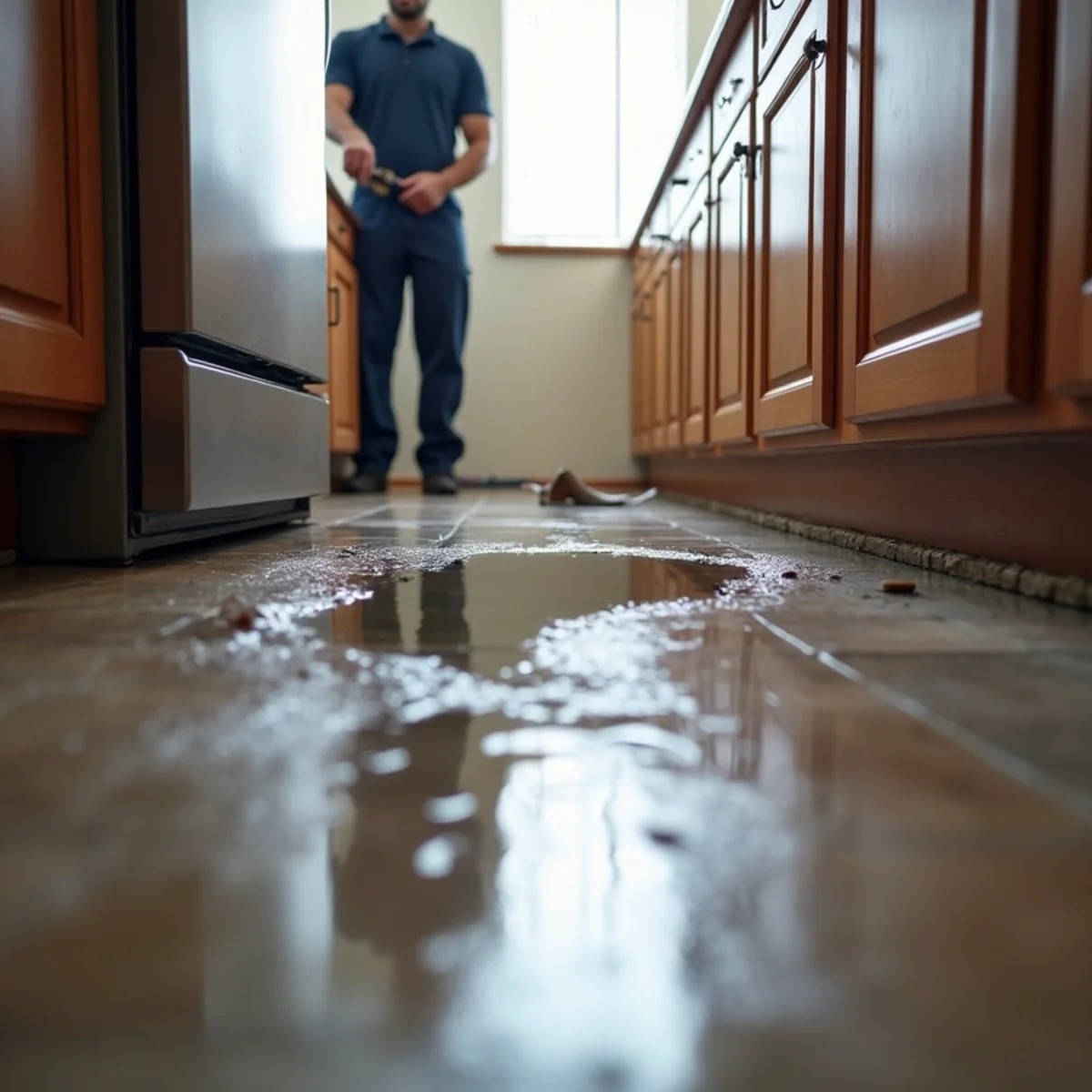
Dishwasher Leaked Overnight and Flooded the Kitchen — Now What?
The visible puddle is the least of it. Water under cabinets and beneath floating floors is where dishwasher leaks actually do damage.
6 min read
Emergency Guides
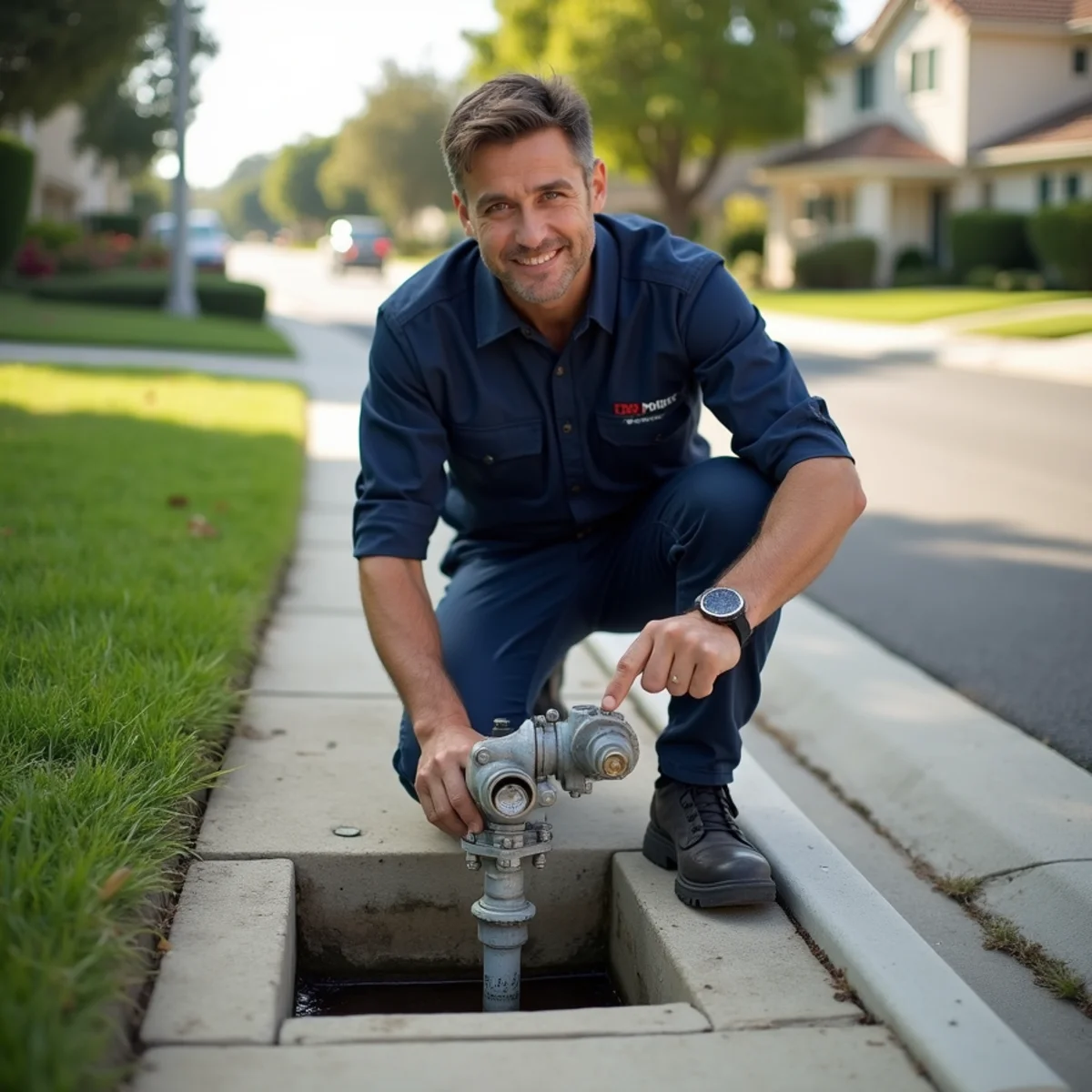
How to Find and Shut Off Your Home's Main Water Valve (Before You Ever Need To)
Do this on a Saturday afternoon in daylight, not at 2 a.m. in the dark with water rising. Here's exactly where to look.
4 min read
Emergency Guides
Washing Machine Supply Line Burst: 5 Steps to Limit the Damage
Shut it down, find where the water actually went, and understand why this failure so often happens when nobody is home.
5 min read