Emergency Guides
Toilet Overflowing? How to Stop It — and When It's Actually a Sewage Emergency
Dealing with this right now? We answer 24/7 and dispatch across Rancho Cucamonga in 60 minutes.
+1 (201) 277-9344A toilet overflow goes from alarming to expensive in about ninety seconds. Here's how to stop it, and then how to work out which of two very different problems you actually have.
The short version: close the supply valve behind the toilet, then work out whether the water came from the bowl alone or from further down the line. A bowl overflow is an unpleasant clean-up. A main line backing up is a Category 3 loss and a different job entirely.
Stop it first — this takes 20 seconds
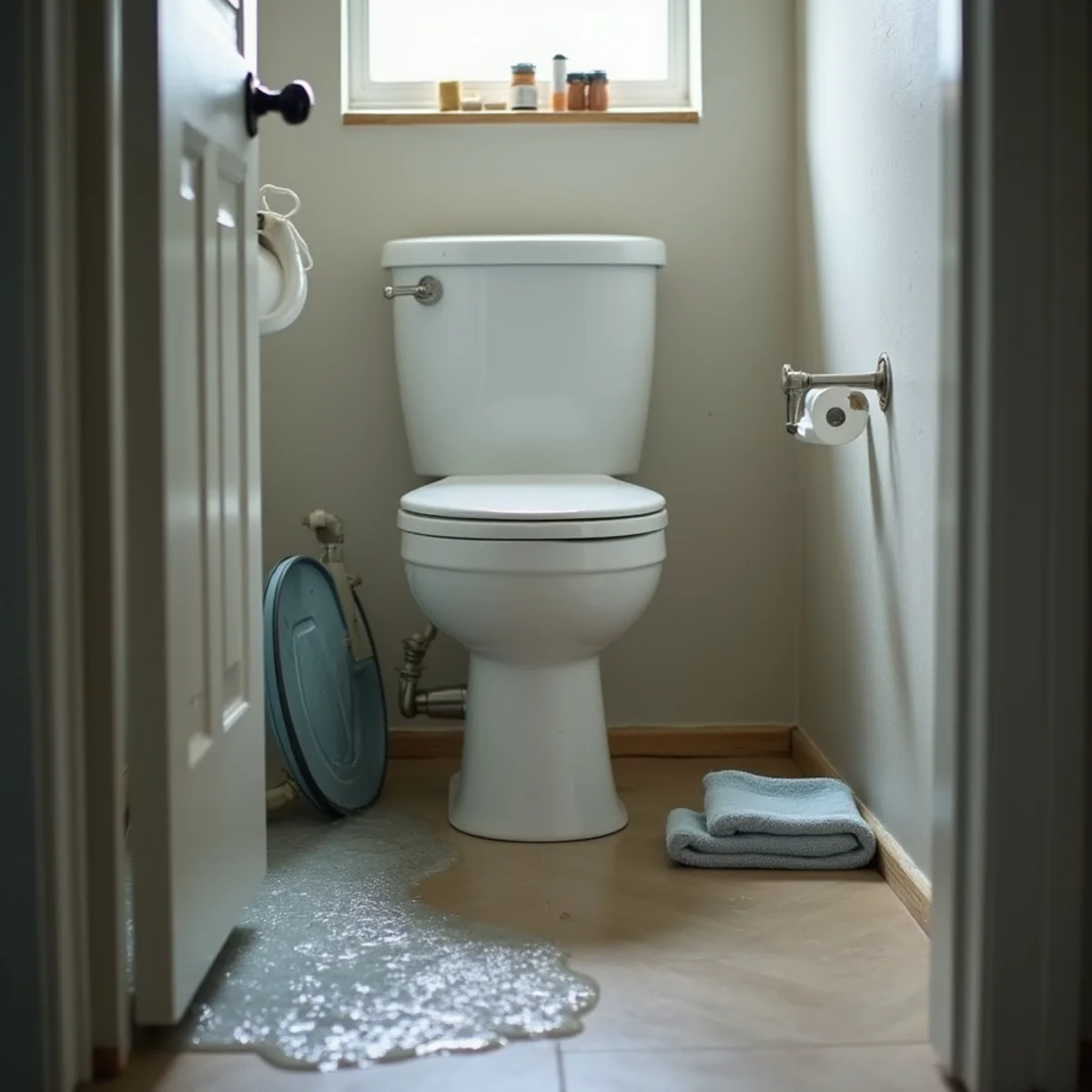
Take the tank lid off and push the flapper down. The flapper is the rubber seal at the bottom of the tank. Pressing it closed stops water leaving the tank and entering the bowl immediately.
Then lift the float — the ball or the cylinder on the fill valve — and hold it up. That stops the tank refilling.
Then close the angle stop. That's the small oval or football-shaped valve on the wall behind the toilet, near the floor. Turn it clockwise until it stops. Now the toilet is isolated and nothing more is coming.
If the angle stop won't turn — common on older fittings that have never been used — go to your main shut-off.
Do not flush again. Not to "see if it clears." Every flush adds several more gallons to your floor.
Now the important question
Here's the distinction that determines everything about what happens next.
Is water coming up anywhere else?
Check the tub, the shower, and any floor drain. Run a nearby sink for ten seconds and watch the shower drain.
If it's only the toilet
You have a clog in the toilet's own trap or the branch line just past it. This is a plumbing annoyance, not an emergency. A plunger or an auger usually clears it.
The water on your floor is bowl water. If the bowl was clean before the clog, this is Category 1 or 2 water — unpleasant but not a biohazard. Mop it up, disinfect the floor, and check whether any got under the vanity, behind the toilet base or through to the room below if you're upstairs.
If water is also coming up in the tub, the shower or a floor drain
Stop. You have a main line blockage, and this is a different situation entirely.
Water backs up at the lowest fixture in the house when the main lateral is blocked, which is why a downstairs shower or a floor drain is usually the first place it shows. What's coming up is not bowl water — it's waste from the line serving your whole house.
That's Category 3 water: grossly contaminated, carrying pathogens, and requiring proper sewage cleanup rather than a mop and a bottle of bleach.
If it's Category 3, do this
Stop using every fixture in the house. No sinks, no showers, no laundry, no dishwasher. Everything you run goes into a blocked line and comes back up through your floor.
Get everyone out of the affected rooms — especially children, pets, anyone pregnant, elderly or immunocompromised.
Don't run the HVAC. It will move contaminated air through the whole house.
Don't try to clean it yourself. Household vacuums spread contamination rather than remove it, and disinfectant sprayed over soaked carpet accomplishes essentially nothing — the contamination is inside the material, not on the surface.
Photograph it from the doorway before anyone goes in.
Then call. Category 3 remediation means containment barriers, negative air pressure with HEPA filtration, removal of contaminated porous materials to a documented line, cleaning before disinfecting, and odor control at the source.
Why main lines block in this area
Two causes account for most of what we see.
Root intrusion. Mature street trees send roots toward the moisture at the joints of an older clay lateral. They enter, grow into a mat, and catch everything flushed past. This is a recurring pattern in the older, tree-lined neighborhoods — around Montclair's post-war grid, in Victoria Groves where thirty years of landscaping now sits over the laterals, and in the pre-1960 parts of the west valley.
Grease and "flushable" wipes. They aren't flushable. They don't break down, they catch on any irregularity in the pipe, and combined with cooking grease they build a blockage that seems to appear overnight after months of forming.
The warning signs you get first
Main line blockages almost always announce themselves before they overflow. Worth knowing:
- A toilet that gurgles when a nearby sink drains
- A shower or tub that drains slower over a period of weeks
- Water rising in the shower when the washing machine discharges
- More than one fixture running slow at the same time
Any of those means the lateral is partially obstructed. A camera inspection at that stage costs a service call. A Category 3 cleanup after waste crosses a carpeted hallway costs many multiples of that.
What about insurance?
This one catches people out.
Sewer and drain backup is typically excluded from a standard California homeowners policy unless you carry a specific endorsement — usually sold as "water backup and sump overflow," often with its own sub-limit.
Check your declarations page before you assume you're covered. If you don't have it, it's an inexpensive addition at your next renewal and it's one of the better-value endorsements available.
If the backup originated in the municipal main rather than your own lateral, there may be a separate claim path against the responsible agency — which is exactly why we document cause and entry point carefully on every job.
The slow version: a failing wax ring
Not every toilet problem announces itself with water across the floor. A wax ring that has lost its seal leaks a small amount on every flush, straight down into the subfloor around the flange — and because it drains into the structure rather than across the tile, the room can look perfectly dry for a year.
The signs are subtle and worth knowing. The toilet rocks slightly when you sit down. The flooring immediately around the base has darkened or the grout line has started to lift. There is an intermittent sewage smell in the bathroom that comes and goes. On a second-floor bathroom, the first evidence is often a stain on the ceiling below rather than anything in the bathroom itself.
This is Category 3 water going into a subfloor over a long period, which is why it so often ends with the subfloor and the flange both needing replacement rather than a twenty-dollar ring. If your toilet rocks, fix it now — the movement is what breaks the seal in the first place.
The short version
Push the flapper down, lift the float, close the angle stop, don't flush again. Then check the tub and shower. If they're clear, you have a clog. If they're not, you have a sewage emergency — get everyone out and call +1 (201) 277-9344.
FAQ
Questions people also ask
How do I stop an overflowing toilet immediately?
Take the tank lid off, push the flapper down to stop water entering the bowl, lift the float to stop the tank refilling, then close the angle stop valve on the wall behind the toilet. That isolates the toilet completely. Don't flush again to test it — every flush adds gallons.
How do I know if it's just a clog or a main line problem?
Check whether water is also coming up in the tub, shower or a floor drain. If the toilet is the only affected fixture, it's a local clog. If other fixtures are backing up too, the main lateral is blocked — and what's coming up is contaminated Category 3 water requiring professional remediation.
Does homeowners insurance cover a sewage backup?
Usually only if you carry a water backup / sewer backup endorsement, which is not part of a standard California policy and often has its own sub-limit. Check your declarations page. It's an inexpensive add-on and worth having.
How do I get the smell out afterwards?
By removing the source rather than treating the air. If an odour returns after a week or two, contaminated material was left somewhere — usually the subfloor around the flange, inside a wall base, or under the vanity. Ozone, foggers and sealing paints buy a few weeks at best. Proper removal of what cannot be sanitised, drying to standard, then sealing is what actually ends it.
Services mentioned
- Sewage CleanupCategory 3 black water handled properly: PPE, containment, removal of contaminated material, disinfection and odor control.
- Emergency Water RemovalOne number, answered by a person, any hour of any day — with a truck rolling before the call ends.
- Mold RemediationContainment, HEPA filtration, source removal and moisture correction — remediation that fixes the cause, not just the stain.
Keep reading
Emergency Guides
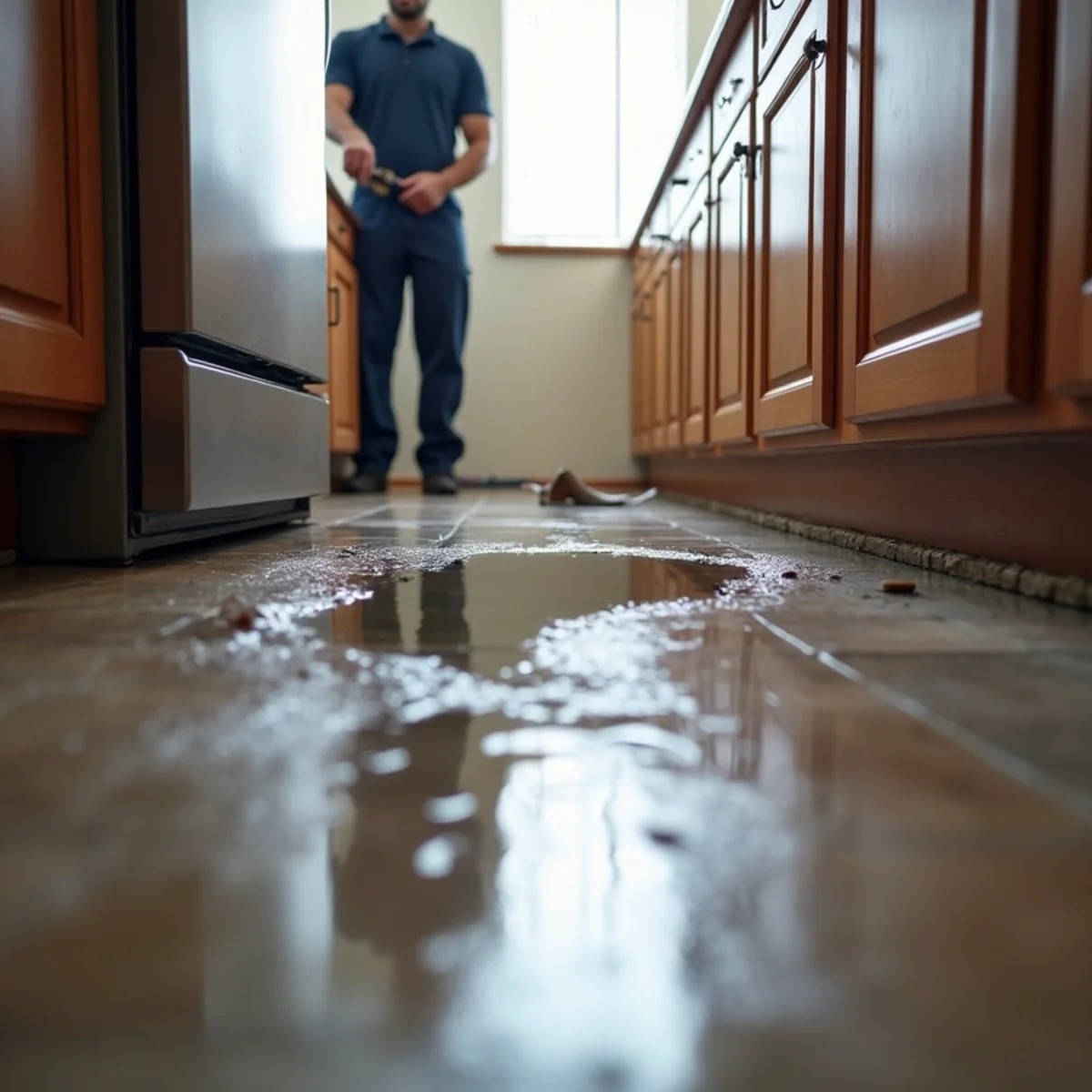
Dishwasher Leaked Overnight and Flooded the Kitchen — Now What?
The visible puddle is the least of it. Water under cabinets and beneath floating floors is where dishwasher leaks actually do damage.
6 min read
Emergency Guides
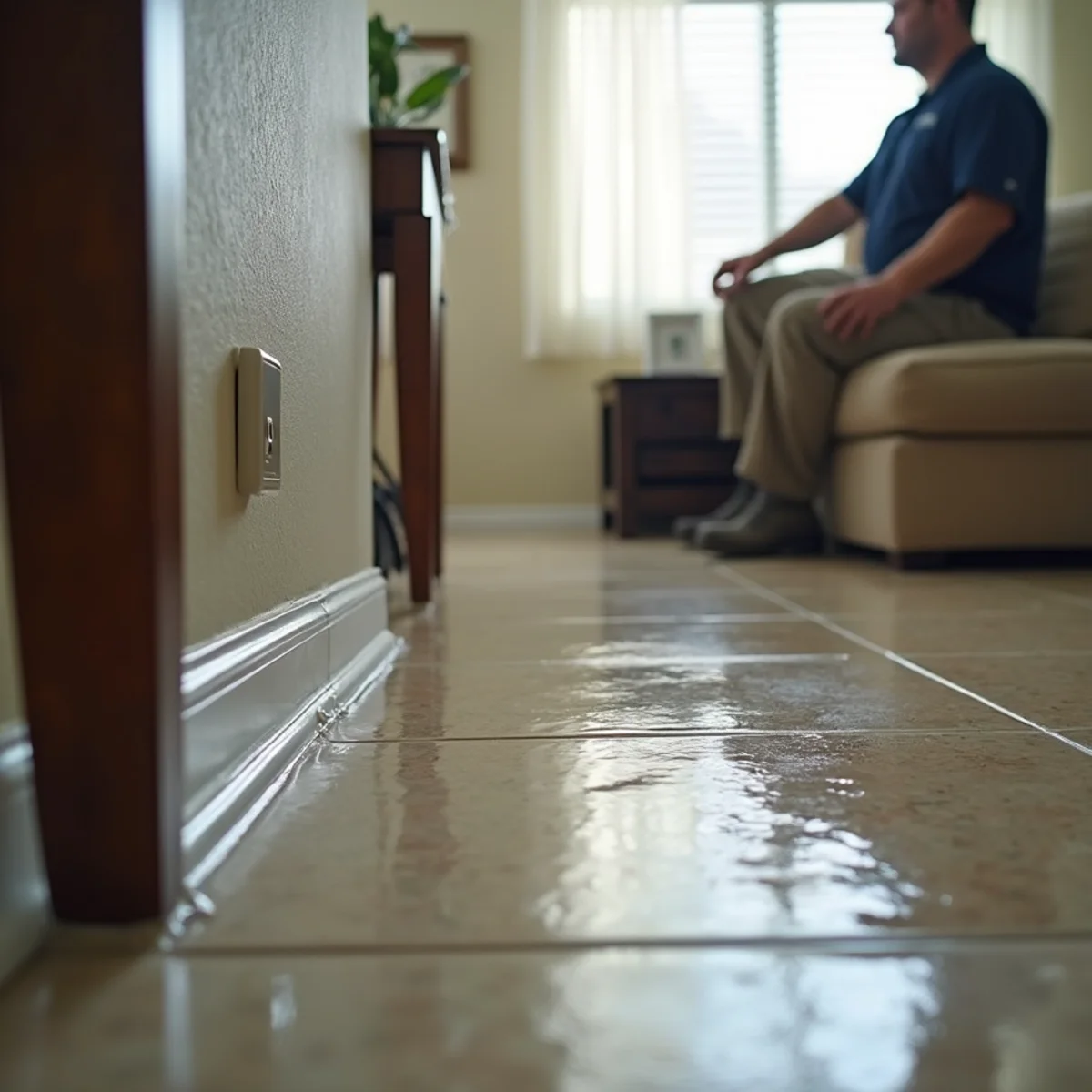
Standing Water in the House: Is It Safe to Stay, and Who Do You Call First?
Three questions decide it: is the electricity safe, what's in the water, and is the structure sound. Work through them in order.
5 min read
Emergency Guides
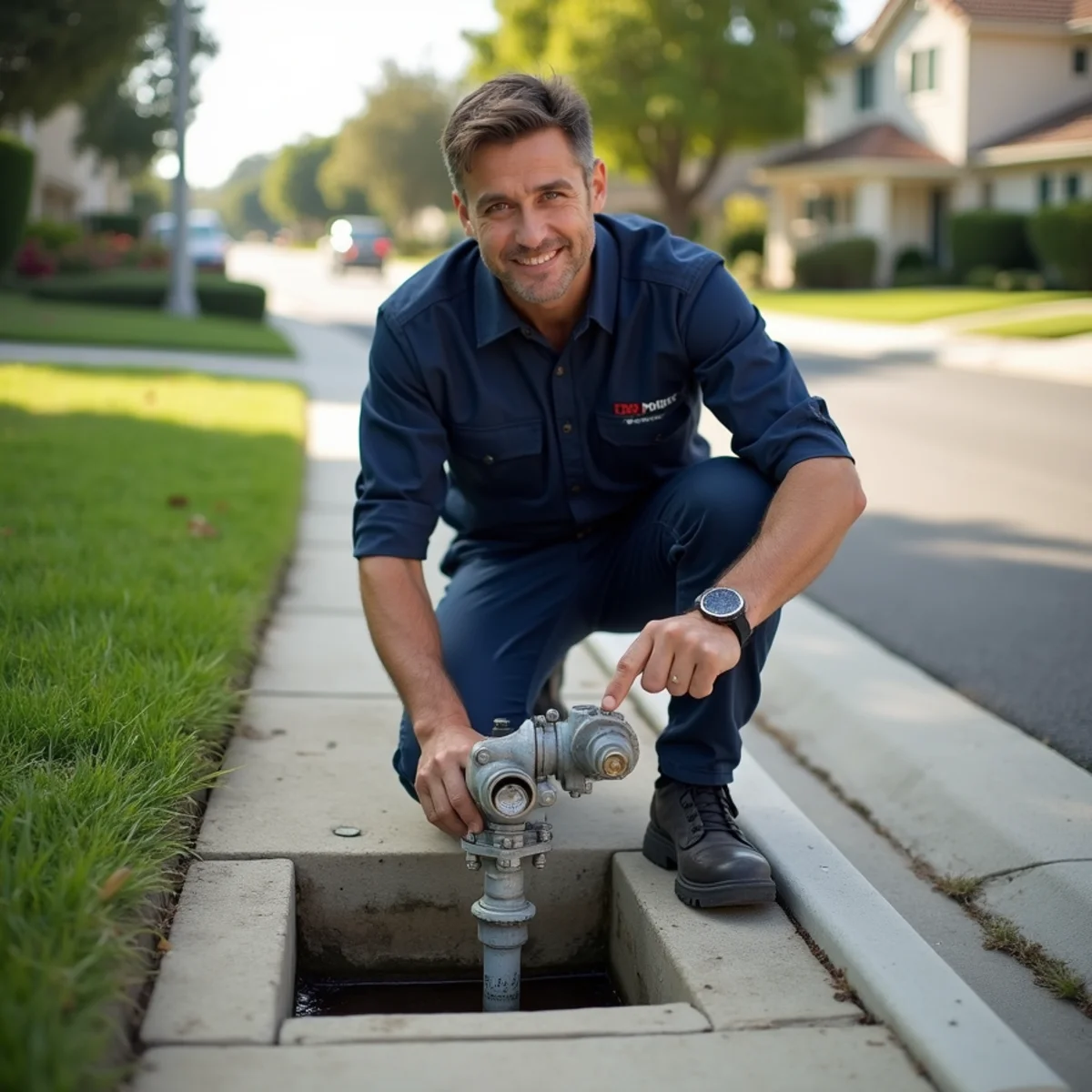
How to Find and Shut Off Your Home's Main Water Valve (Before You Ever Need To)
Do this on a Saturday afternoon in daylight, not at 2 a.m. in the dark with water rising. Here's exactly where to look.
4 min read