How Restoration Works
How Long Does Structural Drying Take? A Room-by-Room Timeline
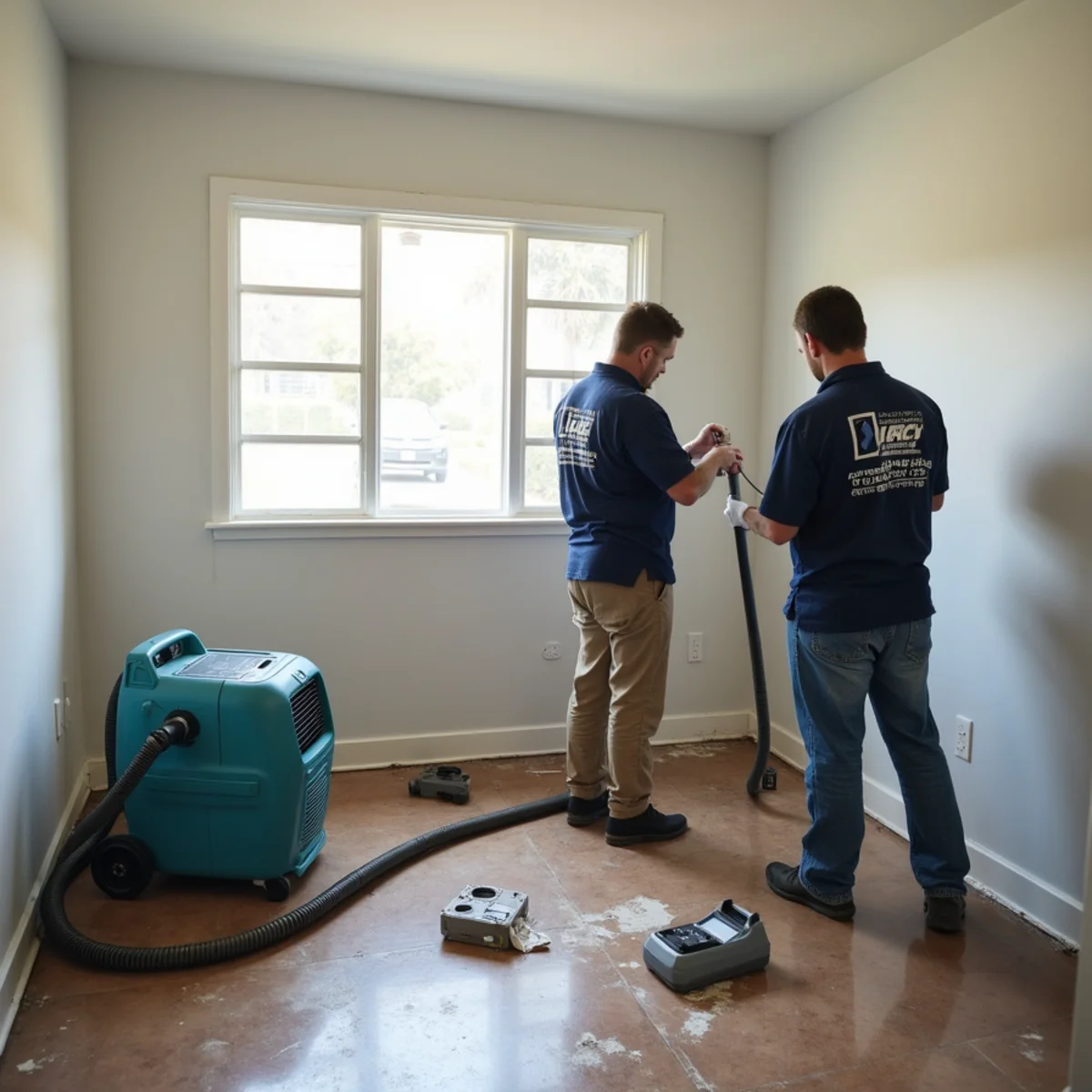
Dealing with this right now? We answer 24/7 and dispatch across Rancho Cucamonga in 60 minutes.
+1 (201) 277-9344The honest answer is three to five days for most residential losses — and the reason nobody can be more precise on day one is that drying is finished when the materials say so, not when the calendar does.
Here's what actually drives the schedule.
Three things that are not evidence a house is dry:
- It feels dry to the hand. Surfaces dry first and the core lags days behind.
- It looks dry. A stain stops spreading long before the material behind it is finished.
- It stopped smelling. Odour comes and goes with temperature and humidity.
What "dry" means
Every material has a normal moisture content for this climate. On day one we take readings from unaffected material of the same type elsewhere in your house — a wall in a bedroom that never got wet, framing in an untouched area. That becomes the dry standard: your target.
Then the affected materials get read daily at the same mapped points and charted against it. Equipment comes out when the numbers arrive.
This is what separates a documented dry-out from a guess, and it's the record your adjuster wants when they ask why equipment ran for five days.
Typical timelines by material
Carpet over slab — often the fastest surface, 2 to 3 days, provided the pad was extracted properly or replaced. But the slab underneath takes longer.
Drywall and framing — 3 to 5 days for a standard Category 1 loss where the wall is dried through released baseboards or injection.
Concrete slab — the slow one. Concrete absorbs moisture and releases it reluctantly. 4 to 7 days is common, longer for a large affected area. This is the step most frequently cut short, and cutting it short is why new flooring over a "dry" slab grows mold three months later.
Plywood or OSB subfloor — 3 to 5 days with access from below; longer if the only access is from above.
Hardwood flooring — 5 to 10 days with a mat drying system pulling moisture up through the boards under vacuum. Slow, and worth it when the alternative is replacement.
Plaster — longer than drywall, often 5 to 8 days. It holds far more moisture and gives it up slowly.
Crawl spaces — 5 to 10 days, and they need dedicated equipment. Drying the living space while ignoring a wet sub-area means the house re-humidifies through the floor.
What makes it slower
Volume, not floor area. Dehumidification capacity is sized to the cubic feet of air being conditioned. Vaulted ceilings and open plans hold two to three times the air of a same-footprint single-story — and under-equipping a large home is the most common reason a dry-out drags into a second week.
Dense and layered assemblies. Tile over a mud bed, cabinets with enclosed toe-kicks, built-ins, multi-layer flooring.
Cold weather. Warm air holds more moisture, so drying slows in a cold house. Controlled heat is part of the plan in winter.
High outdoor humidity. During a winter atmospheric river, outdoor air can carry more moisture than the air inside, and ventilating becomes counterproductive. We check dew point before deciding whether to open a structure or seal and dehumidify it.
Trapped water. Water sitting under floating laminate or inside a closed wall cavity doesn't evaporate on any useful schedule. It has to be released first — which is why lifting a plank section or drilling behind a baseboard early saves days later.
What makes it faster
Getting there quickly. Less water absorbed means less to remove.
Thorough extraction. Every gallon physically extracted is a gallon that doesn't need evaporating. Extraction is minutes of work replacing days of drying.
Correct equipment sizing from day one, calculated rather than estimated.
Removing what won't dry. Saturated pad, wet insulation and delaminated material dry the room faster once they're out of it.
Living with it
It's loud. Air movers run 24 hours a day and there's no quiet version. We position equipment to keep sleeping areas as workable as we can.
Don't turn it off. Not overnight, not because it's noisy. Drying is a continuous process and every interruption extends the schedule.
Keep doors and windows as instructed. Sometimes closed to contain the drying chamber, sometimes open — it depends on dew point, and the crew will tell you which.
Your power bill goes up. Meaningfully, for a few days. Keep the bill; on a covered claim it's frequently reimbursable and we include equipment run-hours in the documentation.
Ask for the daily readings. You should be shown numbers, not told "it's coming along."
What happens if you stop early
Equipment gets pulled early for understandable reasons — the noise, the heat, the electricity bill, or a room that feels dry to the hand. It is the most common way a professionally handled job still fails.
Materials release moisture from the inside out. A drywall surface, a subfloor face or a hardwood plank will feel and read dry at the surface while the core is still well above dry standard, and once the airflow stops that core moisture redistributes back outward over the following days. The room quietly returns to where it was.
What follows is predictable: cupping in hardwood that had flattened, a musty smell three or four weeks later, and growth in the wall cavity that surfaces as a stain or an odour a month or two after everyone considered the job finished.
Running your own box fans afterwards does not substitute. Fans move air; they do not remove water from it. Without dehumidification, air simply carries moisture from a wet material into another part of the house.
The only sound stopping point is meter readings on the affected materials matching a dry, unaffected reference area in the same building — not a fixed number of days, and not how the room feels.
How you'll know it's done
Every mapped material meets the dry standard, on consecutive readings. You get the final readings and the complete drying log.
Then — and only then — does reconstruction start. Installing flooring, insulation or drywall over material that hasn't reached target is the single most common cause of a mold call a few months later.
If a company pulls equipment without showing you a final number, ask for one before you let them start rebuilding.
We run this process the same way across the city, from the slab-era tracts around Central Park to the older ranch housing in La Verne where hardwood over slab frequently means a longer, gentler schedule.
Questions about a drying job in progress? +1 (201) 277-9344.
FAQ
Questions people also ask
Can I turn the equipment off at night because it's loud?
Please don't. Drying is a continuous process — every interruption extends the schedule and gives materials a chance to re-equalise moisture from surrounding areas. If placement is making a bedroom unusable, tell the crew and they'll adjust positioning where the drying plan allows.
Why does the slab take longer than everything else?
Concrete absorbs moisture and releases it slowly, so a slab commonly needs 4 to 7 days when the carpet above it reads dry in 2 or 3. It's the step most often cut short, and laying new flooring over a slab that hasn't reached its dry standard is a mold problem on a delay.
How do I know it's actually dry?
By the numbers. Every affected material should be read daily at the same mapped points against a dry standard taken from unaffected material of the same type in your house. Ask to see the daily log and the final readings. If a company can't produce numbers, they're guessing.
Does the weather outside change how long it takes?
Yes, more than people expect. The Inland Empire's dry air is an advantage most of the year — outside air holds little moisture, so it carries a lot away. During a wet, cool spell that advantage disappears and the dehumidifiers do proportionally more of the work, which slows things. It is one reason the same loss can take four days in September and seven in February.
Services mentioned
- Structural DryingAir movers and commercial dehumidifiers placed to a calculated load, with daily moisture readings you get to see.
- Water ExtractionTruck-mounted units pull standing and sub-surface water out in hours — the step that decides whether your floors survive.
- Water Damage RestorationEmergency extraction, structural drying and full rebuild — one crew from the first phone call to the final walkthrough.
Keep reading
How Restoration Works
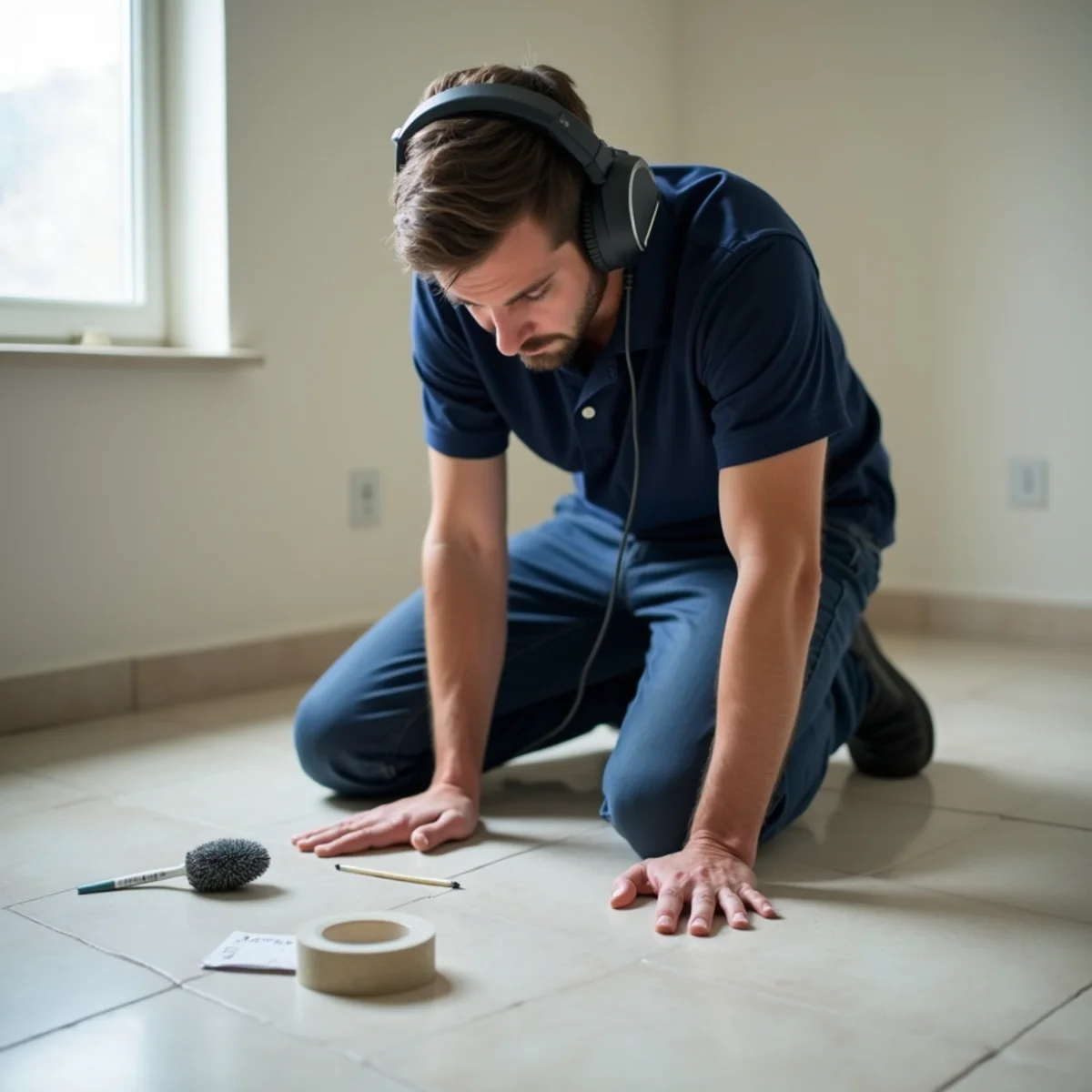
How Pros Find Slab Leaks Without Tearing Up Your Whole Floor
Four techniques that turn 'somewhere under the west half of the house' into a marked spot on your floor.
5 min read
How Restoration Works
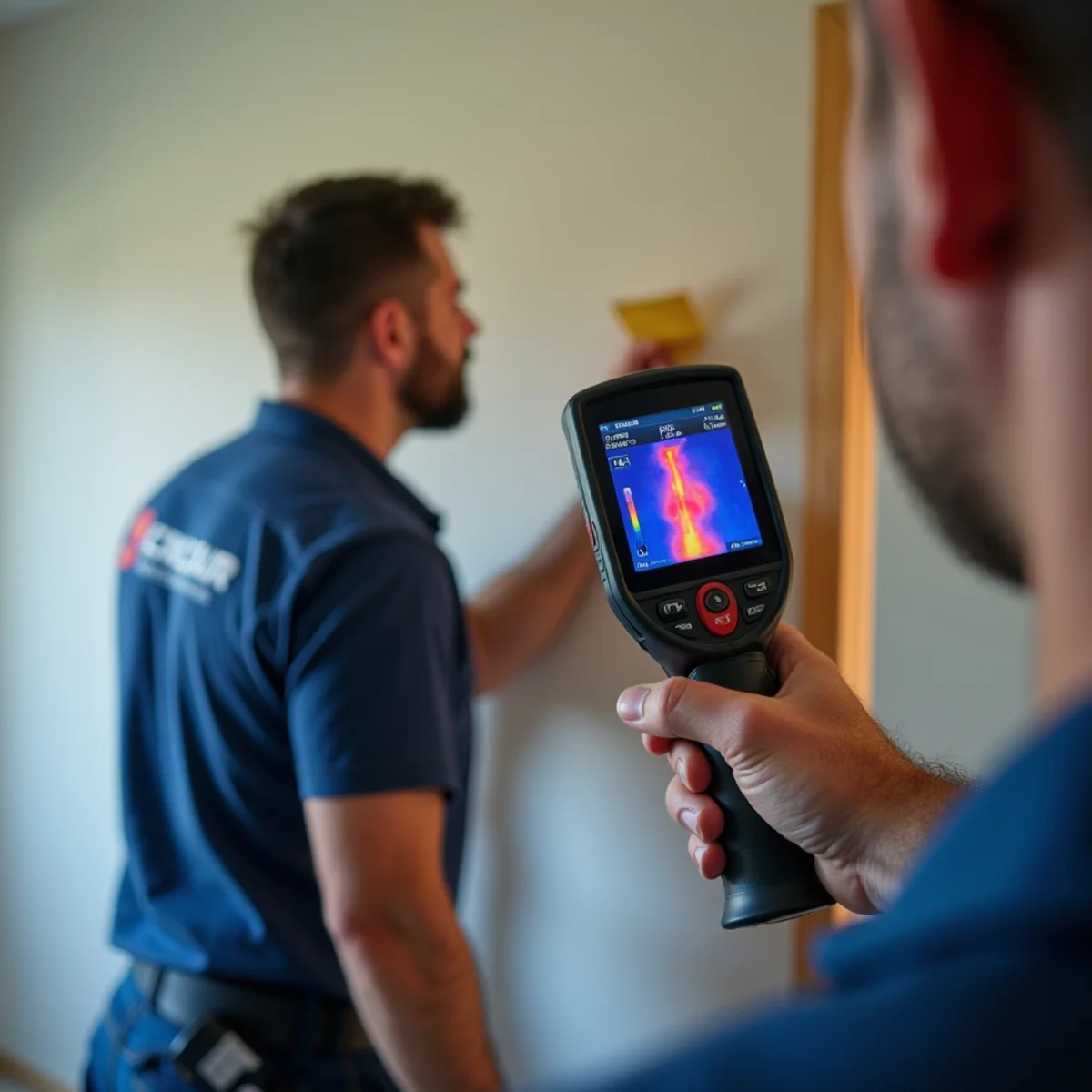
Hidden Leak Symptoms: Warm Floor Spots, High Water Bills, and the Sound of Running Water
Hidden leaks announce themselves indirectly. Here are the signals worth acting on, and the meter test that settles it.
5 min read
How Restoration Works
Black Mold vs. Mildew: How to Tell the Difference and When to Call a Pro
One wipes off a shower tile. The other is growing in the material. Here's how to tell which you have without a lab.
5 min read