
Prevention & Maintenance
The 10-Minute Monthly Leak Inspection: Everywhere Water Hides in Your Home
Dealing with this right now? We answer 24/7 and dispatch across Rancho Cucamonga in 60 minutes.
+1 (201) 277-9344The dramatic failures — a burst pipe, a water heater letting go — are the ones people fear. The expensive ones are the slow leaks that ran for three months behind a cabinet.
Every one of those is findable in ten minutes a month. Here's the walkthrough.
Keep these four things together so the inspection stays a ten-minute job rather than a project:
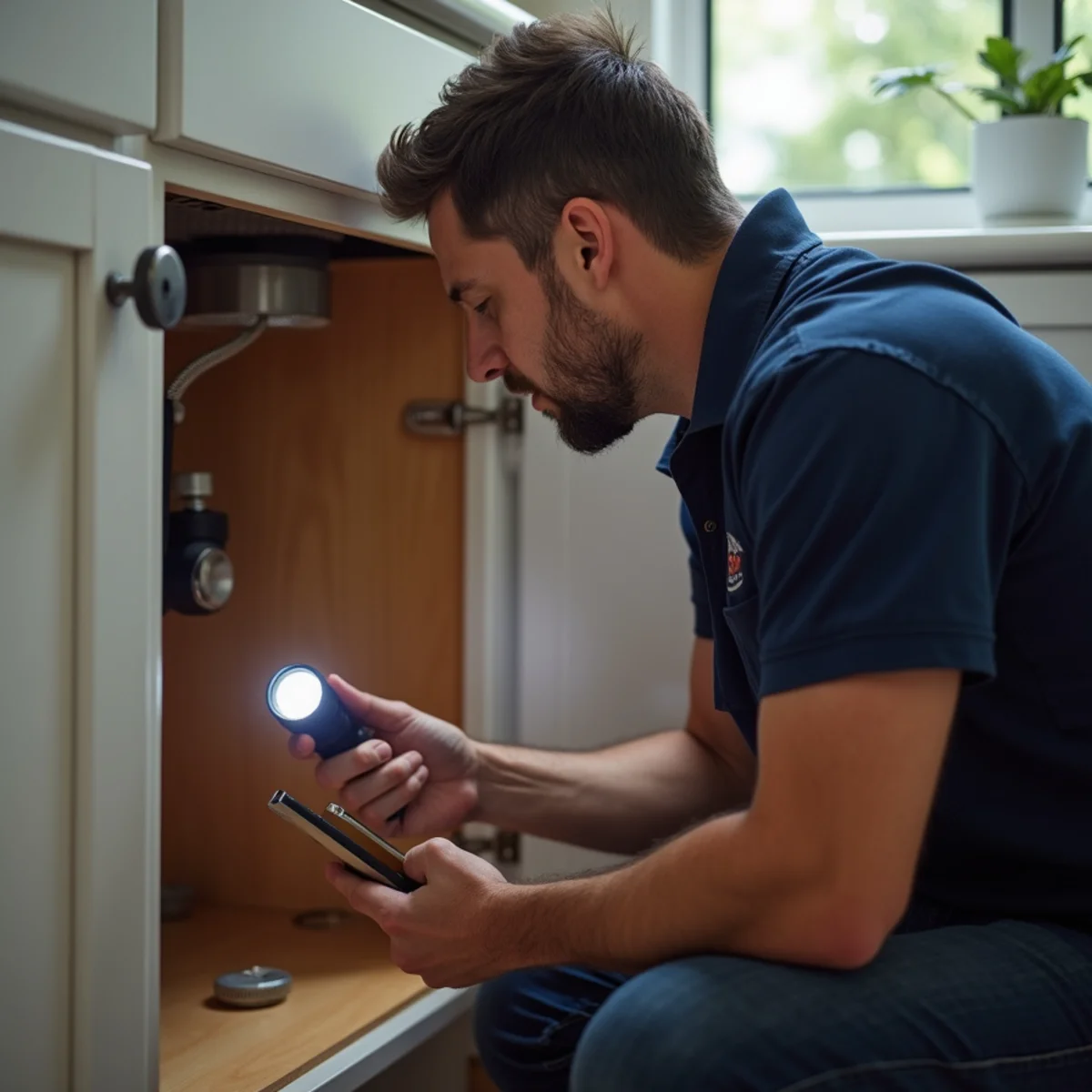
- A small torch — most of what you are looking for is at the back of a dark cabinet.
- A dry paper towel, for testing whether a fitting is actually weeping or just cold.
- Your phone, to photograph anything you want to compare next month.
- The meter key or wrench, for the quarterly meter check.
Under every sink (2 minutes)
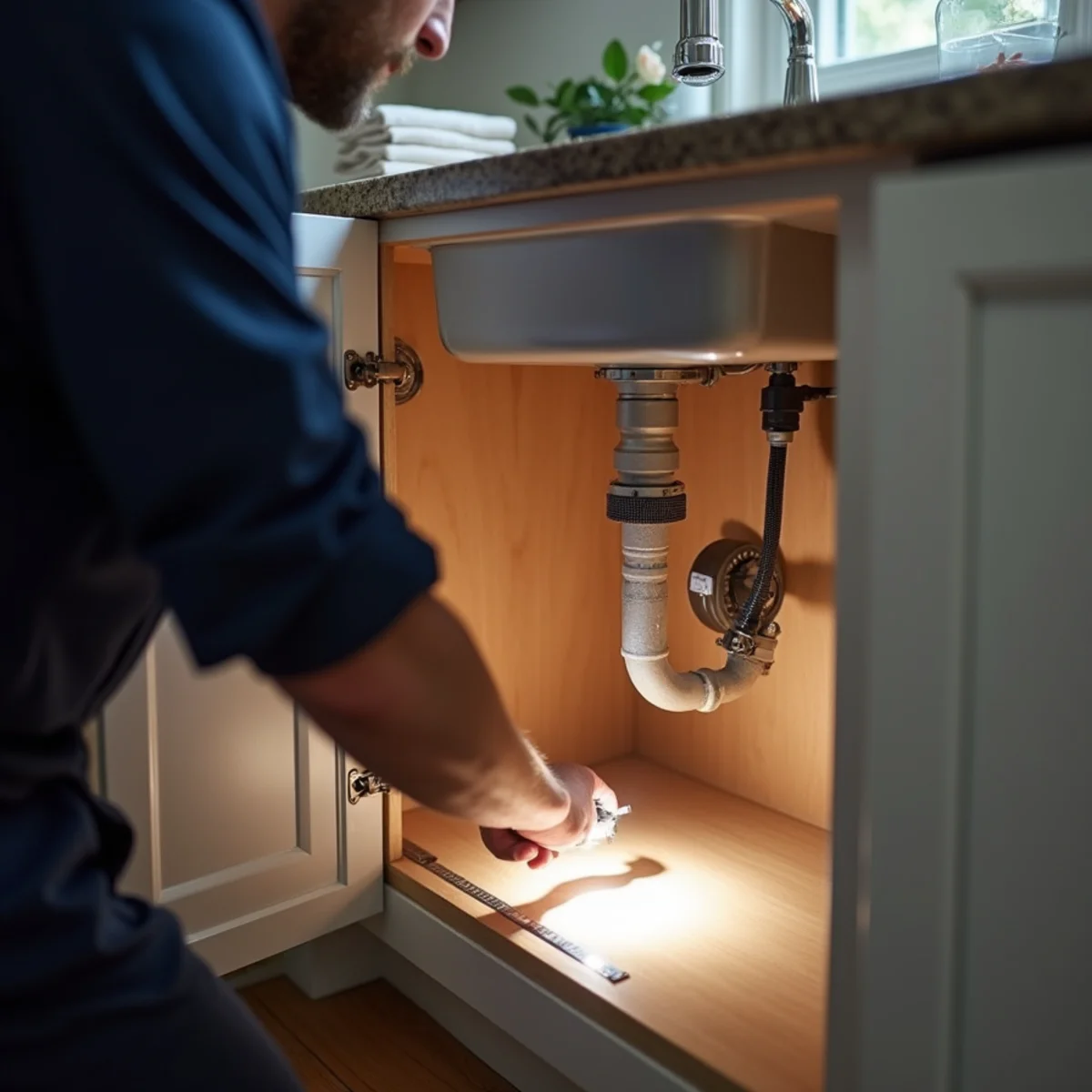
Open the cabinet. Get your head in there with a phone light.
Look at: the two angle stops on the wall, the supply lines running up to the faucet, the P-trap and the drain connections, the garbage disposal body, the water filter or RO unit if you have one.
Feel: the cabinet floor, especially the back corners. Run your hand flat across it.
Look for: any dampness; white or green crusty mineral deposits (a sign of a slow weep that dries and leaves residue); staining or discoloration on the cabinet base; any soft or spongy spot; rust on a shut-off valve.
Why the cabinet floor matters: it's almost always particle board, which absorbs water, swells and never recovers. It's also dark and unventilated, which makes it one of the best mold-growing spots in your house.
Behind every toilet (1 minute)
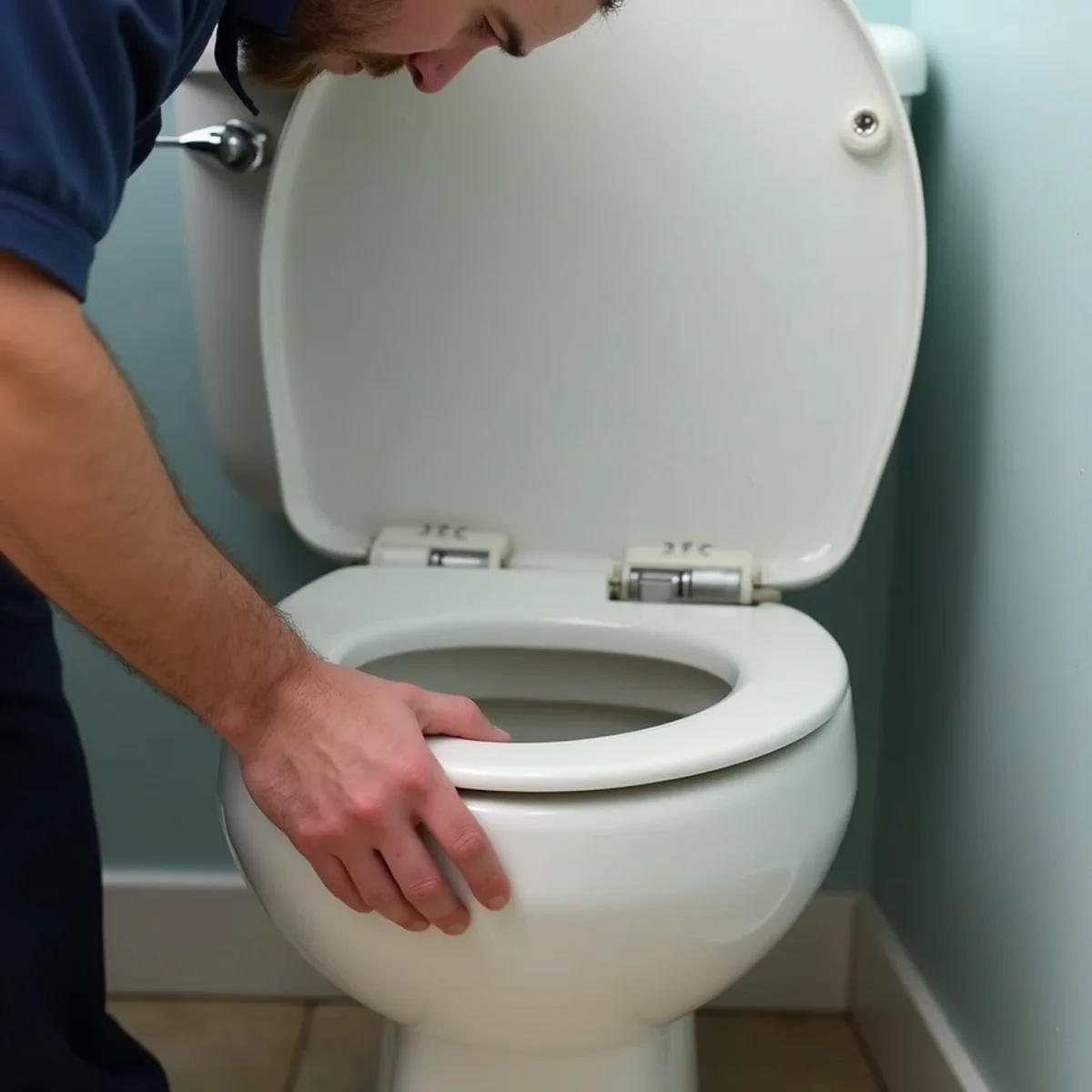
Look at: the angle stop on the wall, the supply line, the base of the toilet where it meets the floor, and the tank-to-bowl connection.
Feel: the floor around the base, and the flooring immediately behind.
Check for a running toilet — the most common invisible waster. Put a few drops of food colouring in the tank, wait fifteen minutes without flushing, and look in the bowl. Colour in the bowl means the flapper is leaking. Cheap part, ten-minute fix.
Also check: any softness in the flooring around the base. A toilet leaking at the wax ring wets the subfloor from underneath and rots it quietly.
The water heater (1 minute)
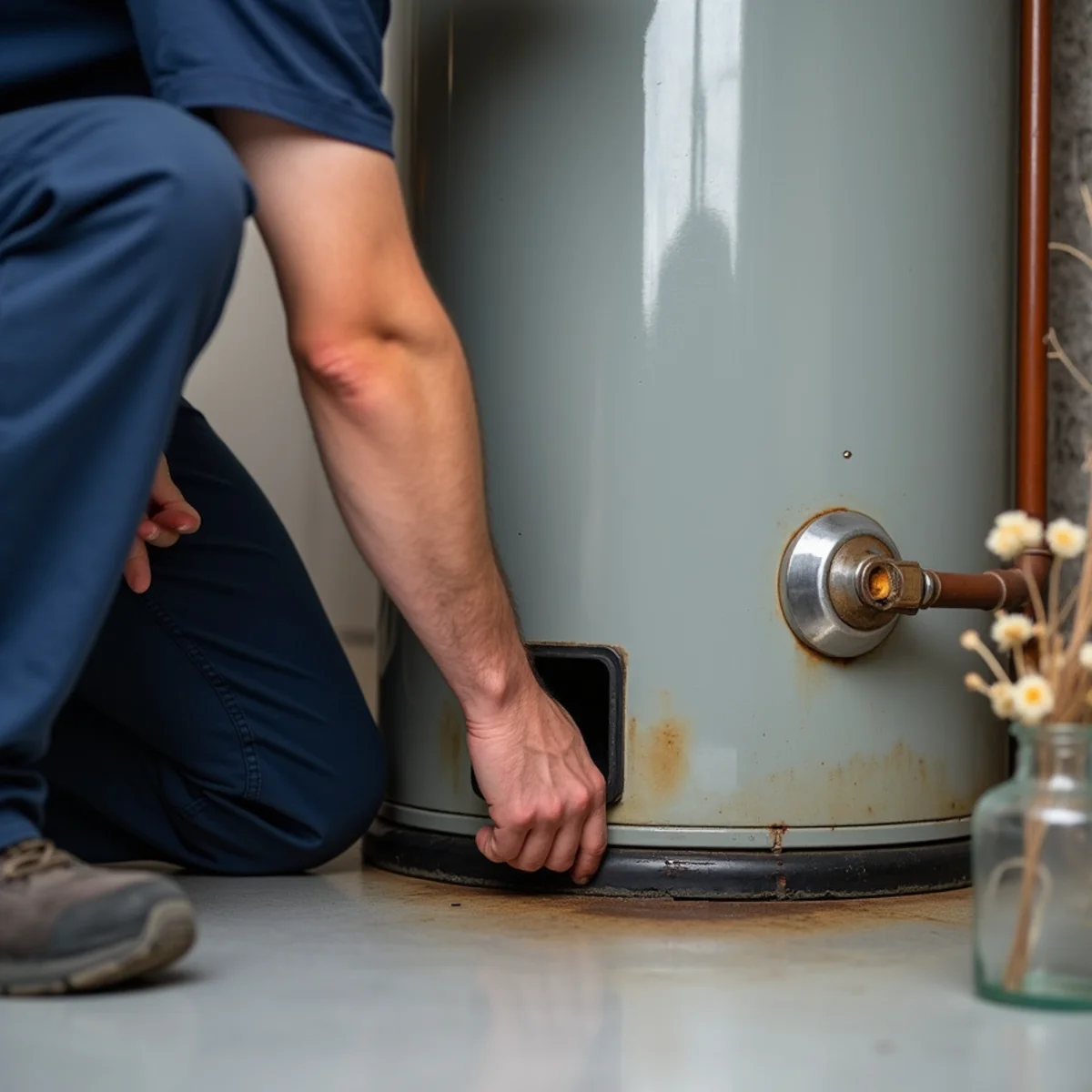
Look at: the base of the tank for rust staining or a puddle; the wall behind it for damp or discoloured drywall; the T&P valve discharge pipe for signs of water; the fittings at the top.
Check the manufacture date on the label. Past ten years, plan the replacement rather than waiting.
Check the drain pan — is there one, and is it actually piped to a drain or the exterior? A pan going nowhere holds about a gallon.
The washing machine (1 minute)
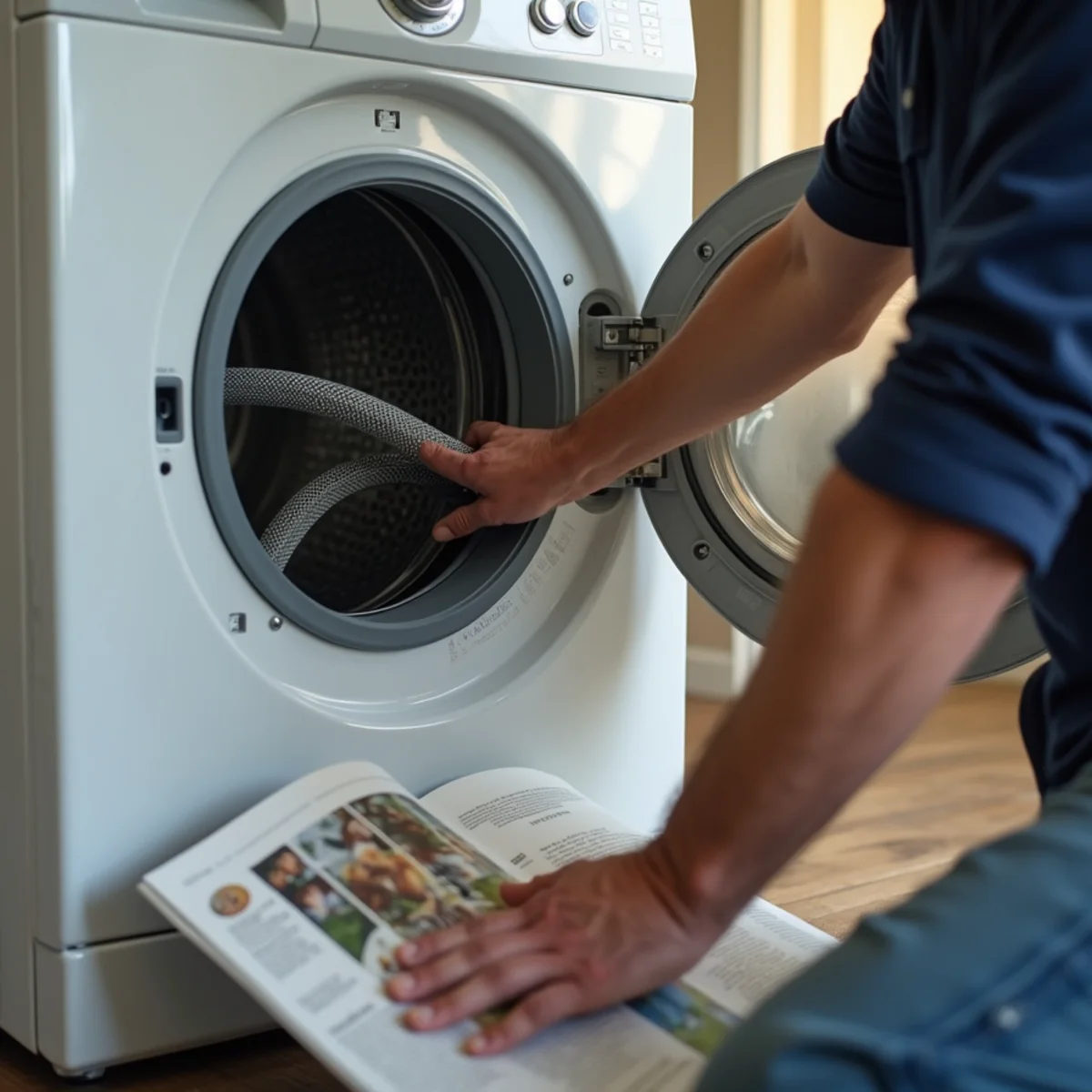
Look at: the two hoses at the wall, and the valves themselves.
Feel: behind and under the machine if you can reach.
Check hose age. Rubber hoses have a three-to-five year life and are one of the most common causes of home flooding. Replace them once with braided stainless — about fifteen dollars each.
Pull the machine out occasionally and look at the wall behind it. A pinhole in a hose sprays a fine mist that soaks the wall for weeks before the hose actually splits.
The dishwasher and refrigerator (1 minute)
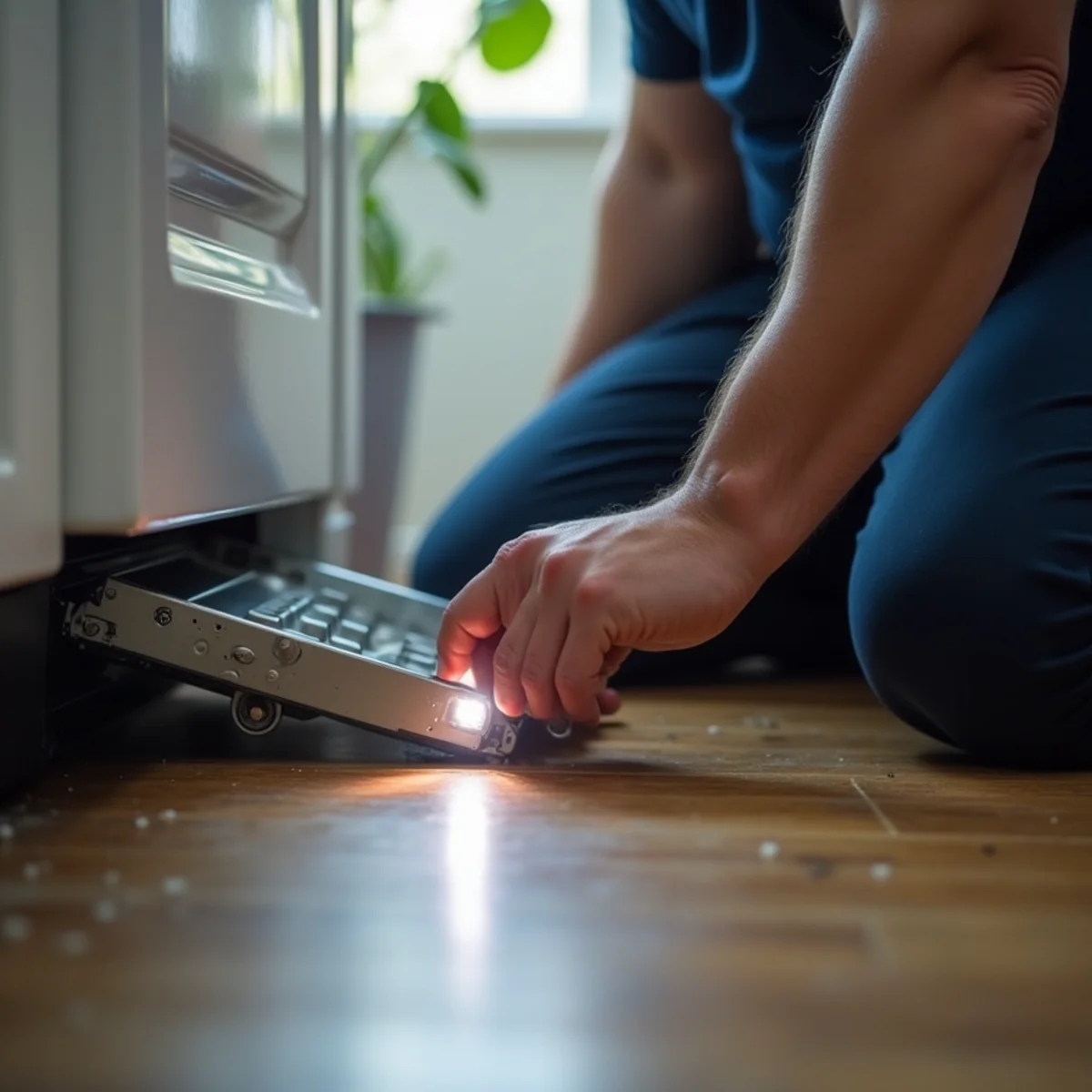
Dishwasher: look at the base of the unit and the floor immediately in front. Then pull off the toe-kick panel — the recessed cover under the cabinet doors — and look underneath with a light. That void collects water and nobody ever looks in it.
Refrigerator: if it has an icemaker or water dispenser, there's a supply line. Pull the fridge out and check the line, the connection, and the floor underneath. Icemaker lines are a classic slow-leak source, particularly the older plastic ones.
Ceilings and walls (2 minutes)
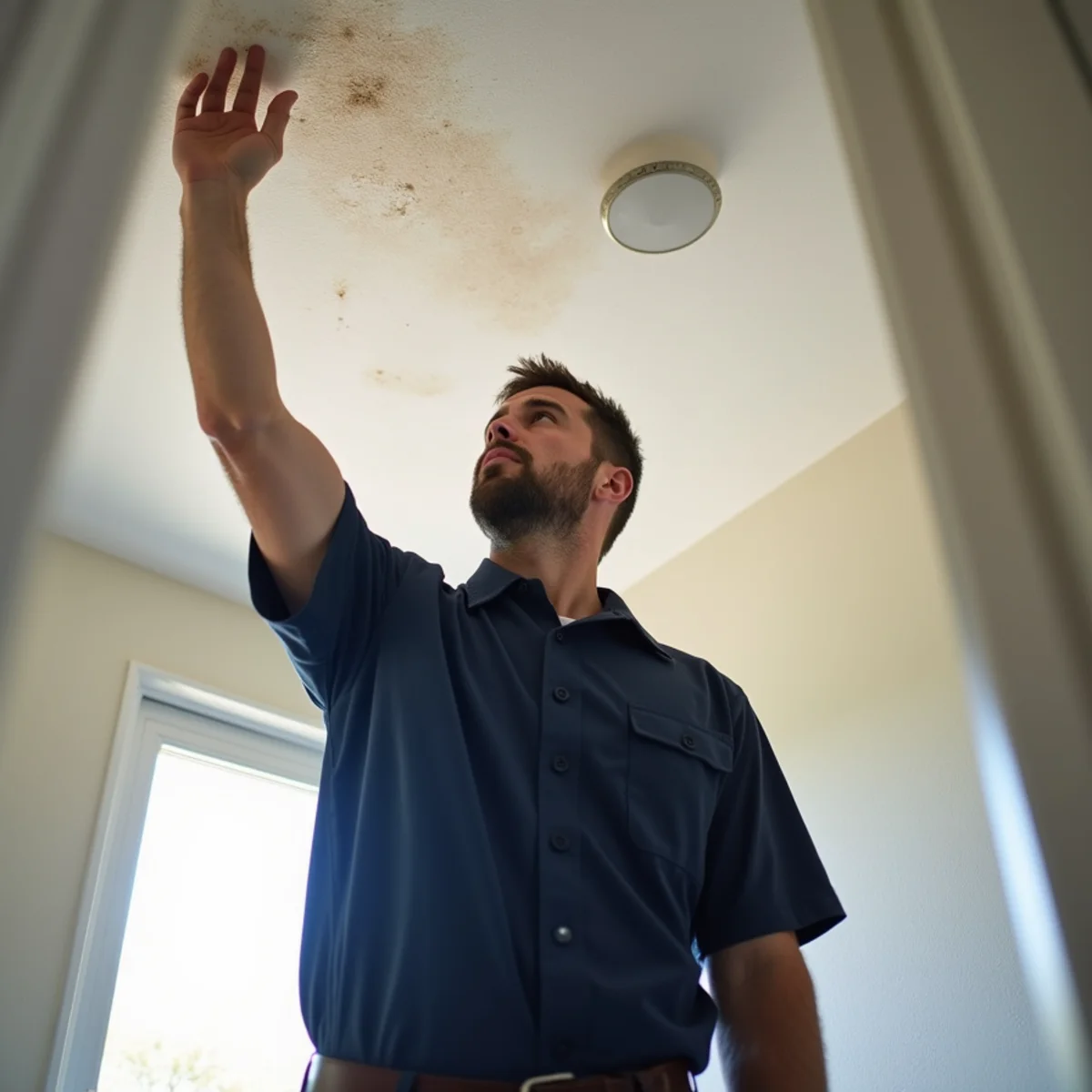
Walk the house and look up and along.
Look for: any new staining or discoloration on a ceiling; bubbling or peeling paint; a bulge or sag; cracking that has appeared in a line; discoloration at the base of a wall or on baseboards.
Pay attention to: ceilings under upstairs bathrooms and laundries, ceilings under attic HVAC equipment, and walls that back onto plumbing.
Floors (1 minute)

Walk barefoot if you can.
Feel for: a warm spot (classic hot-side slab leak), a soft or spongy area, cupping or lifting at flooring seams, and any area of carpet that feels cooler and damp.
Look for: staining at the base of walls, and gaps opening where baseboard meets floor.
Outside (1 minute)

Look for: an unusually green or fast-growing strip of grass (a leaking service or irrigation line fertilises what's above it); a soft or soggy patch that stays wet between waterings; water pooling near the foundation; dripping hose bibs.
The meter check (once a quarter)
Turn off everything that uses water — every fixture, the ice maker, the irrigation controller, the pool auto-fill. Then watch the leak indicator on your water meter for two minutes.
Any movement means water is leaving the system. It's the single most definitive test available and it needs no equipment.
Why this pays
A slow leak found in month one is a plumbing repair.
The same leak found in month four is a plumbing repair plus wet cabinetry, plus a wet wall cavity, plus mold remediation with containment, plus a rebuild. Frequently uninsured too, because gradual damage from a long-term leak is typically excluded while sudden discharge is covered.
The whole difference is whether anybody looked.
What to do when you find something
The inspection is only useful if a finding leads somewhere, and most of what you turn up falls into three tiers.
Fix it yourself today. A loose supply connection at a stop, a slow drip at a trap nut, a hose that has worked loose from the standpipe, a supply line whose braided sheath looks corroded. These are hand-tight adjustments or twenty-dollar parts.
Book a plumber this week. An angle stop that weeps when turned or will not close, a toilet that runs intermittently, a water heater with rust at a fitting or moisture in the pan, visible corrosion on a supply line at the appliance. None of these are emergencies; all of them are cheaper now than as a failure.
Call today, before it spreads. Any active leak into a cavity rather than into a room — a damp base to a cabinet, a soft spot in a floor, a stain on a ceiling, a musty smell you can locate. Also anything the meter test flags with no visible source, which means water is escaping somewhere you cannot see.
The distinction that matters is not how much water there is. It is whether it is going into a room, where it evaporates, or into a structure, where it does not.
Where it matters most
Newer homes — the 2000s-and-later tracts across Chino, Eastvale and Ontario Ranch — where the pipe is fine but every connection point is aging. This inspection is aimed almost perfectly at those failures.
Homes with long-tenure owners — places like Windrows and Heritage Village — where nothing has forced component replacement in twenty years.
Any rental at turnover. Ten minutes between tenants catches what a tenant might not report for months.
Found something? Free assessment: +1 (201) 277-9344.
FAQ
Questions people also ask
How often should I do this?
Monthly is ideal and takes ten minutes. Quarterly is a reasonable minimum. Add the water meter test every quarter — turn everything off and watch the leak indicator — because that catches leaks in places a visual walkthrough can't reach, like under a slab.
What does a slow leak look like before it's obvious?
White or green crusty mineral deposits on a fitting are the classic sign — that's residue from water weeping and drying repeatedly. Also: a cabinet floor that feels soft or looks stained, a musty smell inside a cabinet, and bubbling paint or a discoloured baseboard on the other side of a plumbing wall.
Are leak sensors worth buying?
Yes, and they're inexpensive. Put battery sensors under each sink, behind toilets, next to the water heater and behind the washing machine — the places this inspection covers. They catch the failure that starts while nobody's home, which is when most of the expensive ones start.
I found something. What now?
Three tiers. Fix today: a loose supply connection, a slow drip at a trap nut, a drain hose worked loose from the standpipe. Book a plumber this week: an angle stop that weeps or will not close, a toilet that runs intermittently, rust at a water heater fitting. Call immediately: anything leaking into a cavity rather than into a room — a damp cabinet base, a soft floor, a ceiling stain, or a meter that moves with everything shut.
Services mentioned
- Leak DetectionThermal imaging, acoustic listening and moisture meters find the leak before we open anything up.
- Mold RemediationContainment, HEPA filtration, source removal and moisture correction — remediation that fixes the cause, not just the stain.
- Water Damage RestorationEmergency extraction, structural drying and full rebuild — one crew from the first phone call to the final walkthrough.
Keep reading
Prevention & Maintenance
Smart Water Sensors and Automatic Shut-Off Valves: Are They Worth It for Your Home?
One is twenty dollars and tells you. The other is a plumber visit and acts. Here's who needs which.
5 min read

Prevention & Maintenance
Gutters, Downspouts, and Yard Drainage: A Pre-Rainy-Season Checklist for Foothill Homes
Hillside water has momentum and a direction. Here's how to make sure yours goes somewhere other than your foundation.
5 min read
Prevention & Maintenance
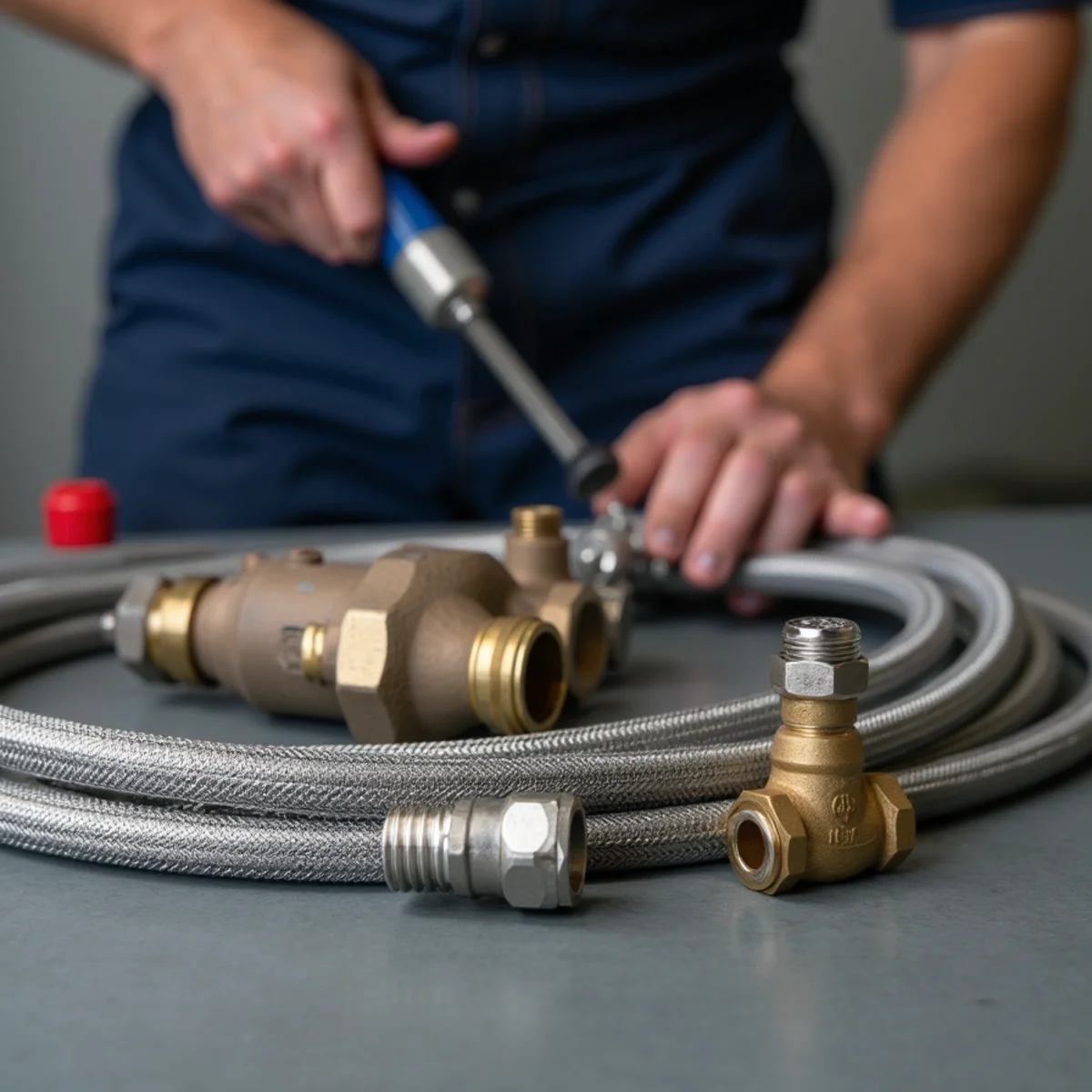
When to Replace Washing Machine Hoses, Water Heaters, and Supply Lines (The Ages That Matter)
A table of ages, and the honest advice on which to replace proactively and which to run to failure.
5 min read