
Prevention & Maintenance
Gutters, Downspouts, and Yard Drainage: A Pre-Rainy-Season Checklist for Foothill Homes

Dealing with this right now? We answer 24/7 and dispatch across Rancho Cucamonga in 60 minutes.
+1 (201) 277-9344On flat ground, storm water pools and eventually soaks away. On a slope, it arrives with momentum and a direction — and if the drainage that was designed to manage it has quietly stopped working, it goes wherever the grade sends it.
Which is frequently at your house.
Here's the pre-season checklist for hillside and foothill properties.
Gutters
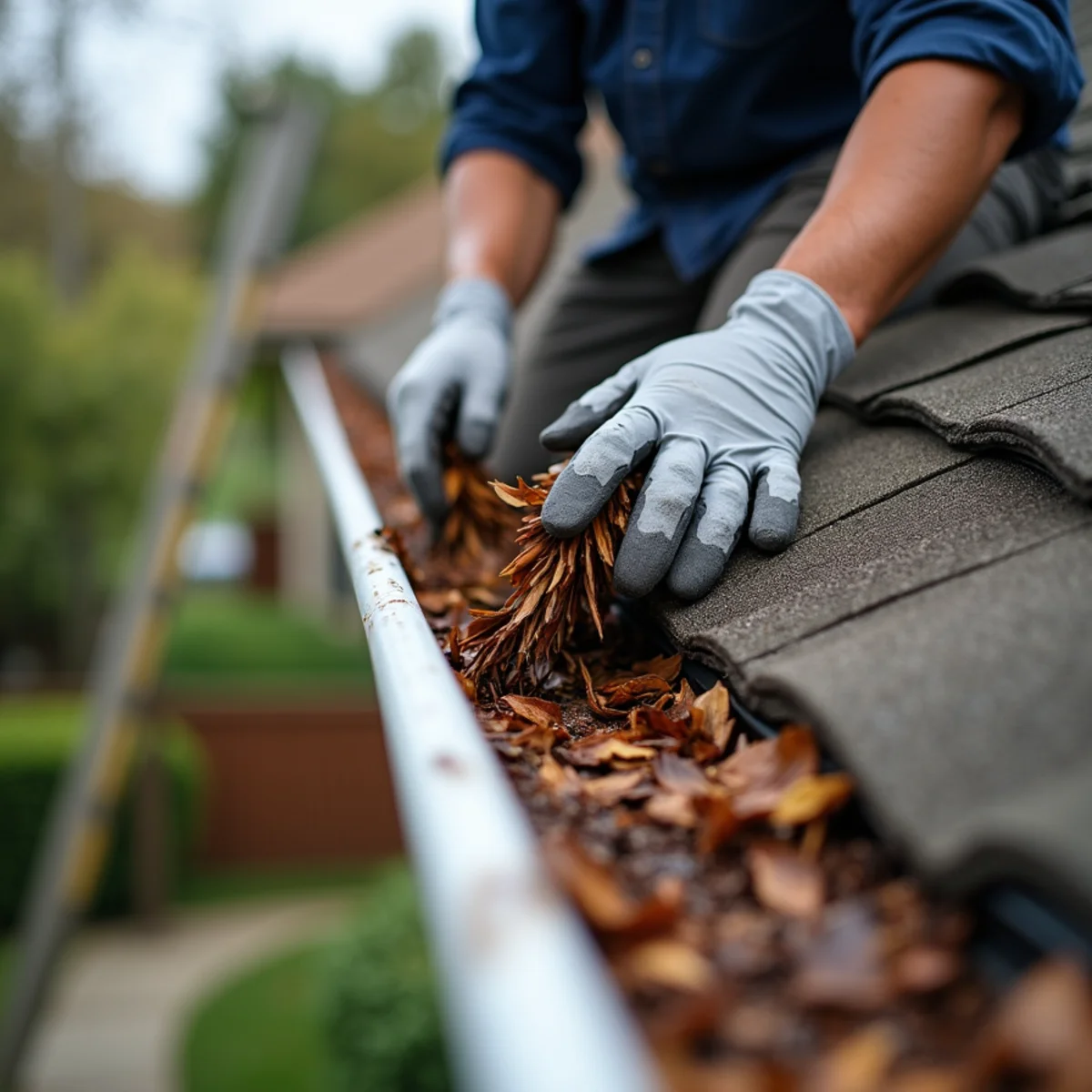
Clear them completely. Leaves, needles, sediment, roof grit. Eight dry months produces a surprising amount.
Check the fall. Gutters should slope toward the downspouts. Check for sections that have sagged and now hold standing water — usually visible as a residue line or actual water sitting in them.
Check the fasteners. Santa Ana winds work on gutter attachments all autumn. A gutter that has pulled away at one end dumps water directly down the wall.
Test with a hose. Run water into the far end of each run and watch where it goes.
Downspouts — the highest-return item
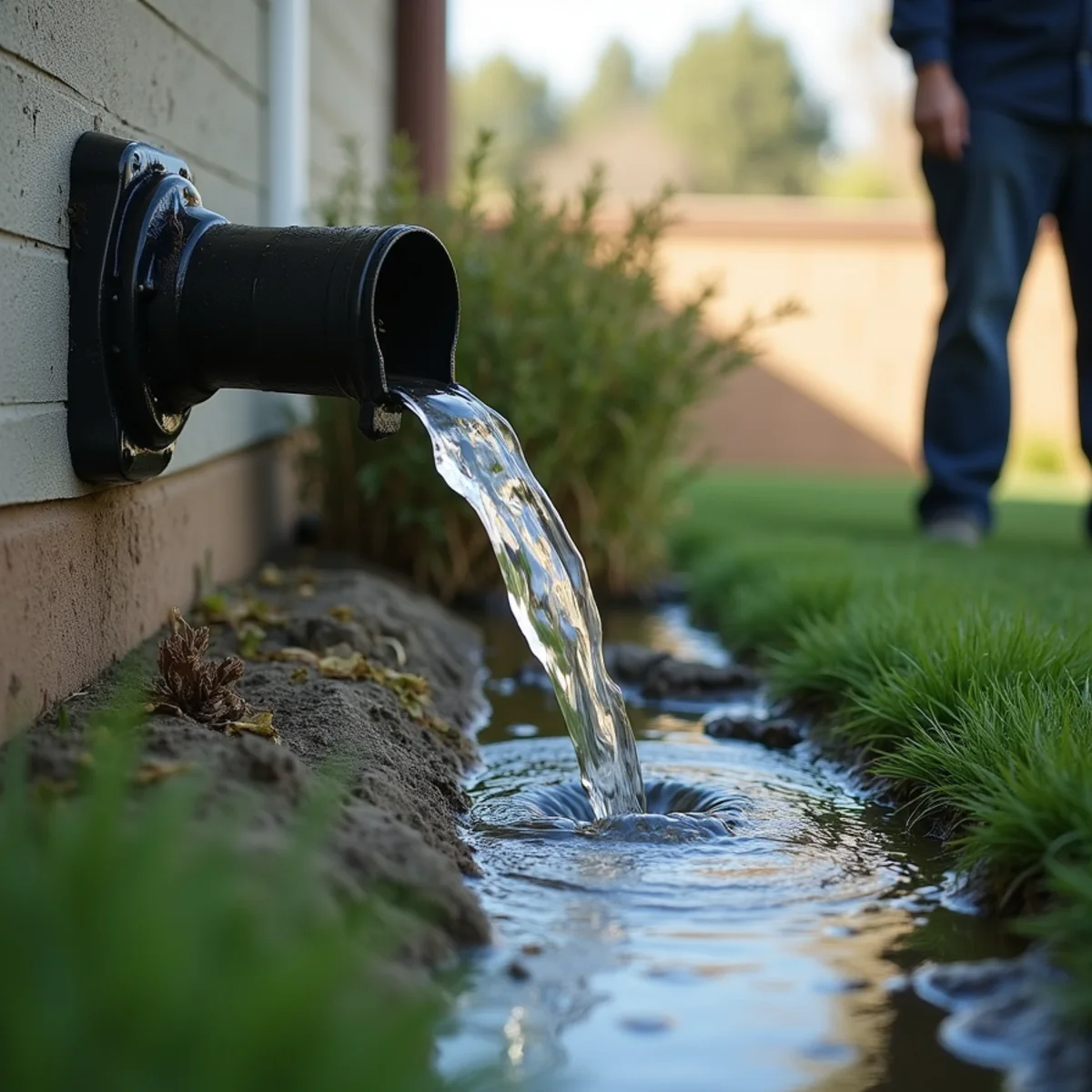
A roof collects an enormous volume in a heavy storm and delivers all of it to a handful of points. If those points are beside your foundation, you've concentrated the entire roof onto your wall.
Every downspout should discharge at least several feet from the foundation — and further on a slope, because the water will run back toward the house if the grade sends it there.
Extensions cost a few dollars. Flexible corrugated ones work; rigid ones look better and last longer.
If a downspout ties into an underground drain line, test it: run a hose into the top and confirm water emerges at the outlet. Buried lines block, crack and get crushed, and you won't know until the storm.
Grading
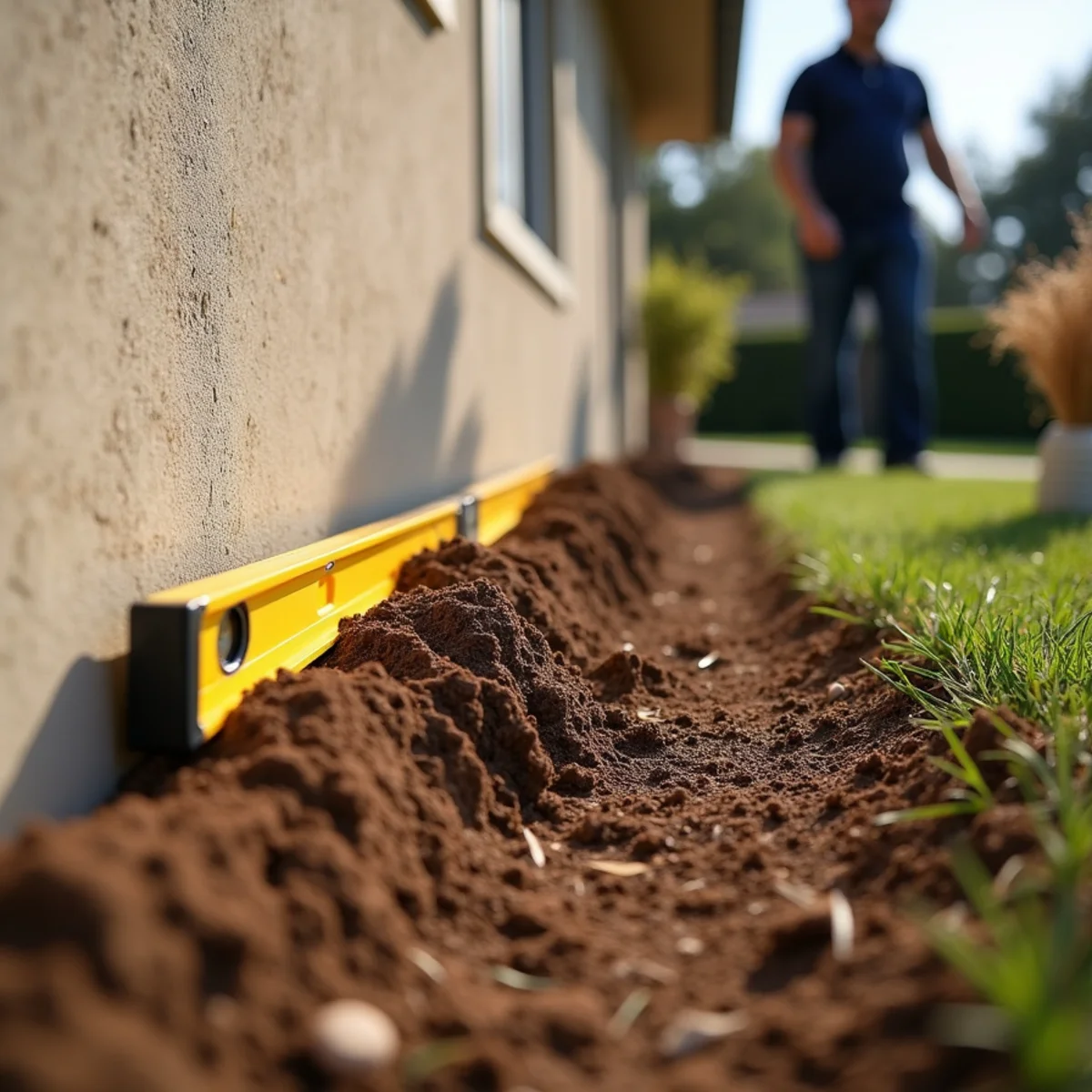
Walk all four sides and look at the ground against the wall.
It should fall away from the house — a noticeable slope over the first few feet.
What defeats it: twenty years of soil settlement, raised planting beds built against the wall, new patios and driveway extensions, and mulch or soil piled above the original grade.
On a slope, also check the uphill side specifically. That's where sheet flow arrives, and it's where a flat or reversed grade does the most damage.
Yard drains and area drains
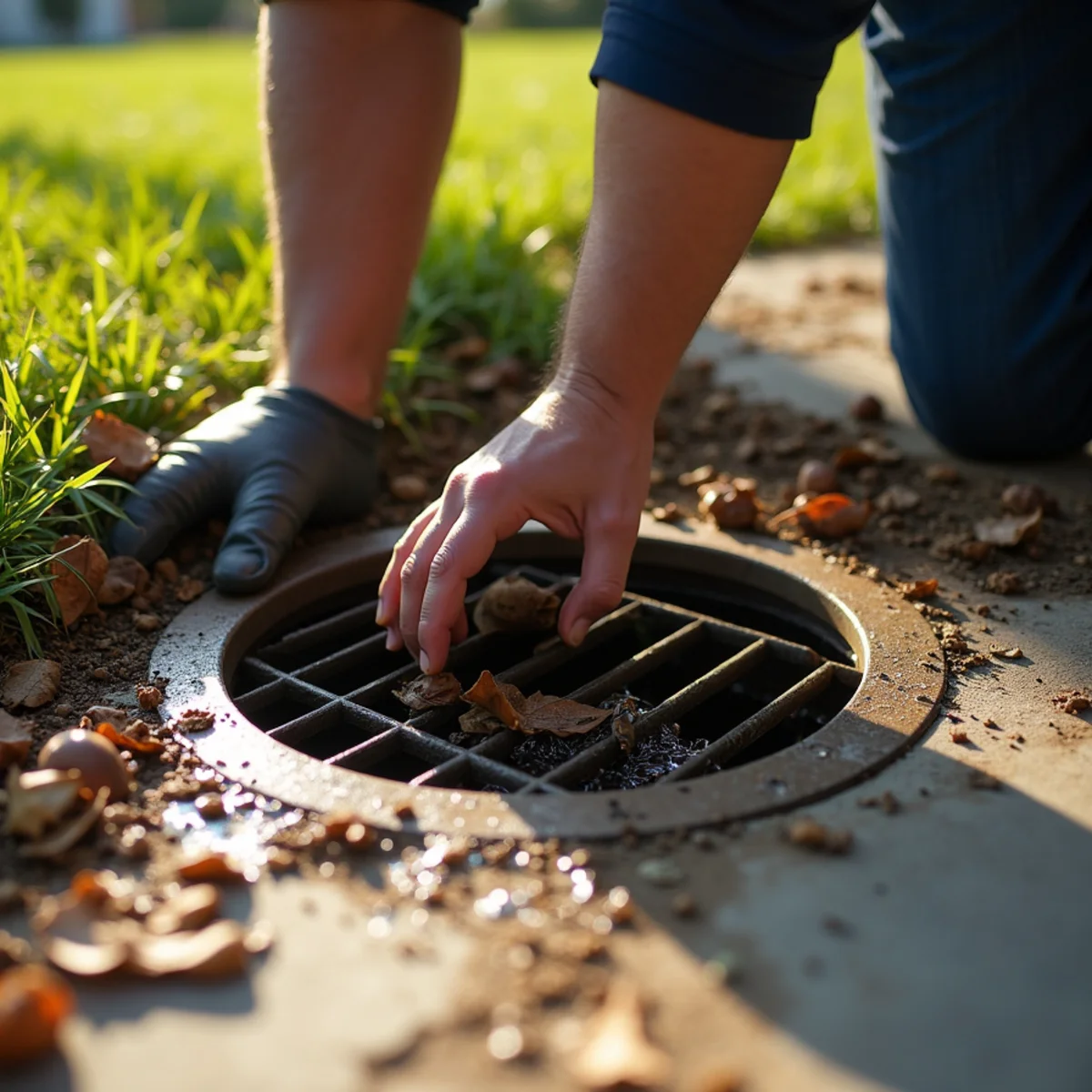
Flush every one with a hose. Confirm water goes in and comes out at the outlet.
Eight dry months fills them with leaves and sediment, and a blocked drain in a low spot beside a threshold is exactly how water gets into a garage.
Check the grates are clear and seated.
Find the outlets. A lot of homeowners have never seen where their yard drains discharge. Worth knowing, because a blocked outlet backs the whole system up.
Swales
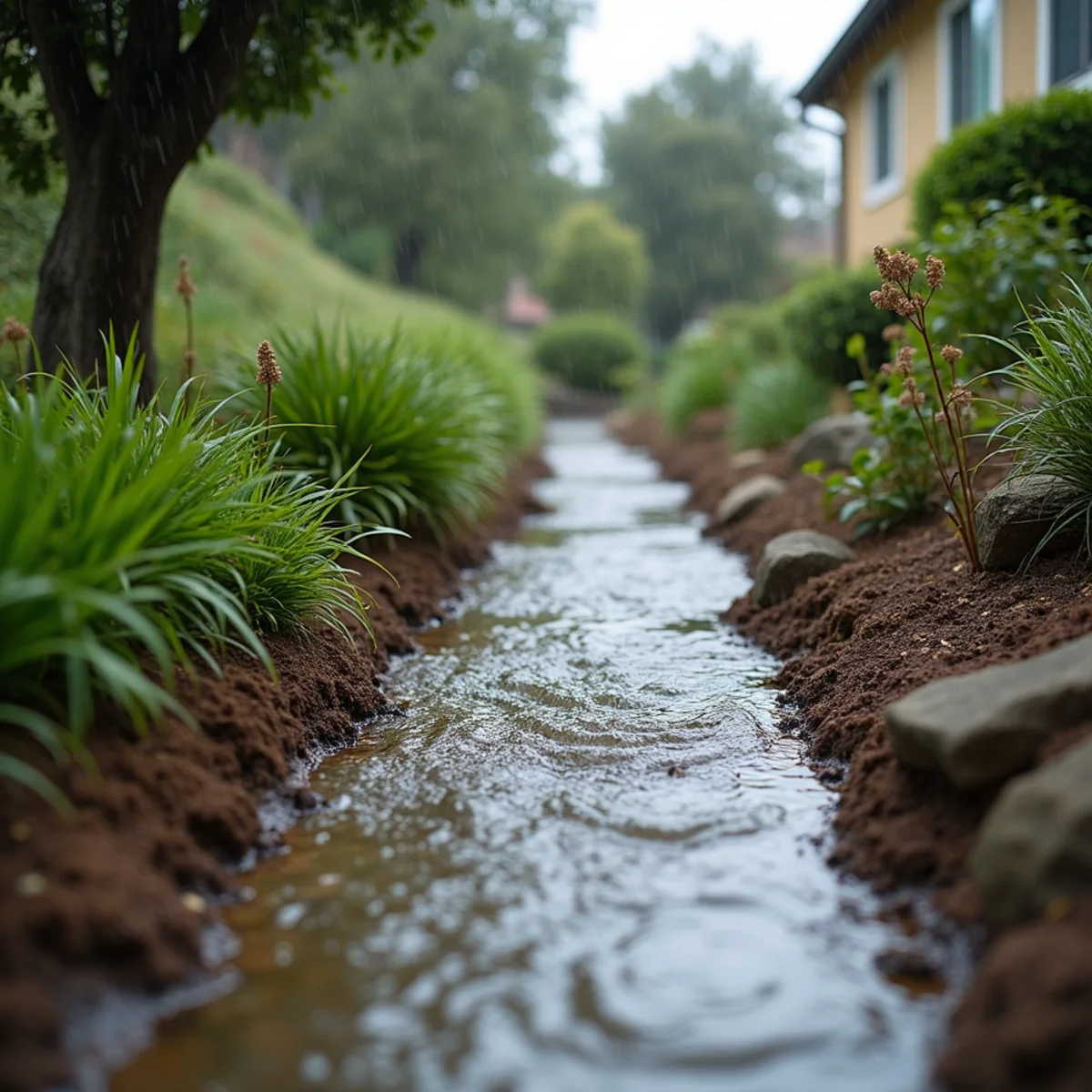
A swale is a shallow, graded channel designed to carry surface water around or away from the structure. They're easy to miss because they look like landscaping.
Check yours still holds its shape. Landscaping projects, new planting, mulch and general settlement all fill and flatten them. A swale that's been levelled is a swale that no longer works.
Retaining walls
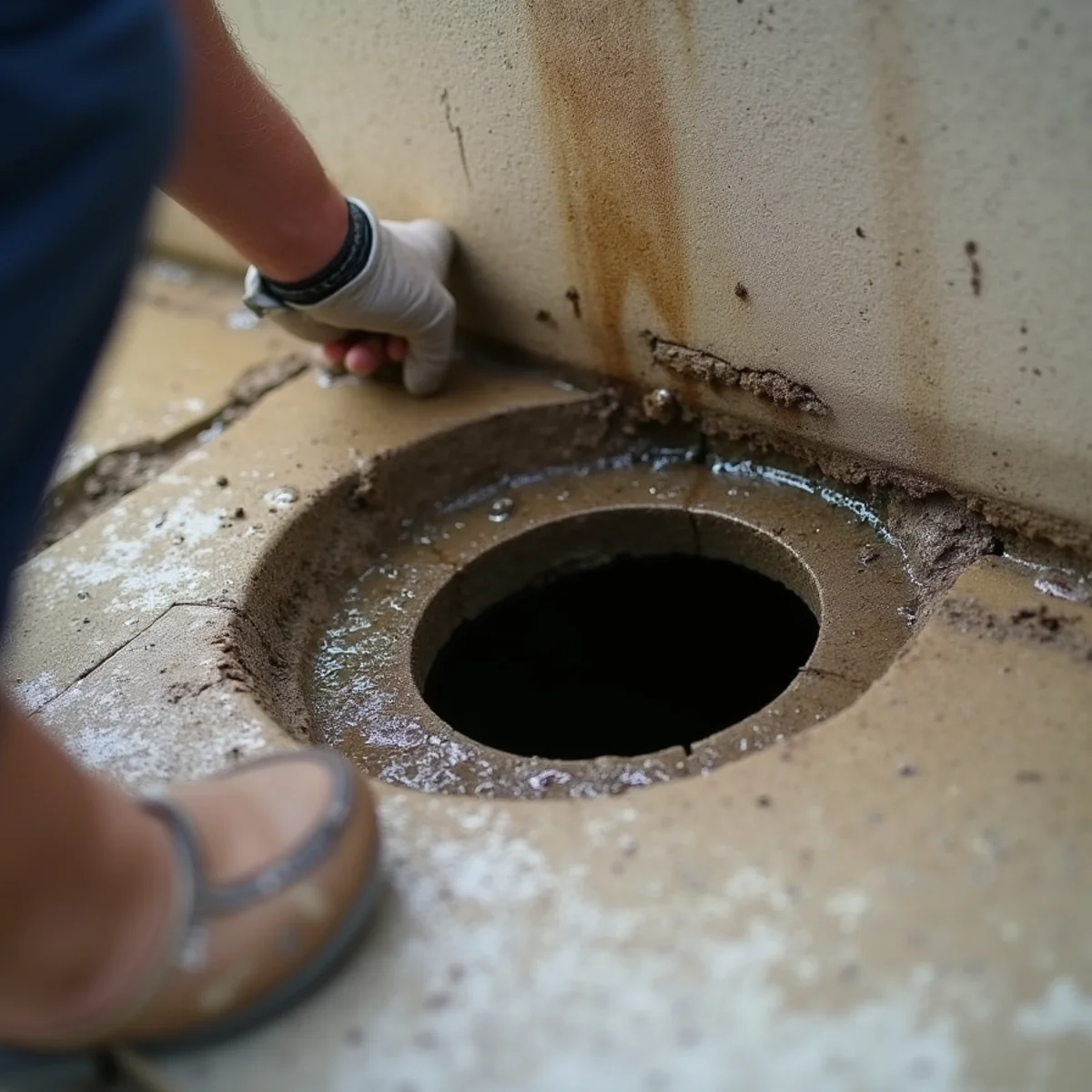
Weep holes relieve hydrostatic pressure behind a wall. When they plug, water builds up behind the wall — which is both a wall failure risk and a route for water to travel somewhere unintended.
Check every weep hole and clear it.
Look at the wall itself for new bulging, leaning or cracking, and for efflorescence (white mineral staining) which indicates water moving through the structure.
Check the subdrain outlet if the wall has one.
Hardscape
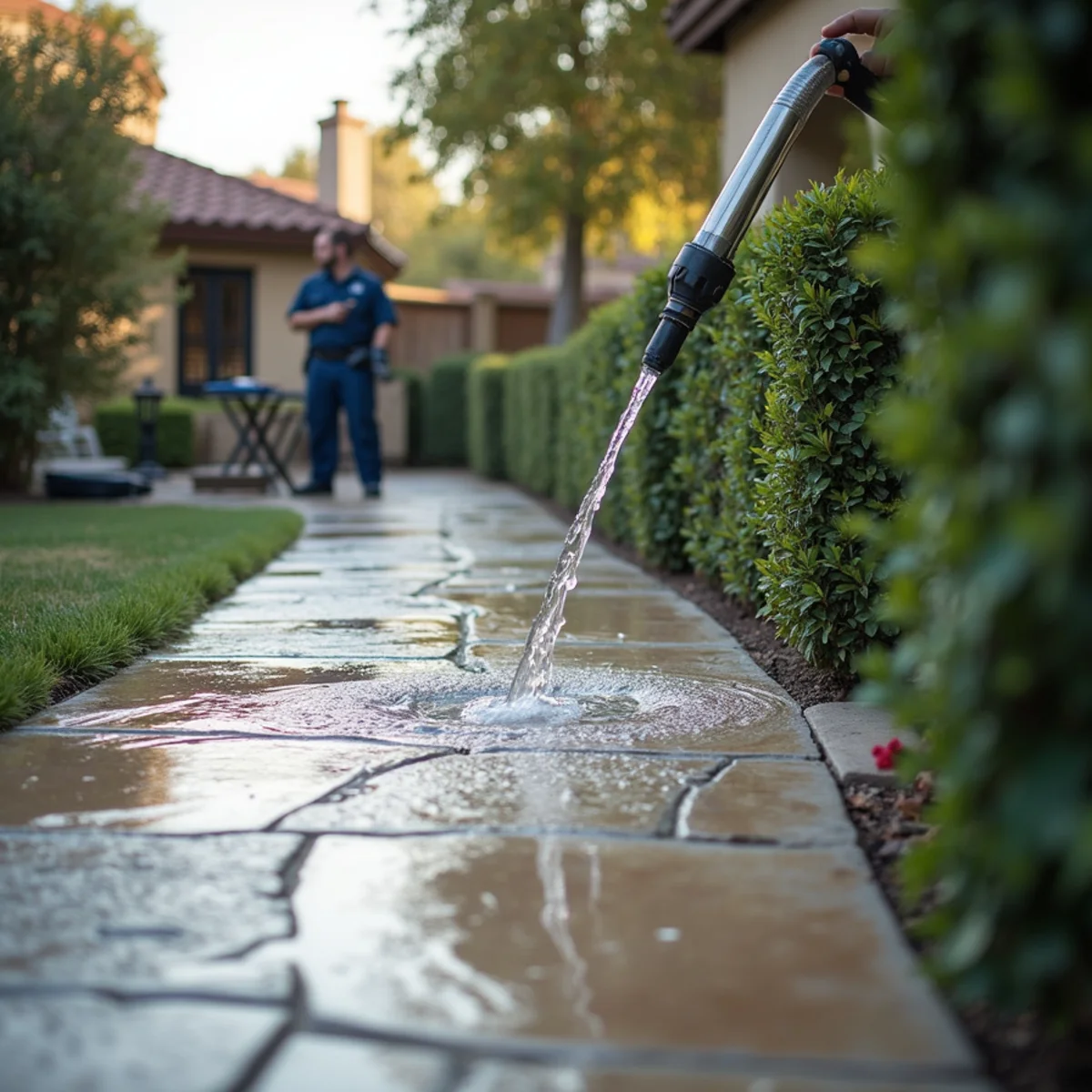
Think about what has changed since the house was built. A new patio, an extended driveway, a paved side yard — each redirects sheet flow, usually without anyone intending it.
Stand on the uphill side during a hose test and watch where water actually goes.
Crawl space vents and low openings
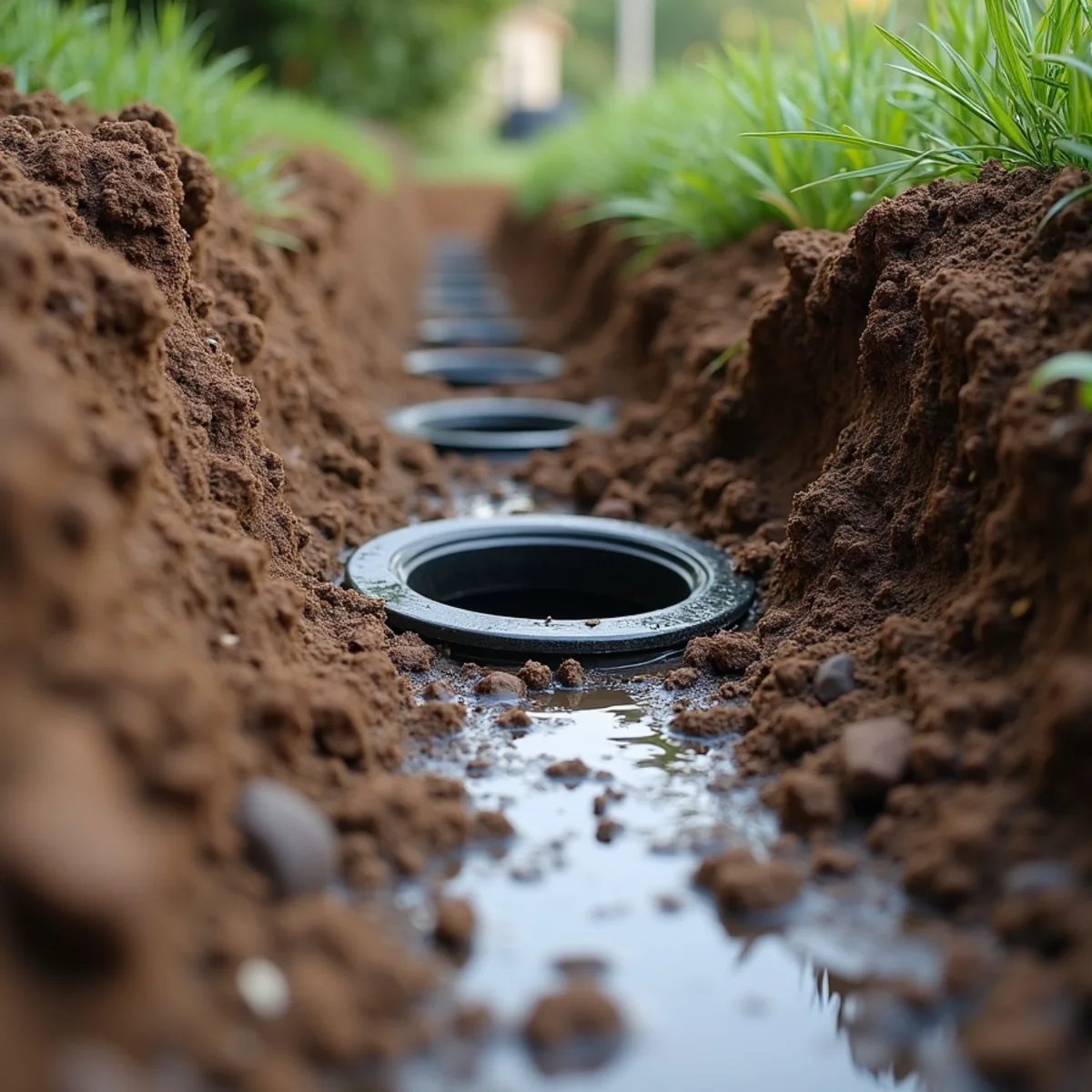
Identify your low openings: garage threshold, sliders, lower-level doors, crawl space vents.
Check thresholds and weatherstripping. Note which would be first if water pooled.
Vents on the uphill side of a crawl space are a common entry point on hillside lots.
Post-fire: the different checklist
If there's been a fire on the slope above you, the standard checklist isn't sufficient.
Burned slopes shed dramatically more water and carry rock, ash and debris. That elevated condition persists for years while vegetation re-establishes.
Add: sandbags bought and stored in advance; a plan for deflecting flow away from vulnerable openings; and a conversation with your insurance agent about flood coverage, well ahead of the NFIP 30-day waiting period.
Doing the hose test properly
The whole checklist collapses into one exercise: run a hose and watch.
Start at the roof — into a gutter, follow it to the downspout, watch where it lands, follow it across the ground. Then flood the uphill side and watch where sheet flow goes.
You'll find the failures in fifteen minutes, and you'll find them in daylight rather than at 11 p.m. in December.
When to hire it out, and what to ask for
Plenty of this list is a Saturday with a ladder and a hose. Some of it is not, and it is worth being clear about which is which.
Worth hiring out: two-story gutters, anything requiring roof access, area drains and yard drains that need rodding rather than rinsing, subsurface drain lines that have never been located, and any wall drainage that is not obviously working.
When you book it, ask specifically for what you want done rather than for "gutter cleaning", because the two are quite different scopes:
- Gutters cleared and flushed, with the downspouts run through to confirm flow rather than just emptied of leaves.
- Every underground drain line rodded and water-tested to daylight — you want to see where each one actually discharges.
- Retaining wall weep holes cleared and confirmed running.
- A written note of anything found: a disconnected downspout, a crushed drain line, a discharge point that has been buried by landscaping.
That last item is the one that makes the visit worth the money. Finding a severed drain line in October is a small repair; discovering it in February is a wet lower level.
Where it matters most
Terraced hillside lots in Deer Creek, Haven View Estates, North Upland, San Antonio Heights, Chino Hills and Grand Terrace.
Foothill properties below open slope — North Etiwanda, Etiwanda, upper Alta Loma.
And anywhere with a below-grade room or a garage that steps down.
Water already getting in? +1 (201) 277-9344.
FAQ
Questions people also ask
How far should a downspout discharge from the house?
At least several feet, and further on a slope where the water will run back toward the house if the grade sends it there. It's the single highest-return item on any pre-season drainage checklist, and extensions cost a few dollars each.
How do I know if my yard drains still work?
Run a hose into each one and confirm water emerges at the outlet. That also means finding the outlets, which a lot of homeowners have never located. Eight dry months fills drains with leaves and sediment, and a blocked outlet backs up the whole system.
What are retaining wall weep holes and why do they matter?
They're the small openings at the base of a retaining wall that relieve water pressure building up behind it. Blocked, that pressure builds — which risks the wall itself and pushes water to find another route, often toward your house. Clearing them is a five-minute job that's easy to overlook entirely.
When is this worth hiring out, and what should I ask for?
Hire out anything needing roof access, two-story gutters, underground drain lines that need rodding rather than rinsing, and wall drainage that is not obviously working. Ask specifically for gutters cleared and flushed with downspouts run through to confirm flow, every underground line rodded and water-tested to daylight, weep holes cleared and confirmed running, and a written note of anything found — a severed drain line, a discharge point buried by landscaping.
Services mentioned
- Storm Damage CleanupEmergency tarping, water extraction and full interior restoration after Santa Ana winds and winter atmospheric rivers.
- Basement & Crawl SpaceBelow-grade water is out of sight and easy to ignore — until the whole house smells. We pump, sanitize and dry it properly.
- Flood CleanupStorm and runoff flooding brings contaminated water. We pump, strip, sanitize and dry — then document it for your carrier.
Keep reading
Prevention & Maintenance
Smart Water Sensors and Automatic Shut-Off Valves: Are They Worth It for Your Home?
One is twenty dollars and tells you. The other is a plumber visit and acts. Here's who needs which.
5 min read
Prevention & Maintenance
When to Replace Washing Machine Hoses, Water Heaters, and Supply Lines (The Ages That Matter)
A table of ages, and the honest advice on which to replace proactively and which to run to failure.
5 min read
Prevention & Maintenance
The 10-Minute Monthly Leak Inspection: Everywhere Water Hides in Your Home
Under every sink, behind every toilet, around the water heater. The slow leaks are the expensive ones, and they're all findable.
6 min read