
Prevention & Maintenance
Winter Storm Prep Checklist for Inland Empire Homes (Do These Before the November Rains)

Dealing with this right now? We answer 24/7 and dispatch across Rancho Cucamonga in 60 minutes.
+1 (201) 277-9344Almost every storm-season call we take could have been prevented by an hour of work in October. Here's that hour, in order of return.
If you only do the first four items, you will have covered most of the risk: downspouts discharging well clear of the foundation, grading that falls away from the house, yard drains flushed and flowing, and retaining wall weep holes cleared. Everything after that is refinement.
1. Downspouts (highest return, lowest effort)
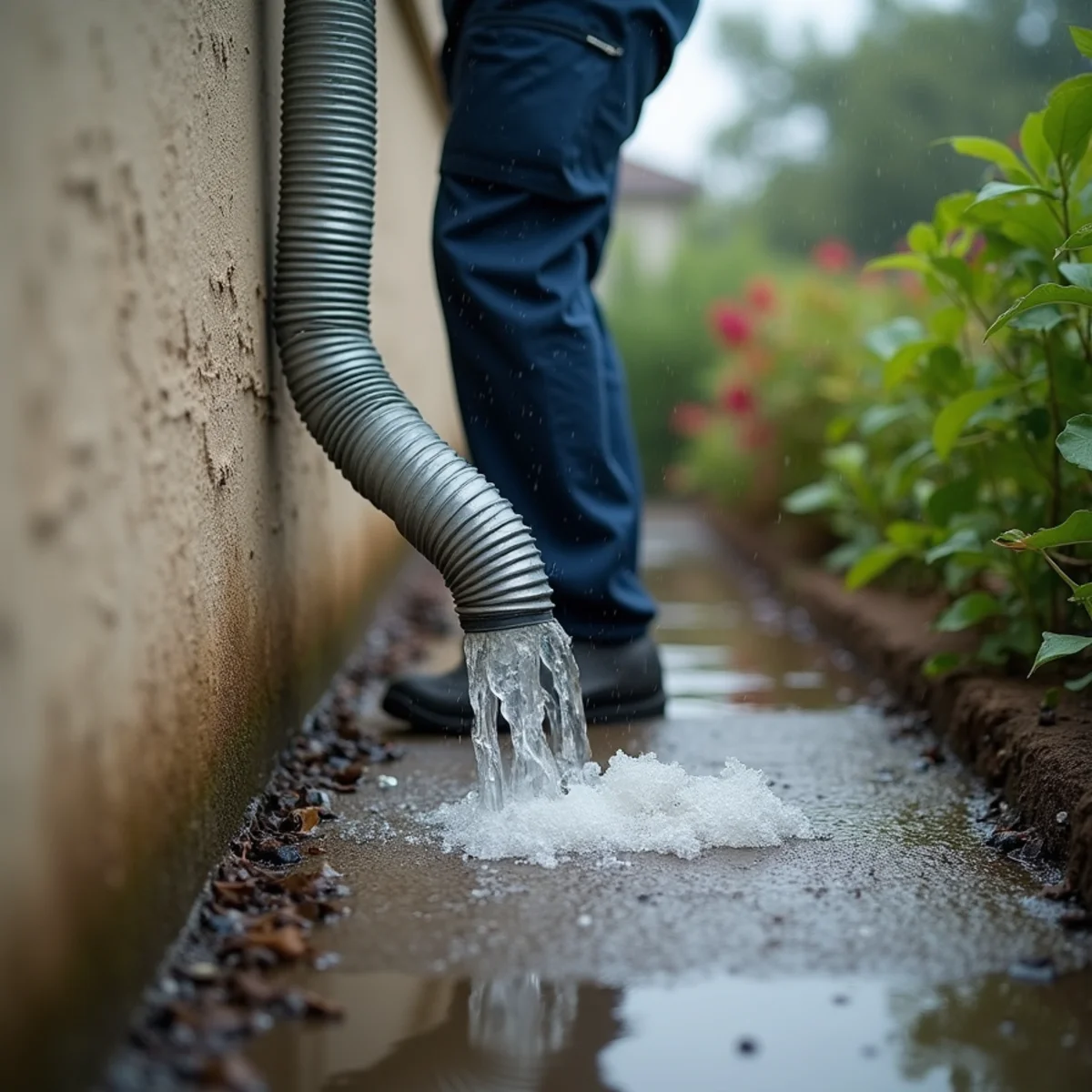
A roof concentrates an enormous volume of rainfall into a handful of discharge points. If those points sit beside your foundation, you've aimed your entire roof at your wall.
Do this: clear the gutters, then confirm every downspout discharges at least several feet clear of the foundation — further on a slope. Add extensions where they don't. They cost a few dollars each.
Test it: run a hose into each gutter and confirm water actually comes out the bottom and lands where you think it does.
2. Grading

Builders establish ground that falls away from the house. Twenty years of settlement, landscaping, planters and hardscape flattens or reverses it.
Do this: walk all four sides and look. Does the ground still slope away? Watch for raised beds built against the wall, new patios, driveway extensions and planters that trap water.
3. Yard drains, area drains and swales

Eight dry months fills them with leaves and sediment. They then don't work on the one night they're needed.
Do this: flush every drain with a hose and confirm flow. Clear swales and check they still hold their shape.
4. Retaining wall weep holes

On any terraced or hillside lot, weep holes relieve hydrostatic pressure behind the wall. Blocked, that pressure builds and water finds another path — often through, or around, the wall.
Do this: check every weep hole and clear it.
5. The roof — from the ground and the attic

Not from a ladder. Post-storm and pre-storm roof falls are a real hazard, and walking on concrete tile cracks more of it.
From the ground with binoculars: tiles out of alignment or cracked, displaced ridge caps, lifted or bent flashing at wall and chimney transitions, debris sitting on the roof.
In the attic with a flashlight: daylight visible anywhere, dark staining on rafters or the underside of the sheathing, damp or compressed insulation, water marks on the tops of ceiling joists.
If anything looks off, book a roofer in November — before the first storm, and before every roofer in the valley is booked.
This matters most after a significant Santa Ana event. Wind lifts tile and bends flashing in October without leaking, because it doesn't rain in October.
6. Low openings
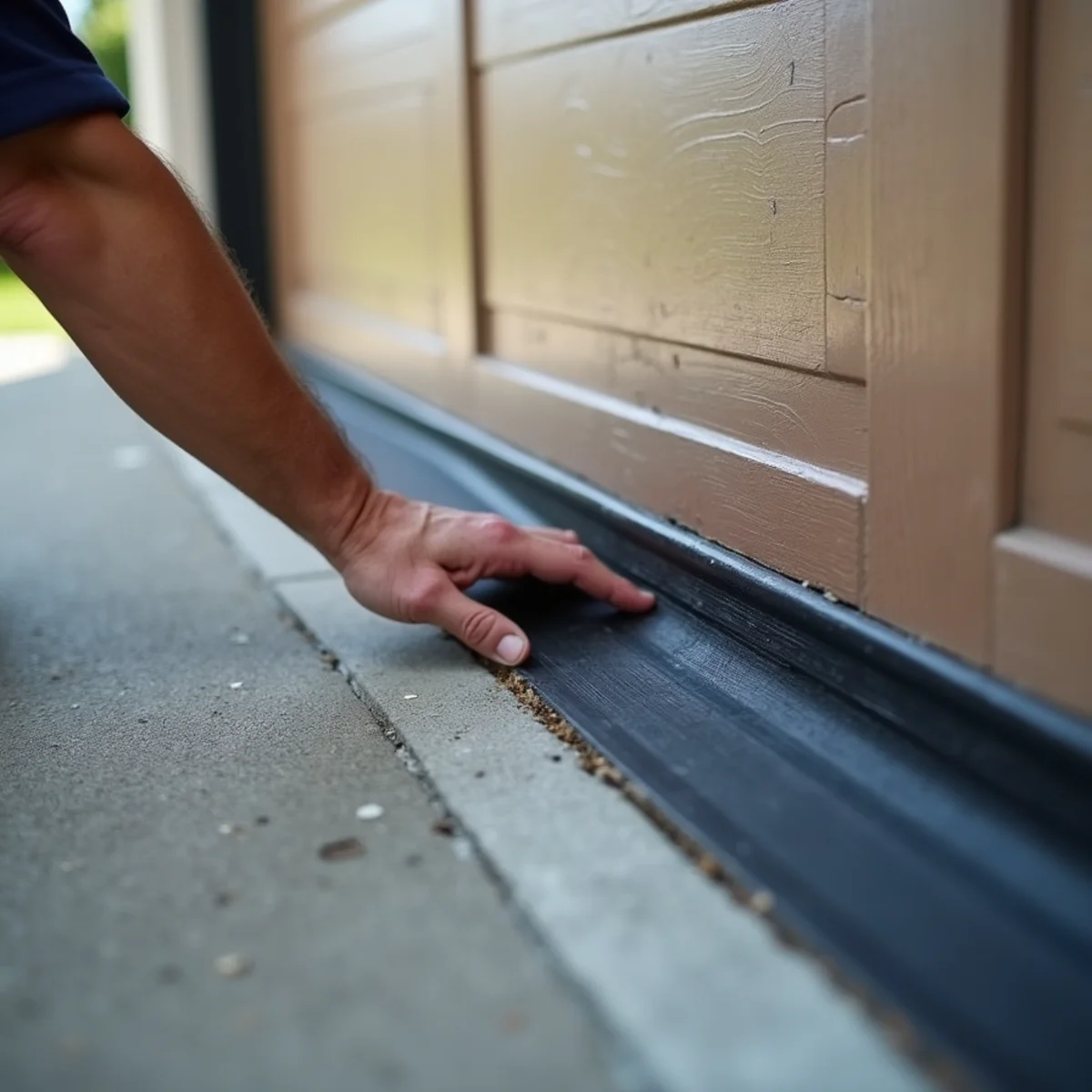
Water enters at the lowest opening, not through windows and not through the roof.
Do this: identify yours — garage threshold, sliders, lower-level doors, crawl space vents. Check thresholds and weatherstripping, and note which ones would be first if water pooled.
7. Crawl space and sub-area

If you have one, look in it. Standing water, damp soil, sagging insulation and a torn vapor barrier all mean water has been getting in — and a wet crawl space keeps the floor above damp and the house smelling all winter.
8. Sandbags, if you need them
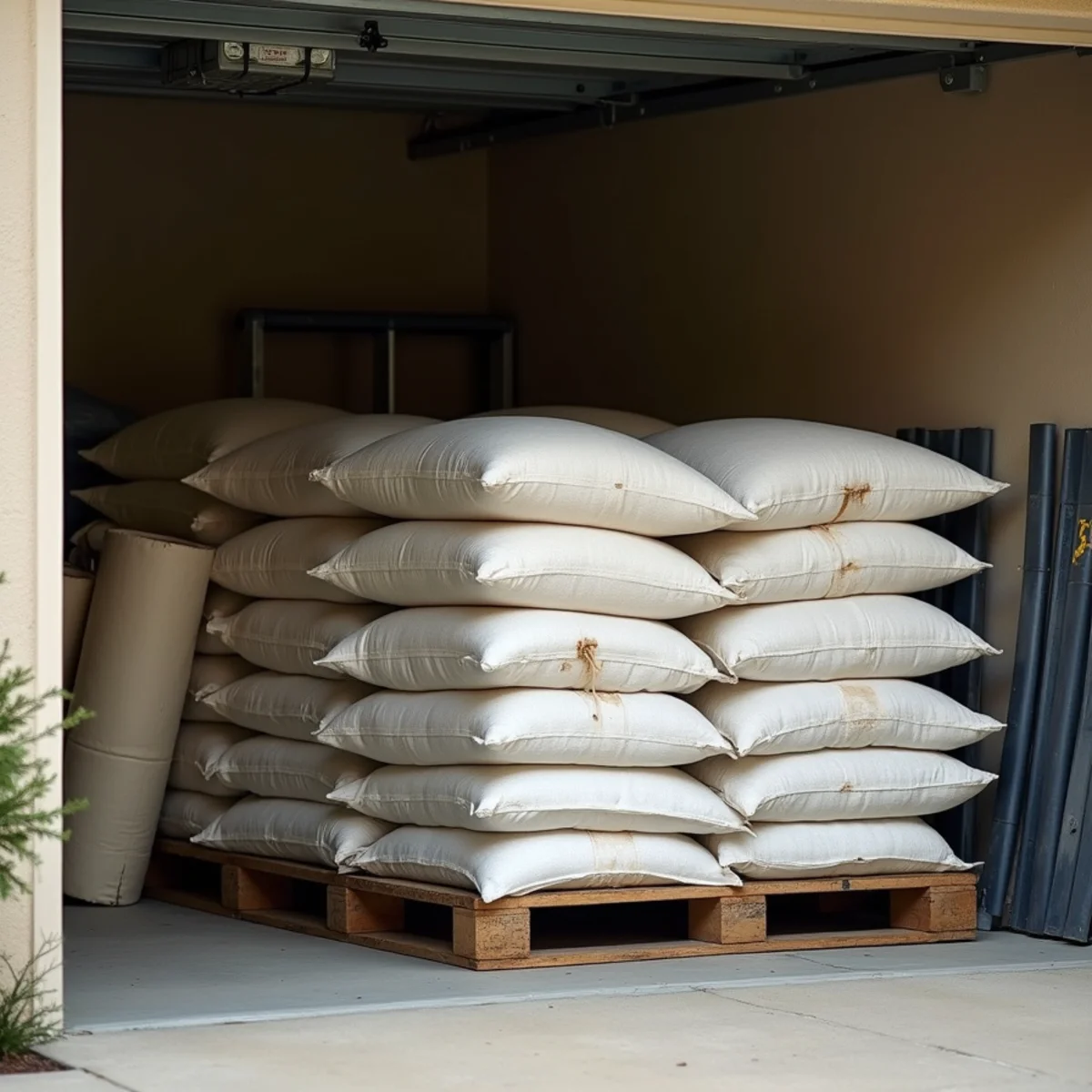
If you're below a burn scar, near a wash or in a known low spot, buy them now and store them. Ordering when a storm is forecast is how people end up without them.
Post-fire slopes behave completely differently, and that elevated risk lasts years rather than one season.
9. Interior checks while you're at it

- Water heater: manufacture date on the label. Past ten years, plan the replacement.
- Supply lines: braided stainless under every sink and toilet, and on the washer. Replace anything original.
- Hose bibs: disconnect the hoses and fit foam covers. Freeze nights happen at foothill elevations.
- Main shut-off: find it, turn it, confirm it works, label it, tell your household.
10. Insurance, before the waiting period matters

Standard California homeowners policies exclude surface water flooding entirely. Runoff into your home is a flood by definition, and NFIP policies carry a 30-day waiting period.
So the useful time to call your agent is September or October, not during a December storm. Ask two questions: am I exposed to surface runoff here, and what would flood coverage cost?
Also worth checking: whether you carry a water backup endorsement for sewer and drain backup, which is separately excluded and inexpensive to add.
When a storm is actually forecast
- Move vehicles and valuables out of low garages and lower levels
- Deploy sandbags at known entry points
- Re-clear gutters if it's been windy
- Charge devices and know where your shut-off is
- Don't drive through flowing water. A foot of moving water on a local street is enough, and it's the leading cause of flood deaths
The short version, if you have one afternoon
Ten items is the thorough list. If realistically you are going to do this once, in a hurry, on a Saturday in October, do these four and you will have covered most of the risk:
1. Downspouts. Every one of them discharging at least four to six feet clear of the foundation. This is the highest-return item on the entire list and it costs the price of a few extensions.
2. Yard drains and area drains. Lift the grates, pull out eight months of leaves and dirt, then run a hose into each one and confirm water actually goes somewhere. A drain that ponds is not a drain.
3. The grade beside the house. Walk the perimeter looking for anywhere soil has settled and now falls toward the wall instead of away from it. A bag of soil fixes most of it.
4. Retaining wall weep holes. Find them, clear them, confirm they run. A blocked weep hole puts hydrostatic pressure behind a wall and sends the water somewhere else — usually a lower level.
If you rent, items two and four belong to your landlord, but reporting a blocked drain in October is far more effective than reporting a flooded room in February.
Where it matters most
The foothill communities — North Etiwanda, Deer Creek, Etiwanda, upper Alta Loma — where slopes are steeper and burn scars are closer. Hillside neighborhoods anywhere. Low-lying flat lots where water pools. And the northern parts of San Bernardino and Highland below the canyon drainages.
Storm damage now? +1 (201) 277-9344, 24/7.
FAQ
Questions people also ask
When should I do all this?
October, before the first significant storm. That timing matters twice: drainage has eight months of debris in it by then, and Santa Ana wind season has already been working on your roof since early autumn without causing an obvious leak.
What's the one thing I should do if I only do one?
Extend your downspouts so they discharge well clear of the foundation. A roof concentrates an enormous volume of rainfall into a few points, and if those points are beside your wall you've directed the whole roof at your foundation. Extensions cost a few dollars each.
Do I need flood insurance if I'm not in a flood zone?
Possibly. Being outside a FEMA high-risk zone means cheaper preferred-risk coverage, not an absence of risk — a large share of flood claims come from outside mapped zones. If you're below a burn scar, near a wash, downhill of hardscape or have a below-grade room, price it. The 30-day waiting period means asking in September, not December.
What if I rent — which parts are mine?
The interior checks and the insurance one are yours: know where the main shut-off is, keep belongings off garage and lower-level floors, and carry renters insurance, because the landlord's policy covers the building and never your belongings. Gutters, grading, yard drains and retaining wall weep holes belong to your landlord — and reporting a blocked drain in October is far more effective than reporting a flooded room in February.
Services mentioned
- Storm Damage CleanupEmergency tarping, water extraction and full interior restoration after Santa Ana winds and winter atmospheric rivers.
- Flood CleanupStorm and runoff flooding brings contaminated water. We pump, strip, sanitize and dry — then document it for your carrier.
- Roof Leak DamageWind lifts the tile in October, the December storm finds the gap. We tarp, strip wet insulation and dry the structure.
Keep reading

Prevention & Maintenance
Smart Water Sensors and Automatic Shut-Off Valves: Are They Worth It for Your Home?
One is twenty dollars and tells you. The other is a plumber visit and acts. Here's who needs which.
5 min read

Prevention & Maintenance
Gutters, Downspouts, and Yard Drainage: A Pre-Rainy-Season Checklist for Foothill Homes
Hillside water has momentum and a direction. Here's how to make sure yours goes somewhere other than your foundation.
5 min read

Prevention & Maintenance
When to Replace Washing Machine Hoses, Water Heaters, and Supply Lines (The Ages That Matter)
A table of ages, and the honest advice on which to replace proactively and which to run to failure.
5 min read